
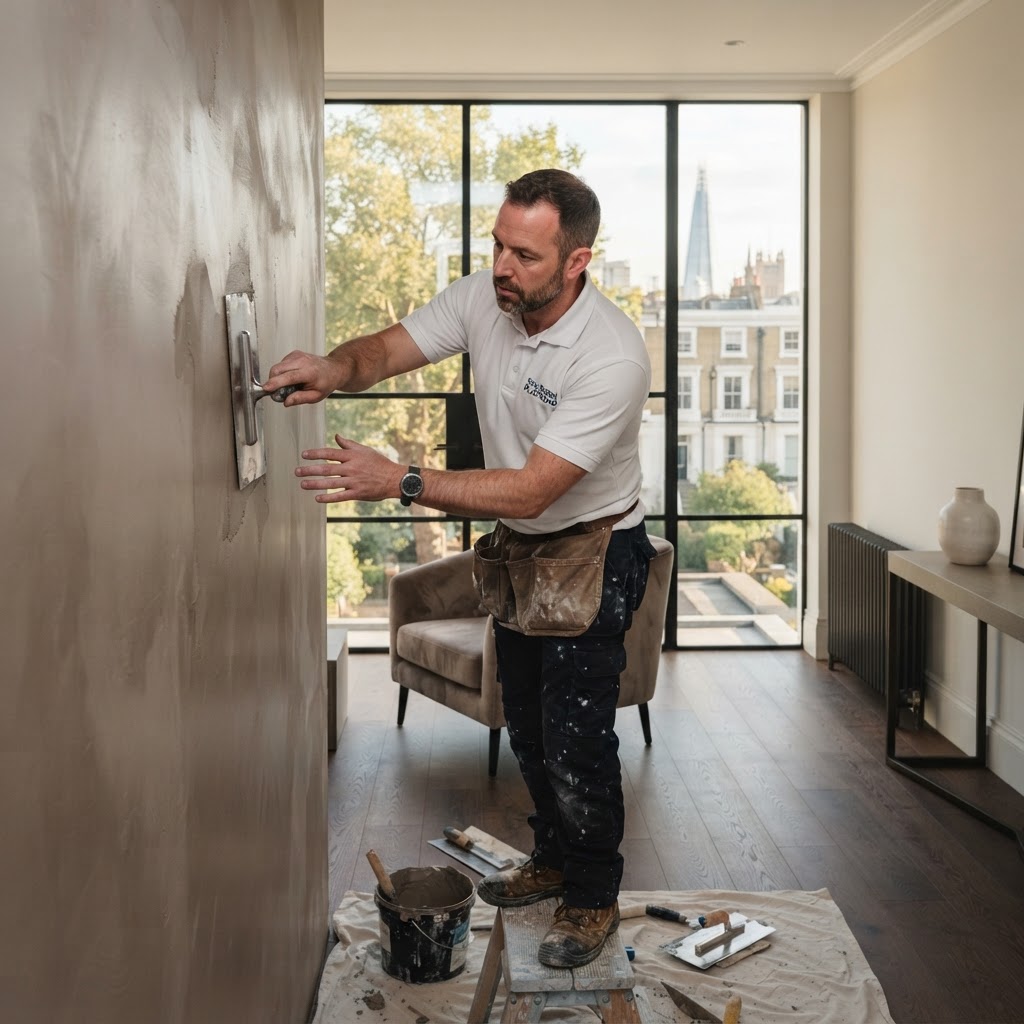
Skimming vs Plastering: A London Expert's Guide
Understanding the Fundamentals: Skimming vs Plastering
When you live in a city as historic as London, you quickly learn that the walls of a Victorian terrace in Islington or a modern apartment in Canary Wharf often tell different stories. At London Plastering Service, we frequently hear homeowners ask the same question: 'Do I need a full replaster or just a skim?' While the terms are often used interchangeably by laypeople, they represent distinct processes in the building trade. If you are looking for a reliable plasterer in London, understanding these differences will help you make an informed decision for your home renovation.
What is Plastering?
Plastering is the broad term for covering walls and ceilings with a protective, aesthetic layer of plaster. It is essentially the 'structural' finish. When we talk about plastering, we are usually referring to applying a backing coat of base plaster (like sand and cement or bonding plaster) to bare masonry or a new stud wall. This is a multi-layered process designed to create a solid, durable foundation. In older boroughs like Camden or Kensington, where brick walls may be uneven or damp-damaged, a full plastering job (often involving a damp-proof render base) is essential. If you are planning a full house replaster in London due to major cracks, historical subsidence, or loose plaster that sounds hollow when tapped, this is the service you need.
What is Skimming?
Skimming is a specific type of plastering—it is the 'finishing' process. Think of it as the top coat that gives your walls that perfect, glassy surface ready for painting or wallpapering. Skimming is performed over an existing, stable surface, such as old, pitted plaster or dry lining in London. When we perform Wall Skimming in London, we apply a thin layer of finishing plaster, typically around 2-3mm, to smooth out imperfections. This is common in modern New Build developments in areas like Nine Elms or Greenwich, where the underlying plasterboard might be sound, but the decorative finish requires a high-quality aesthetic upgrade.
Key Differences at a Glance
| Feature | Plastering (Full) | Skimming | | :--- | :--- | :--- | | Purpose | Building a new surface | Finishing an existing surface | | Thickness | 10mm - 20mm+ | 2mm - 3mm | | Application | Multiple coats (Base + Finish) | Single or double skim coat | | Best for | Damaged walls, new builds | Refreshing old walls, cosmetic touch-ups |
When Do You Need Which?
If you have recently moved into a property in areas like Chelsea or Hackney and find the plaster is crumbling, bubbling, or has large chunks falling off, simple skimming won't work. The surface is compromised. In these cases, you need to strip back to the brick or lath and start fresh with a backing coat. Conversely, if your walls are structurally sound but look dated—perhaps you are tired of old Artex or want to remove woodchip wallpaper—Artex covering in London combined with a skim is the ideal solution. For Victorian properties in Clapham or Dulwich, we often encounter 'blown' plaster where the bond to the brickwork has failed; in such cases, patching is insufficient, and a full area re-render is mandated by professional standards.
2026 London Pricing Guide
London pricing varies based on material costs, local parking restrictions, and the size of your property. Transparency is key to our business model, so check out our plastering prices in London for a more detailed breakdown, but here are the average 2026 figures:
- Wall Skimming: Prices typically range from £300 to £500 per room, depending on wall height and complexity. In high-cost areas like Mayfair or Westminster, expect a 10-15% premium due to congestion charge logistics.
- Full Replastering: A full bedroom re-plaster usually costs between £800 and £1,400. This includes materials like bonding plaster, finish plaster, and PVA bonding agents. You can estimate your specific plastering cost in London by calculating the total square meterage of your wall space and adding 15% for waste and disposal.
- Emergency Repairs: For emergency plaster repair in London, costs can vary based on urgency. Emergency call-outs often attract a base fee of £150-£200 before labour and materials are even added.
- Ceiling Work: Due to the difficulty of overhead application, ceilings often cost 25% more than standard wall surfaces.
Expert Insights: Why Preparation Matters
No plaster finish is better than the substrate it rests upon. In London's humid climate, moisture is the enemy. Before any skimming project in basement levels (common in South Kensington), we perform moisture readings. If the wall is damp, we apply a damp-proof membrane before plastering. Applying gypsum plaster to a damp brick wall will lead to salt efflorescence—that white, chalky powder that ruins your new paint job within months. Our professional advice is always to address the underlying moisture issue before opting for the cosmetic skim.
Frequently Asked Questions (FAQ)
Can I skim over wallpaper?
Never. Skimming over wallpaper is a common 'cowboy' mistake. The plaster will not bond properly, and the moisture from the wet plaster will cause the paper to swell, bubble, and rot, leading to total failure of the finish. Always strip walls back to the plaster or board.
How long does plaster take to dry?
In our London climate, a skim coat usually dries in 24 to 48 hours. However, a full plastering job involving a 10mm-15mm backing coat can take 7 to 10 days to fully cure. Do not crank up your heating, as rapid drying causes the plaster to crack.
Does ceiling repair differ from wall repair?
Yes. Ceilings are harder to work on and often require ceiling plaster repair in London involving specialized bonding agents or board replacements to prevent sagging or ceiling collapse in older period homes.
Can I paint immediately after plastering?
No. You must wait for the plaster to turn a uniform, light salmon-pink color, signaling that it has 'sucked' the moisture out. Painting too early traps moisture behind the paint film, leading to peeling or 'blistering' later on.
How does the plastering process differ for Victorian vs modern homes?
Victorian properties often use lime-based plaster, which is breathable. We must use compatible materials, as modern cement-based plasters can trap moisture and cause masonry decay in period homes. Modern homes typically use gypsum boards, which are much faster to skim but offer less acoustic insulation.
What are 'plasterboard beads' and why do I need them?
Beads are metal or plastic strips applied to edges and corners (like window reveals or chimney breasts). They provide a straight, knock-resistant corner. Without these, your corners will look 'soft' and will chip easily over time. We install them as standard on all jobs.
Ready to Start Your Project?
Whether you need a quick skim to brighten up your living room or a complete house overhaul in Greater London, our team of expert craftsmen is ready to assist. Don't settle for subpar finishes—choose the trusted local specialists. Contact London Plastering Service today for a free consultation and project quote!
Related Plastering Guides & Services
Need Professional Plastering?
Get expert plastering services in London. Free quotes within 60 minutes.