
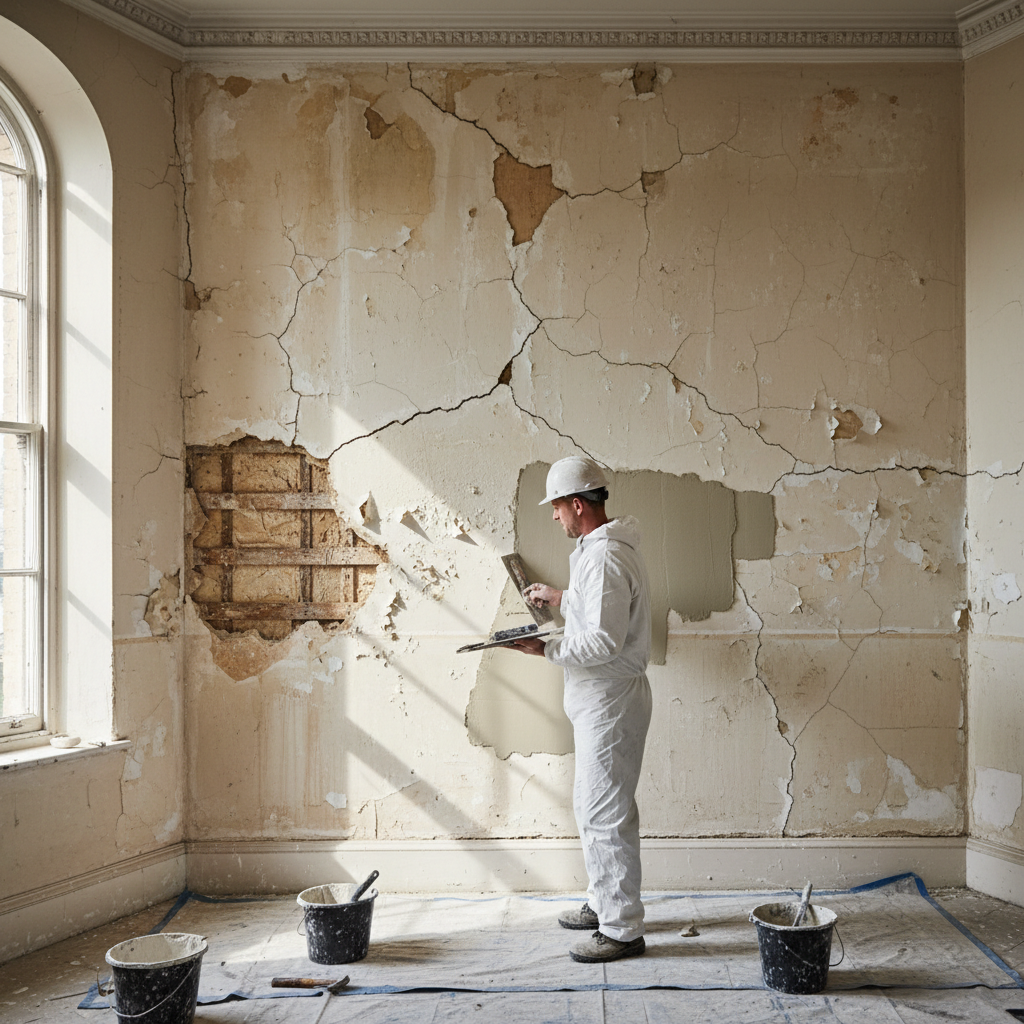
Signs Your Old House's Plaster Needs Replacement
How to Tell if Plaster Needs Replacing in Old House
Imagine moving into a charming Victorian home in Clapham, only to discover that beneath its beautiful façade lies plaster that’s crumbling like a Sandcastle at high tide. As a new homeowner, encountering issues with the plaster can be both daunting and frustrating. Surprisingly, many old London homes, built in the 18th and 19th centuries, still house unique plaster finishes that whisper of their rich history—but how do you know when it’s time to say goodbye to the old and embrace the new?
Understanding when plaster needs replacement can protect your home from serious structural damage and enhance its aesthetic appeal. Here, we’ll delve into the signs that your plaster may need replacing, actionable tips on assessment, and expert guidance from London Plastering Service.
Recognizing the Signs of Plaster Damage
Plaster is incredibly durable but, over time, various factors can cause it to deteriorate. Here are several signs to watch out for:
1. Cracks in the Plaster
Cracks can occur for several reasons, from settling in your home to sudden temperature shifts. Observe:
- Hairline cracks - Less than 1/8” wide, these often don’t indicate serious issues and may just need a cosmetic fix.
- Larger cracks - Cracks wider than 1/8” can indicate movement in the walls, requiring professional assessment.
- Diagonal cracks - Often suggest structural issues, especially if they extend across joints or seams.
2. Peeling or Bubbling Paint
If you notice your paint peeling away from the plaster in places, it could be a sign of moisture trapped underneath. This often happens when:
- The plaster is absorbing water from internal moisture or exterior leaks.
- The original plaster isn't breathable, causing paint to lift.
3. Dampness or Mold
Sagging plaster with mold spots could indicate water damage. Look for:
- Dark spots or stains on walls.
- A musty smell that lingers, which could signal hidden moisture problems, especially common in basements and kitchens.
4. Loose or Flaking Plaster
Feeling a bulge in the wall or noticing plaster chunks falling off? This is a sign that the bond between plaster and the lath has failed, often due to repeated humidity exposure or inadequate application.
5. Popping or Cracking Sounds
If you hear popping or cracking sounds when you poke or touch your plaster, it indicates movement within the structure, signaling deeper issues potentially affecting the framework of your home.
Practical Tips on Assessing Your Plaster
If you suspect your old house's plaster may need replacement, here’s how to assess its condition:
Step 1: Visual Inspection
- Walk through your home in Borough, checking for the above signs.
- Pay particular attention to corners, around windows, and where walls meet ceilings, as these areas are most likely to show wear.
Step 2: Tap Test
- Using a knuckle, gently tap the plaster. Solid sound? Good sign. Hollow sound? It could mean detachment from the lath.
Step 3: Moisture Meter
- Invest in a moisture meter (around £20-£50) to check the dampness levels, especially if you suspect leaks.
Step 4: Consultation
- Consider calling professionals like London Plastering Service for expert advice and a more thorough inspection. Early intervention can save you money in the long run.
DIY Repairs vs. Professional Help
While some small repairs can be DIY, larger issues usually require professional guidance. When deciding, consider:
- Skill Level: Do you have the tools and know-how to tackle significant repairs?
- Time: Will you be able to dedicate time without compromising quality?
- Cost: DIY may seem cheaper, but incorrectly done fixes can lead to increased costs elsewhere.
For comprehensive plaster repairs, consult with experts who provide services tailored to your needs. View our Gallery for stunning before-and-after results from our previous projects.
Pricing Expectations for Plaster Replacement
In London, the cost of replacing plaster can vary widely based on several factors:
- Area size: Small repairs may run as low as £150, while full re-plastering of larger rooms can range from £600 to £1,500 or more.
- Plaster type: Traditional lime plaster may cost more due to expertise required and time.
- Accessibility: Factors like scaffolding in high properties will increase costs.
Always get multiple quotes and check references before proceeding.
FAQ
Q1: How often should plaster be replaced?
A: There is no set timeframe, as it largely depends on the condition of your plaster and your home’s environmental factors. Regular inspections are key.
Q2: Can I repair plaster myself?
A: Yes, minor cracking and flaking can sometimes be repaired with a DIY approach, but for extensive damage or damp issues, professional assistance is recommended.
Q3: How do I find a reputable plasterer in London?
A: Look for local plasterers with good reviews and check platforms like PlasterersNearMe for verified professionals.
Q4: What materials should I use for plaster repairs?
A: Depending on your existing plaster, consider using a similar material (lime or gypsum) to maintain cohesion and compatibility.
Q5: Will replacing plaster improve my home's value?
A: Yes, well-maintained plaster can enhance the overall condition of your home, potentially increasing its market value.
Conclusion
Taking care of plaster in your old London home is vital for maintaining its charm and integrity. By keeping an eye out for the signs of damage and knowing when to call in professionals, you can ensure your home remains a safe and beautiful space. If you suspect your plaster is due for replacement, don’t wait—Contact London Plastering Service today for a consultation or quote!
Transform your historic gem into a project you can be proud of!
Remember, your home is only as strong as its foundation and surface—invest in it wisely!
Related Plastering Guides & Services
Need Professional Plastering?
Get expert plastering services in London. Free quotes within 60 minutes.