
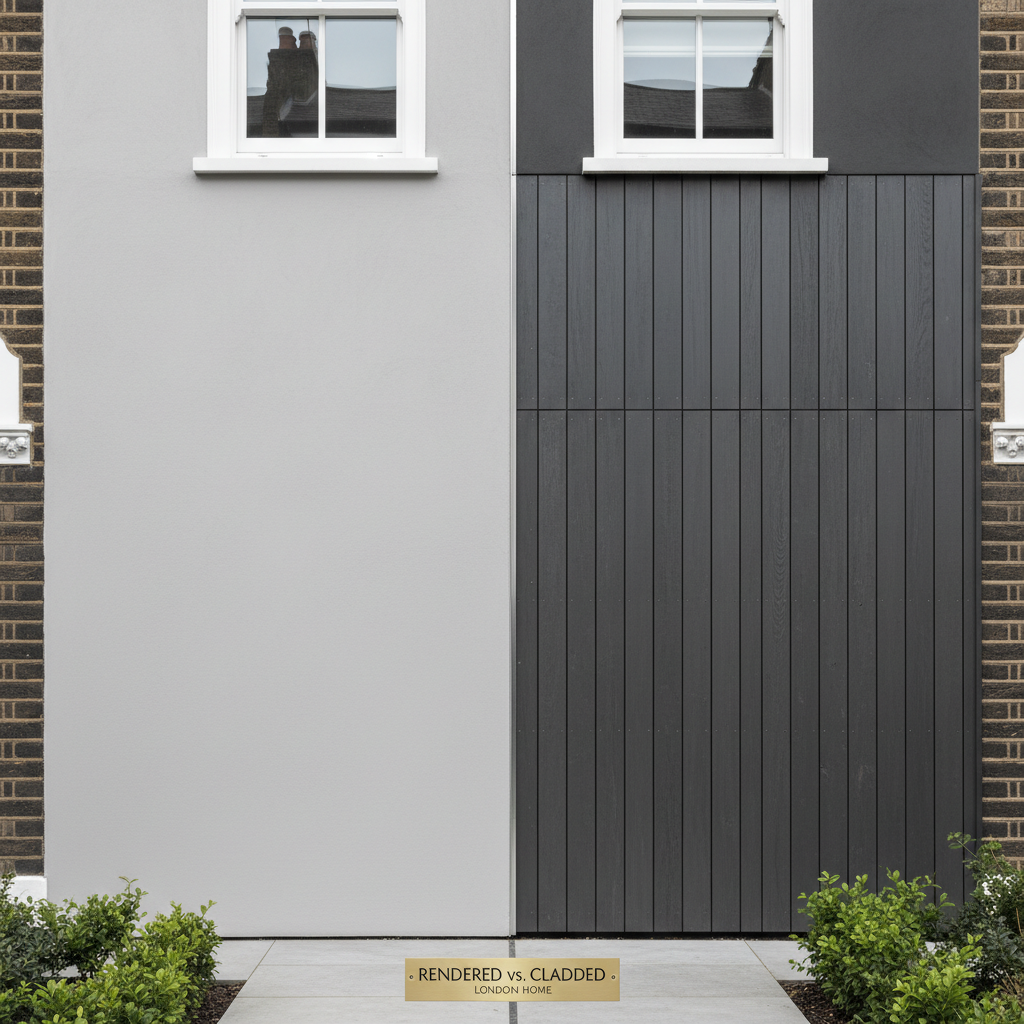
Rendering vs Cladding: Which is Best for Your Home?
Rendering vs Cladding: A Comprehensive Comparison for London Homeowners
Imagine you’ve just bought a charming Victorian terrace in Islington. The location is perfect, the neighbors are friendly, and the interior has just been beautifully refurbished. However, the exterior? It needs some serious work. Should you opt for rendering that offers a smooth, modern finish, or cladding that can give your home a rustic charm? Your choice can drastically change the aesthetics and performance of your property. In this post, we’ll dive deep into the rendering vs cladding debate, exploring their benefits, costs, and which might suit your London home best.
What is Rendering?
Rendering is the process of applying a mixture of sand, cement, and water to the exterior walls of a property, creating a smooth surface. It’s an effective way to protect your walls from weather damage, giving them a fresh appearance.
Benefits of Rendering
- Weather Protection: Rendering shields walls from rain and moisture, reducing the risk of problems like dampness and mold.
- Aesthetic Appeal: Available in various textures and colors, rendering can dramatically transform the look of your home.
- Low Maintenance: Once applied, rendered walls require minimal upkeep, simply needing a wash down occasionally.
Typical Costs of Rendering
In London, the cost of rendering can vary widely:
- Small Homes (up to 100 sq. m.): Approximately £3,000 to £5,000
- Medium Homes (100-200 sq. m.): Approximately £5,000 to £10,000
- Large Homes: £10,000 and above, depending on the specifics.
For a tailored estimate, contact us at London Plastering Service.
What is Cladding?
Cladding refers to the external material fixed to the outer surface of walls to provide a protective layer. This can include wood, UPVC, metal, or stone. Cladding does more than just enhance your home’s appearance; it also adds insulation and moisture resistance.
Benefits of Cladding
- Insulation: Cladding can provide additional thermal protection for your home, potentially lowering your heating bills.
- Durability: Many cladding materials are resistant to rot and weathering, offering long-lasting protection.
- Diverse Styles: From traditional wood finishes to contemporary metal panels, there's a cladding style for every home aesthetic.
Typical Costs of Cladding
Similarly, the costs for cladding can vary:
- Vinyl Cladding: Around £25-£35 per square meter
- Wood Cladding: Approximately £30-£60 per square meter
- Aluminium or Steel Cladding: About £50-£100 per square meter depending on style and installation requirements.
Key Differences Between Rendering and Cladding
Knowing the advantages and costs helps establish the right choice for your home, but let’s break down the key differences:
| Feature | Rendering | Cladding | |-------------------|------------------------------------|------------------------------------| | Installation Time | Generally quicker | Typically longer due to complexity | | Aesthetic Variety | Variety of textures/colors | Wide range of materials/styles | | Maintenance | Low (occasional washes) | Moderate (depending on material) | | Cost | Typically cheaper for smaller jobs| May vary significantly based on materials |
Practical Tips for Homeowners
Before embarking on your project, consider these actionable tips:
- Assess Your Home's Condition: Inspect your property—if walls are damp, rendering might provide a better seal. However, if you’re looking for insulation, cladding could be the way forward.
- Match Your Aesthetic: Look at other homes in your North London neighborhood. What styles do they have? This will help your home fit beautifully into the community code.
- Consult a Professional: Always seek advice from professionals to understand which option supports your home’s structure best. Our professional plastering team at London Plastering can guide you.
- Check Local Regulations: Depending on your borough, there might be rules regarding external decor and materials.
- Budgeting for the Project: Factor in costs for potential repairs and whether you will need scaffolding, which can add to the price.
FAQ
1. Is rendering suitable for all types of houses?
Yes, rendering can typically be applied to most types of residential properties in London, but it's essential to ensure that the walls are sound and free from major damage before application.
2. How long does rendering last?
Rendering generally lasts between 10-20 years, depending on the quality of materials used and maintenance practices.
3. Can I add cladding over existing rendering?
Yes, cladding can be installed over rendered surfaces, provided that the rendering is in good condition.
4. What climate conditions can affect rendering and cladding?
Both rendering and cladding can be impacted by extreme weather. Rendering might crack under very hot conditions or freeze during frigid winters, while cladding must be resistant to wind and moisture.
5. How do I maintain my rendered exterior?
Regular washing to remove dirt and grime, along with periodic inspections for cracks or damage, will maintain the integrity of your rendered walls.
Conclusion
Deciding between rendering and cladding for your home’s exterior is a significant choice that can affect aesthetics, longevity, and even energy efficiency. As a London homeowner, it’s essential to consider not only your personal taste but also the practical aspects like cost and maintenance.
Feeling overwhelmed? Don’t fret! Visit our gallery to view completed projects for inspiration. For tailored advice and services, contact London Plastering Service today. Let us help you make your house a home that stands out in your neighborhood!
Related Plastering Guides & Services
Need Professional Plastering?
Get expert plastering services in London. Free quotes within 60 minutes.