
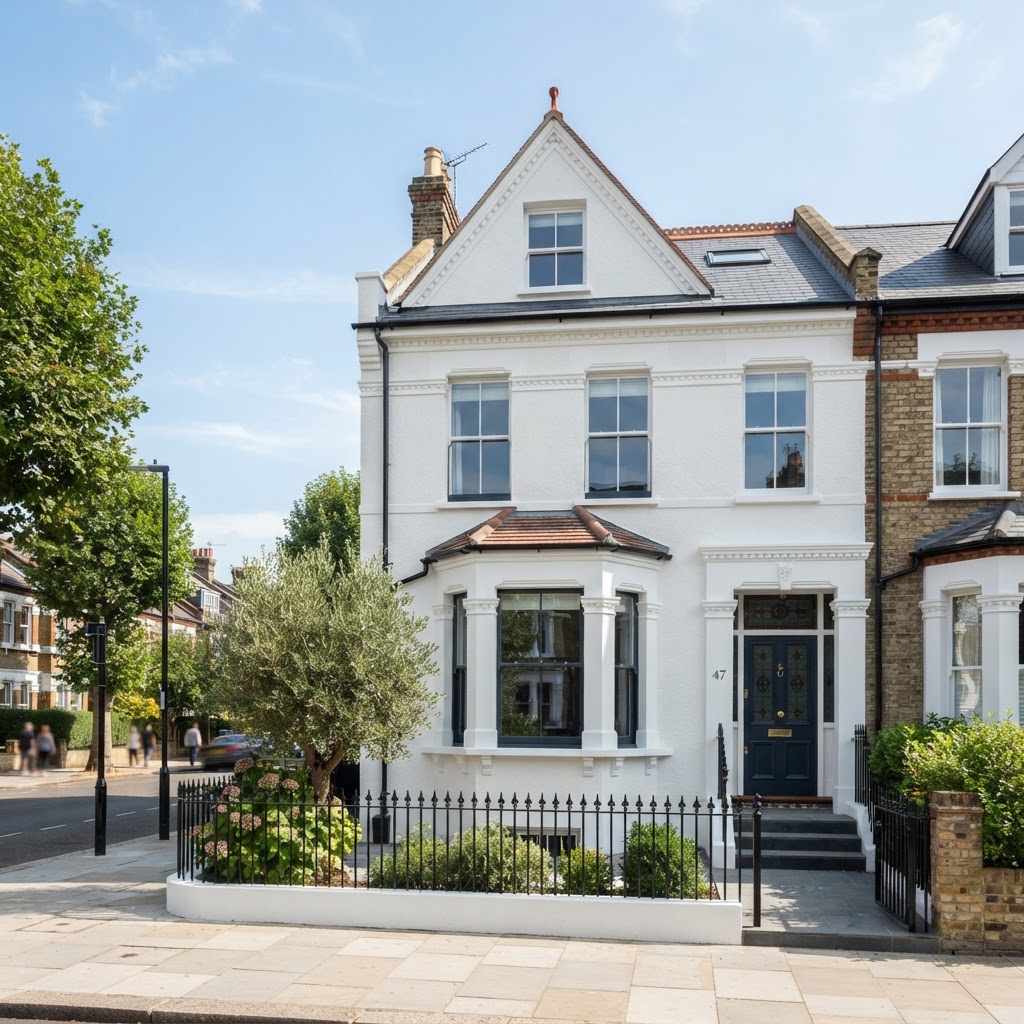
Rendering Cost Per Square Metre London 2026: Expert Guide
Rendering Cost Per Square Metre London 2026: Expert Guide
Understanding Rendering Costs in London for 2026
When planning a comprehensive exterior renovation in London, budget accuracy is paramount. Whether you are refurbishing a Victorian terrace in Islington or a modern semi-detached home in Richmond, understanding the nuances of rendering costs is the first step toward a high-quality finish. As of 2026, the cost of rendering in London reflects the rising demand for thermal efficiency, eco-friendly materials, and aesthetic longevity. Finding a reliable plasterer-london who specializes in external finishes is essential for protecting your property from the UK’s damp, unpredictable climate.
Average Rendering Price Breakdown per Square Metre
For 2026, market rates in London are heavily influenced by the complexity of urban logistics. Prices below reflect standard labour and material costs for a typical two-storey property:
- Sand and Cement Render: £65 - £85 per m². Ideal for period properties, this traditional mix remains a staple but carries high ongoing maintenance costs due to regular painting requirements.
- Monocouche (One-coat) Render: £80 - £105 per m². This pre-coloured, through-coloured mortar is highly favoured in London for its speed of application and breathable qualities.
- Silicone / Acrylic Render: £90 - £130 per m². The premium choice. It offers superior crack resistance, water repellency, and is "self-cleaning" when hit by rainfall.
- Insulated External Rendering (EWI): £150 - £220+ per m². This involves fixing insulation boards to the exterior before applying a reinforced base coat and decorative finish. The price variance depends heavily on the thickness of the insulation boards (e.g., 50mm vs 100mm).
These figures are base estimates. In boroughs like Kensington and Chelsea, where parking permits and restrictive site access are common, you should expect to add a 10-15% premium to these labour rates.
Deep Dive: Factors Influencing Your Rendering Quote
Rendering is rarely as simple as just "applying the mix." In a city as complex as London, several hidden variables dictate the final invoice.
1. The London Logistics Penalty
London is a logistical challenge. In areas like Camden or Hackney, where streets are narrow and congestion zones apply, simple tasks like material delivery and waste removal become expensive. If your contractor cannot park within 20 metres of your property, your quote will inevitably rise to cover the cost of additional labour hours and permit fees.
2. Scaffolding Requirements
For most properties in London, traditional ladders are no longer compliant for large-scale rendering. A full-house scaffold in a high-density area like Fulham can cost anywhere from £1,200 to £3,500 depending on the complexity of the building, the need for pavement licences, and the height of the walls. Always check if your council requires a license for scaffolding on public footpaths.
3. Surface Preparation
If your home has "blown" render or crumbling Victorian brickwork, the substrate must be stabilized. Repairing loose areas and applying a primer can add significantly to the scope. Expect an additional cost of £15–£25 per m² for extensive preparation work, such as deep cleaning or mechanical removal of failing layers.
4. Architectural Detailing
London homes are full of quirks. Features like decorative corbels, bay window reveals, lintels, and intricate cornicing require hand-finishing. These are not "flat wall" jobs. A simple square wall takes a fraction of the time compared to the meticulous cutting and finishing required around a Victorian sash window.
Types of Rendering Explained
Sand and Cement: The Traditional Route
Still preferred by conservation officers in areas like Hampstead or Dulwich. It is hard as rock but brittle. If the house settles, it will crack. It also requires painting with high-quality masonry paint every 3-5 years.
Monocouche: The Modern Standard
This is a "one-coat" system. Because it is through-coloured (the colour is baked into the mix at the factory), you never need to paint it. It is perfect for new-build projects in areas like Wandsworth, where modern, sleek lines are the standard.
External Wall Insulation (EWI): The Energy Saver
With energy performance certificates (EPC) becoming a crucial factor in London property values, EWI is no longer just a luxury. It reduces energy bills significantly by preventing heat loss. By adding 100mm of expanded polystyrene (EPS) or mineral wool, you effectively wrap your house in a thermal blanket.
Expert Advice for London Projects
Before you start, consult with your local borough council. If you live in a conservation area, you may be restricted to specific lime-based renders or traditional sand-and-cement finishes. Modern silicone systems, while superior, are often banned in historic districts because they do not "breathe" in the same way as traditional lime mortars.
If you are renovating, consider if the internal state of your walls matches your external ambitions. A beautifully rendered home might highlight existing issues like damp or plaster failure internally. Check our resources on Full House Replastering to ensure your property is renovated holistically.
Frequently Asked Questions (FAQ)
Q: Why is the price in London higher than the rest of the UK?
A: Aside from the obvious cost of living, London projects face "The Hidden Costs." These include ULEZ/Congestion charges for delivery vans, the cost of parking permits for contractors, and the high expense of insurance for working at height in crowded residential streets.
Q: Does the quote include scaffolding?
A: Typically, no. Unless your contractor provides a "turnkey" service, you will likely receive a price for rendering, while the scaffolding is billed directly to you from a third-party firm. Always clarify this in the contract.
Q: How long does professional rendering last?
A: A well-applied silicone system can last 20+ years before it requires a deep clean or minor patch repairs. Traditional sand/cement will last decades but requires painting every 3-5 years to prevent water penetration.
Q: Can I render in winter?
A: Rendering in London from November to March is a gamble. If temperatures drop below 5°C, the render will not cure correctly. If you absolutely must renovate in winter, your contractor will need to "tent" the scaffolding with heaters, which adds significant cost.
Q: Is there a cheaper alternative to full rendering?
A: If the underlying render is sound, you can hire a professional to perform a Doff steam clean, followed by a high-grade masonry paint application. This can be 40-50% cheaper than re-rendering.
Q: Does rendering increase the value of my London home?
A: Yes. Curb appeal is the biggest driver of property value in London. A fresh, clean, and insulated exterior can increase your home's market value by 5-10% and significantly improve your EPC rating, which is critical for future-proofing your investment against energy price hikes.
Q: How do I choose the right contractor?
A: Always ask for evidence of recent projects in your local postcode (e.g., SW1, N1, E8). A contractor who is familiar with the building materials common to your specific borough will avoid costly planning mistakes.
Call to Action
Don't let your property's exterior fall into disrepair. Whether you need an estimate for Dry Lining London or a comprehensive exterior render quote, the team at London Plastering Service is here to help. Contact us today for a professional consultation and a transparent, no-obligation quote for your 2026 project.
Related Plastering Guides & Services
Need Professional Plastering?
Get expert plastering services in London. Free quotes within 60 minutes.