
PVA Walls Before Plastering: Essential Guide for Homeowners
Do I Need to PVA Walls Before Plastering? Essential Guide for Homeowners
Have you ever watched a DIY renovation show and felt inspired to transform your tired walls into something fresh and elegant? You grab your tools, pick out the perfect paint, and then come across a perplexing question: Do I need to PVA walls before plastering? This is a question that many enthusiastic London homeowners face, and the answer can significantly influence the success of your project.
In a city like London, where homes boast varying age and condition, the preparation of walls for plastering can mean the difference between a flawless finish and a wall that requires more repairs. PVA (Polyvinyl Acetate) is a crucial part of this preparation, and understanding its purpose can help you achieve professional results even if you’re not a pro.
What is PVA and Why Use It?
PVA is essentially a type of glue commonly used in painting and plastering. Its primary functions include:
- Sealing porous surfaces: It prevents moisture absorption into your plaster, ensuring a better bond.
- Improving adhesion: By applying PVA, you create a tacky surface for the plaster, reducing the risk of slippage and promoting a strong hold.
- Preventing cracks: PVA can minimize the chances of cracks developing as the new plaster dries.
When to PVA Your Walls
Not all walls require PVA before plastering. Here are some scenarios:
- New plasterboard: Always PVA before applying plaster to ensure good adhesion.
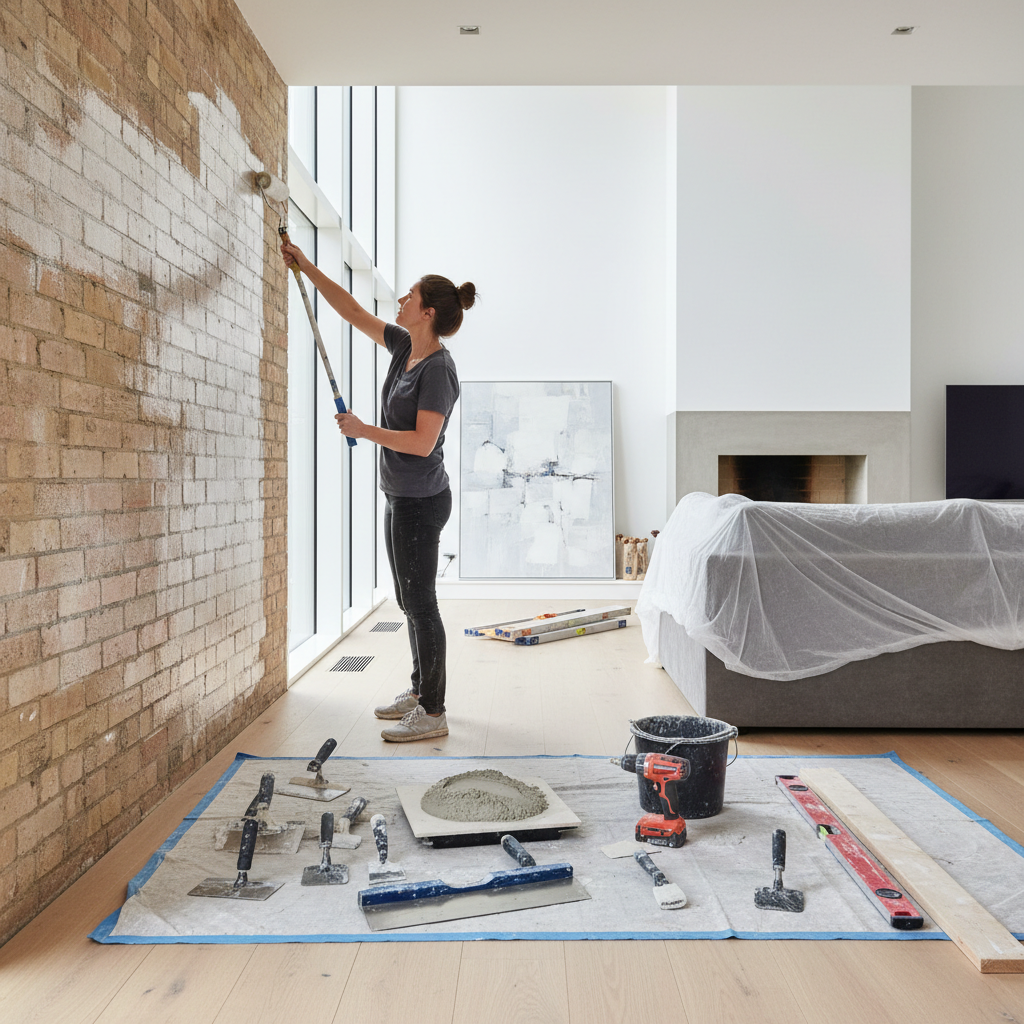
- Old, porous walls: If you're working on old brick or unsealed plaster, a layer of PVA can help.
- Painted surfaces: If the paint is glossy, consider using PVA to prepare the surface.
Steps to PVA Your Walls
- Clean the Walls: Ensure the walls are free of dust, grease, and old paint remnants.
- Dilute the PVA: Mix PVA with water (1 part PVA to 4 parts water) for best results.
- Apply the PVA: Use a brush or roller to cover the walls evenly. Allow it to become tacky but not fully dry before proceeding to plaster.
- Check for Finish: The wall should feel slightly sticky to the touch.
Practical Tips for Plastering in London
Considering London's unique architectural styles and the diverse conditions of its homes, here are some tailored tips:
- Assess Your Walls: Before deciding on PVA, examine the wall type. Victorian homes in Islington may have different needs than modern flats in Canary Wharf.
- Consider Temperature: London weather can be unpredictable. If it's too humid, allow proper ventilation and maybe consider delaying the project.
- Work with Professionals: If you're unsure, local plastering experts, such as London Plastering Service, can offer insights and assist with the plastering process.
- Invest Wisely: A good plastering job can start at approximately £20 per square meter in London, depending on the complexity of the job and the areas involved.
FAQ
1. Can I skip PVA if I'm using premixed plaster?
While premixed plaster may have additives that improve adhesion, using PVA is still recommended, especially for porous surfaces. It provides added insurance against failure.
2. What happens if I don’t PVA my walls?
Without PVA, you risk poor adhesion, leading to cracks and flaking as the plaster dries. This is especially problematic in high-humidity areas like kitchens and bathrooms.
3. How long does PVA take to dry?
PVA usually takes about 30-60 minutes to become tacky, but you should ideally wait 1-2 hours before applying plaster, ensuring it’s fully set.
4. Is there an alternative to PVA?
Yes, alternatives like SBR (styrene-butadiene rubber) can be used, particularly in wet areas. However, PVA remains a popular choice for general plastering tasks.
5. How much PVA do I need for my project?
This largely depends on the wall's size and condition. A typical 5-litre tub of PVA costs around £20 and should be enough for an average-sized room.
Conclusion
In conclusion, yes, applying PVA to your walls before plastering is often essential for achieving a successful finish. Not only does it create a better adhesion for the plaster, but it also helps in preventing cracks and delamination in the future.
If you're a London homeowner looking to revamp your space by plastering, consider investing in PVA and follow the steps we’ve outlined. If you feel overwhelmed, don’t hesitate to reach out to local professionals. The team at London Plastering Service is here to assist you with all your plastering needs.
Transform your home into the sanctuary you envision; let’s make it happen. Head over to our Gallery to see our transformations or Contact Us for a personalized quote today!
Related Plastering Guides & Services
Need Professional Plastering?
Get expert plastering services in London. Free quotes within 60 minutes.