
Plastering Your Victorian Home: Essential Insights
Plastering Your Victorian House: What You Need to Know
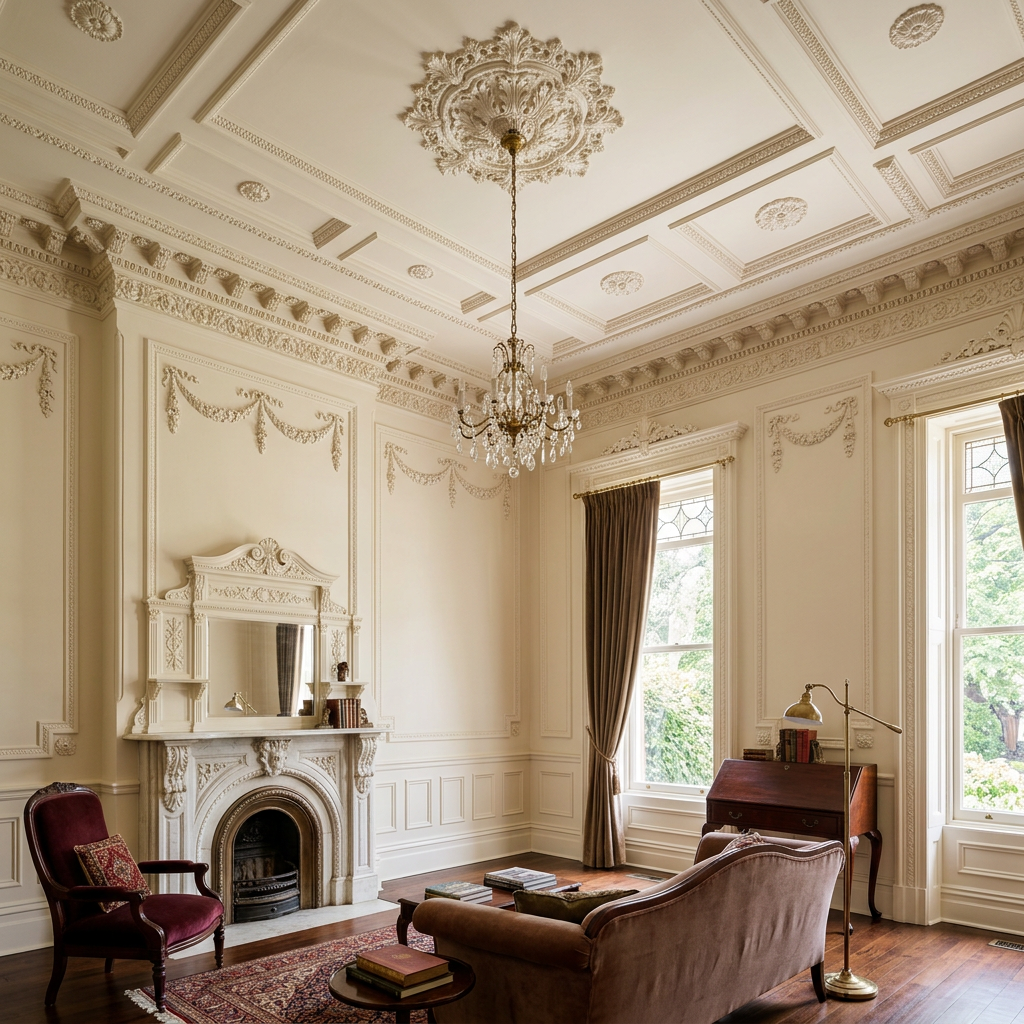
Imagine standing in the living room of your newly acquired Victorian home in Clapham, the grandeur of the ornate cornices and ceiling roses captivating your sense of history. Yet, the walls tell a different story; cracks crisscross the surfaces, leftover remnants of years gone by. As a proud homeowner, you feel eager to restore the charm of your abode but are unsure how to approach the plastering. Fear not! This comprehensive guide offers valuable insights into plastering a Victorian house, ensuring you preserve its character while enhancing its livability.
Understanding Victorian Plastering Techniques
Plastering a Victorian house requires specialized knowledge. The style of plasterwork in these historical houses often includes intricate details which demand an expert touch. Understanding the different types of plaster and techniques is essential.
Types of Plaster
- Lime Plaster - Traditional for Victorian homes, lime plaster allows for breathability, preventing damp issues.
- Gypsum Plaster - While not as common historically, modern renovations might use it for rapid application.
- Venetian Plaster - A decorative plaster that adds sheen and can be used for feature walls.
Common Techniques
- Lime Rendering - Especially suited for exterior walls to protect against moisture.
- Skimming - Applying a thin layer over existing walls to create a smooth finish, ideal for interiors.
- Ornamental Casting - Reproducing intricate designs directly onto walls or ceilings.
For those in London looking for expert plasterers, you can always tap into our Local plasterers in your area to find professionals experienced in Victorian properties.
What to Inspect Before Plastering
Before engaging in plastering your Victorian house, conduct a thorough inspection:
- Check for Dampness: Look for signs of rising damp or penetrating damp. This could affect your plastering.
- Assess the Walls: Ensure they aren’t crumbling or hollow. Peeling paint or extensive cracking are red flags.
- Inspect Existing Plasterwork: Victorian houses may have previous plaster layers. Determine whether to repair or strip back entirely.
Pricing Estimates
It's important to understand the potential costs involved in plastering your Victorian home:
- Repairing existing plaster: £15-£20 per square meter.
- New plaster application (Lime or Gypsum): £20-£35 per square meter depending on area.
- Ornamental casting: £30-£50 per feature.
For a typical Victorian house, the total cost can vary from £1,500 to £5,000 depending on the size and condition of surfaces.
Planning Your Plastering Project
With inspections done and costs estimated, it’s time to plan your plastering project.
- Hire Professionals: Seek a team experienced in working with historic properties. Our About - Professional plastering team at London Plastering Service specializes in such restorations.
- Choose the Right Time: Late spring to early autumn is ideal for external work due to dry conditions.
- Temporary Relocation: You might want to temporarily vacate your home during extensive work.
Practical Tips for Homeowners
- Stay Informative: Understanding plastering terminologies can help you communicate effectively with your plasterers.
- Color Selection: Consider lighter hues for small rooms; it can enhance natural light and make spaces feel bigger.
- Maintenance: Once complete, maintain the plaster with regular cleaning and care to extend its life.
FAQ
What is the typical lifespan of plaster in a Victorian house?
Most traditional lime plaster in Victorian homes can last for decades if maintained properly. Replastering every 15-20 years is typical under normal wear and tear.
Can I do the plastering myself?
While it's possible for those with DIY skills to learn plastering, Victorian homes often require special techniques that beginners may struggle with. Hiring professionals ensures quality and adherence to heritage guidelines.
How do I know if my walls are suitable for plastering?
Check for moisture, structural integrity, and whether the surface is smooth enough to hold new plaster. Professional inspection is advised.
What are the risks of poor plastering in a Victorian home?
Neglecting proper plastering can lead to moisture retention, cracking, and even mold, affecting both aesthetics and indoor air quality.
Can I use modern materials for my Victorian house?
While there are modern alternatives like gypsum plaster, using traditional materials like lime plaster is often recommended to maintain the historical accuracy and breathability of the home.
Conclusion
Plastering a Victorian home is an art that lovingly preserves its character while ensuring a sustainable, healthy living environment. Whether you’re tackling minor repairs or major renovations, understanding the process, costs, and key considerations can make all the difference. At London Plastering Service, we’re here to help you with every step of your project, ensuring your Victorian home stands the test of time. Contact us today for a quote and let’s enhance your home’s beauty together!
For more tips and guides on plastering, check out our Blog - More plastering tips and guides.
Related Plastering Guides & Services
Need Professional Plastering?
Get expert plastering services in London. Free quotes within 60 minutes.