
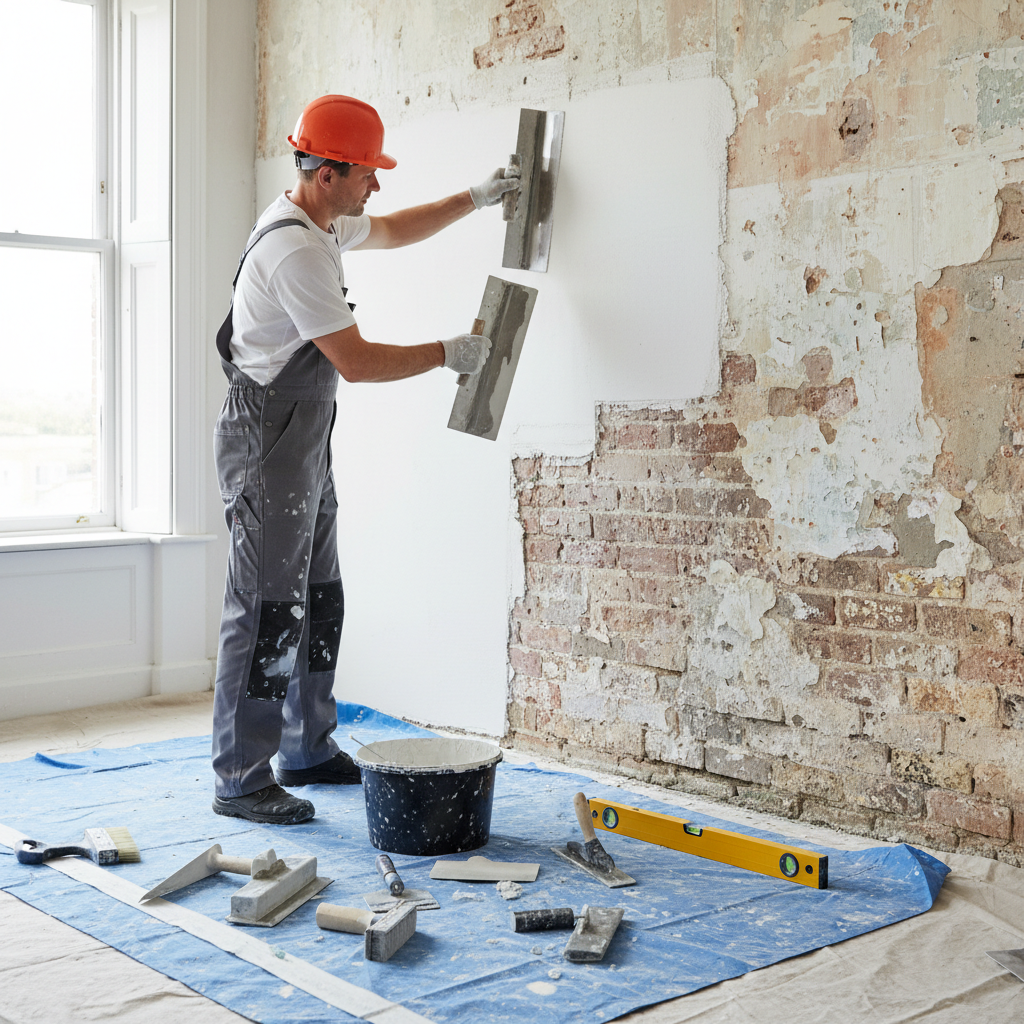
Plastering Over Old Plaster: A Complete Guide
Can You Plaster Over Old Plaster? A Complete Guide
When considering your next home improvement project, one common question arises: Can you plaster over old plaster? The answer is yes, but it requires careful evaluation and preparation to achieve the best results. This guide will delve into the steps involved, potential issues, and costs involved with plastering over existing plaster in London.
Before you start, check out our complete services at London Plastering Service for expert help!
Understanding Old Plaster and Its Condition
Before plastering over old plaster, there's a critical first step: evaluating the current condition of the plaster. Here are some important factors to consider:
1. Type of Plaster
- Lime Plaster: Has flexibility, often beneficial for older homes.
- Cement Plaster: More rigid and better suited for modern structures.
2. Condition
- Cracks or Damage: Inspect for cracks or holes that need repairing first.
- Dampness: Ensure there's no mold or dampness present – this will affect adhesion.
3. Ensure Compatibility
- Different types of plaster may require specific treatment. For instance, applying gypsum plaster over traditional lime plaster may not adhere well.
Preparation Steps for Plastering Over Old Plaster
Once you have evaluated the existing plaster, follow these preparation steps:
1. Clean the Surface
- Remove dirt, dust, and flaking paint to ensure good adhesion. You can use a wire brush for this.
2. Repair Damage
- Fill in large cracks and holes with a suitable filler before applying plaster. For significant repairs, consider professional assistance.
- Average Repair Costs: Between £60 to £100 depending on the size and extent of damage, particularly in areas like Westminster or Camden.
3. Bonding Agent
- Using a bonding agent or primer may improve adhesion. This is particularly useful for slick or shiny surfaces.
4. Test the Old Plaster
- You might want to perform a water test; if it absorbs water, it may accept new plaster better.
The Plastering Process
Materials Needed:
- Plaster: Choose either a ready-mixed product or a powder.
- Tools: Trowel, hawk, float, mixing bowl, and brushes.
Step-by-Step Guide:
- Mix Your Plaster: Follow the manufacturer's instructions to achieve the right consistency.
- Apply a Base Coat: Start with a thin layer of plaster, working from the bottom up. This will help bond the new plaster to the surface.
- Finish Layer: After the base coat sets, apply a final skim coat for a smooth finish.
- Curing Time: Allow adequate drying time; generally, this ranges from 24 to 48 hours before any additional work.
Pricing Overview for London (2026)
Plastering costs can vary significantly based on the borough and the specific job. Here’s a general price range for plastering services in London:
- Skimming over old plaster: £15 to £25 per square meter.
- Complete replastering: £30 to £50 per square meter, depending on the complexity and access.
- Additional repairs/Damp-proofing: Costs can be around £100 to £200 depending on conditions.
Here’s a list of key boroughs and their average costs:
- Greenwich: Generally lower-priced services.
- Islington: Higher due to demand.
- Hammersmith: Moderate to high pricing due to local contractors.
Advantages of Plastering Over Old Plaster
- Cost-Effective: It’s often cheaper than removing and replacing old plaster.
- Less Mess: Reduces the amount of debris created in your home.
- Preservation: Maintains the aesthetics of older buildings while refreshing the surface.
FAQs
1. Can I plaster over flaking plaster?
Answer: It's advisable to remove any flaking plaster and repair the area before applying new plaster to ensure proper adhesion and a smooth finish.
2. How thick should the new plaster be?
Answer: Typically, a skim coat should be around 2-3mm thick to ensure even coverage without excessive weight.
3. Can I do it myself?
Answer: If you have some DIY skills, you can plaster over old plaster. However, hiring a professional can save time and ensure a better finish.
4. How long does it take to dry?
Answer: Most plaster takes about 24 to 48 hours to set, though full drying can take longer depending on the room temperature and humidity.
5. Is it necessary to use a bonding agent?
Answer: A bonding agent is not always necessary but can enhance adhesion, especially if the old plaster is highly polished or glazed.
Conclusion: Get Started Today!
In summary, plastering over old plaster is entirely feasible with the proper assessment and preparation. Whether you’re in the bustling heart of London or a quieter borough like Richmond, understanding the process and costs can help you make informed decisions. Ready to begin your plastering project? Contact our expert team at London Plastering Service to schedule a consultation today!
Further Reading
For more detailed insights on costs, consider checking our guides on Plastering Prices London and Plastering Cost London.
Until next time, happy plastering!
Tags
- Plastering
- Home Improvement
- London Services
- DIY
- Repairs
Keywords
- plastering over old plaster
- London plastering services
- cost of plastering
- DIY plastering guide
- wall skimming London
Image Prompt
A clean workspace with a professional plasterer applying new plaster over an old wall, showcasing the tools used, bright lighting, and attention to detail.
Related Plastering Guides & Services
Need Professional Plastering?
Get expert plastering services in London. Free quotes within 60 minutes.