
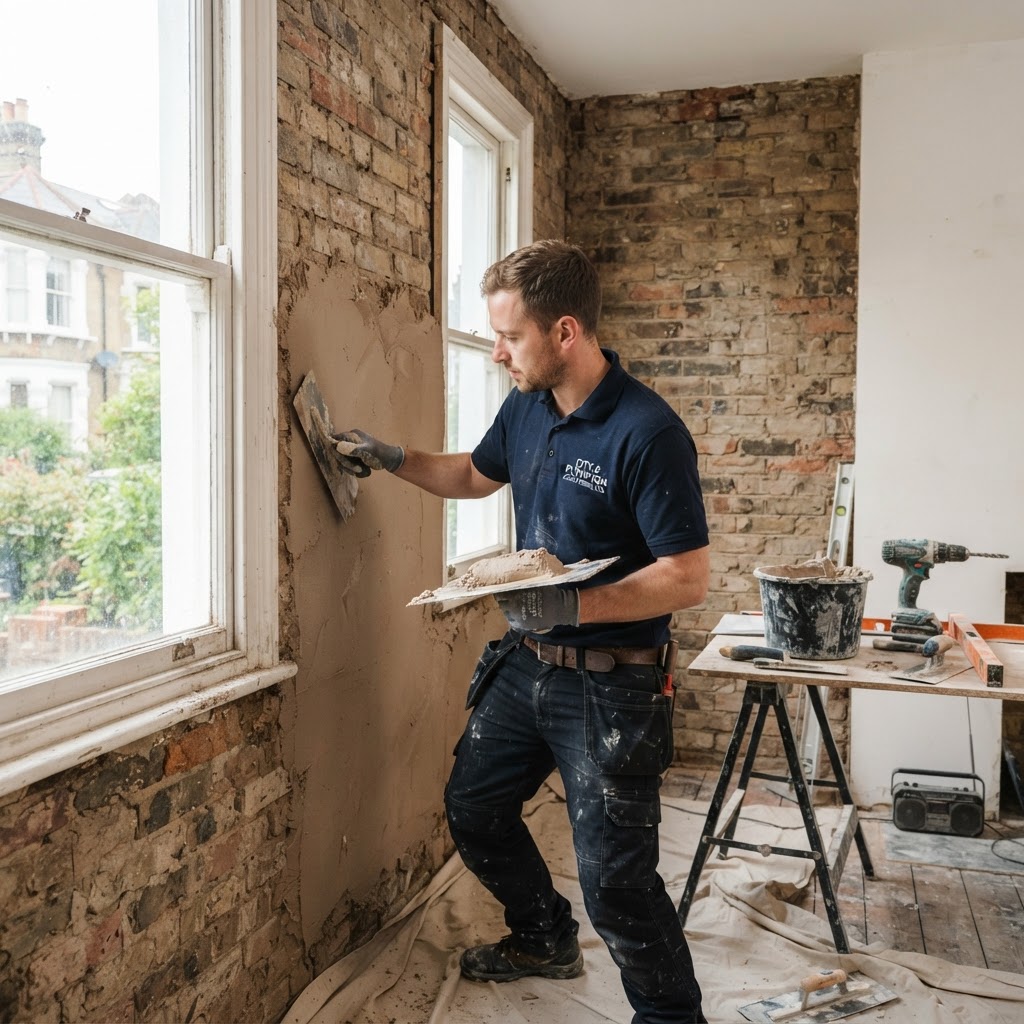
Plastering Old Walls: A London Homeowner's Expert Guide
Reviving London Heritage: Plastering Old Walls
When it comes to maintaining the charm of a period property in areas like Kensington, Hampstead, or Richmond, the condition of your surfaces is paramount. Plastering old walls is a specialized craft that requires more than just a trowel and a bucket of mix; it requires a deep understanding of historical building materials. At London Plastering Service, we have spent years mastering the delicate balance between modern standards and the architectural integrity of Victorian and Edwardian homes.
Old walls often hide a history of structural movement, damp issues, and crumbling lime plaster. Successfully tackling these surfaces involves more than just a quick cover-up. Whether you are dealing with hairline cracks in a Islington terrace or extensive blown plaster in a Westminster flat, professional intervention is vital.
Understanding the Challenges of Plastering Old Walls
Why is the process so different from modern builds? New-build homes utilize thermal blocks and gypsum boards which provide a consistent, flat substrate. In contrast, older London properties are often constructed from lath and plaster or solid brickwork that has lived through decades of environmental changes.
Why Substrate Matters
Before you start Wall Skimming London, you must assess what lies beneath. If your wall is traditional lath and plaster, applying modern heavy gypsum plasters can sometimes cause the old structure to sag or fail entirely. We often recommend using bonding agents or, in cases of severe damage, opting for Full House Replastering to ensure a stable, long-term finish.
The Professional Process for Plastering Old Walls
Our approach to these projects is systematic. We never cut corners because we understand the value of your property.
- Assessment: Inspecting for damp, rot, and structural integrity.
- Surface Preparation: Removing loose debris and applying high-performance stabilizing primers.
- Repair: Patching large voids or using Ceiling Plaster Repair London techniques where water damage has occurred.
- Application: Applying multi-coat systems tailored to the wall's porosity.
- Finishing: Achieving that glass-smooth surface ready for decoration.
For those concerned about the Plastering Cost London market, average rates for high-quality restoration currently sit between £250 and £450 per day for a two-man team in 2026, depending on the complexity of the surface repairs required.
When to Choose Dry Lining vs. Re-Skimming
Often, homeowners ask if they should just board over old walls. While Dry Lining London is a valid and efficient method for achieving a perfectly flat finish quickly, it is not always suitable for every room. In rooms with tight dimensions, adding boards may reduce the floor space. Conversely, if your walls are uneven or suffering from significant salts or damp, boarding can provide a crucial barrier between the old, problematic wall and your new, beautiful decor.
Modernising Your Interior: Beyond the Walls
Many of our clients in London are not just plastering old walls; they are modernizing their homes. We often help with Artex Covering London to remove the dated textures of the 70s, providing a smooth canvas for contemporary design. If you have an urgent issue, such as a falling ceiling or damaged plasterwork, our Emergency Plaster Repair London team is ready to assist to prevent further damage.
Comparing Plastering Prices London
Transparency is key in the London market. When reviewing Plastering Prices London, ensure the quote includes waste removal and site protection. Costs for re-skimming a standard bedroom start at approximately £600-£900, while a full renovation of a terraced house can range from £4,000 to £10,000 depending on the level of repair work needed on the original masonry.
FAQ
FAQ
Can I skim directly over old, cracked plaster?
If the plaster is 'blown' (hollow when tapped), skimming over it will likely lead to the new finish cracking or falling off. We always recommend removing loose plaster first.
Does plastering old walls help with damp?
It depends. If the damp is rising from the ground, you need a DPC (damp proof course). Plastering only masks the issue. We can advise on the correct tanking systems.
How long does the drying process take?
In typical London humidity, a fresh skim coat takes 3-7 days to dry fully, depending on room ventilation and the thickness of the application.
Is lime plaster better for older homes?
Yes, for Victorian properties, lime plaster allows the walls to 'breathe.' However, modern gypsum plaster is often used for cost-efficiency. Discuss this with your plasterer before beginning.
Ready to Restore Your Property?
Don't let cracked walls detract from the beauty of your London home. Our team provides expert, reliable plastering services tailored to your property's unique history. Contact London Plastering Service today for a professional, no-obligation assessment and get your walls looking pristine again.
Related Plastering Guides & Services
Need Professional Plastering?
Get expert plastering services in London. Free quotes within 60 minutes.