
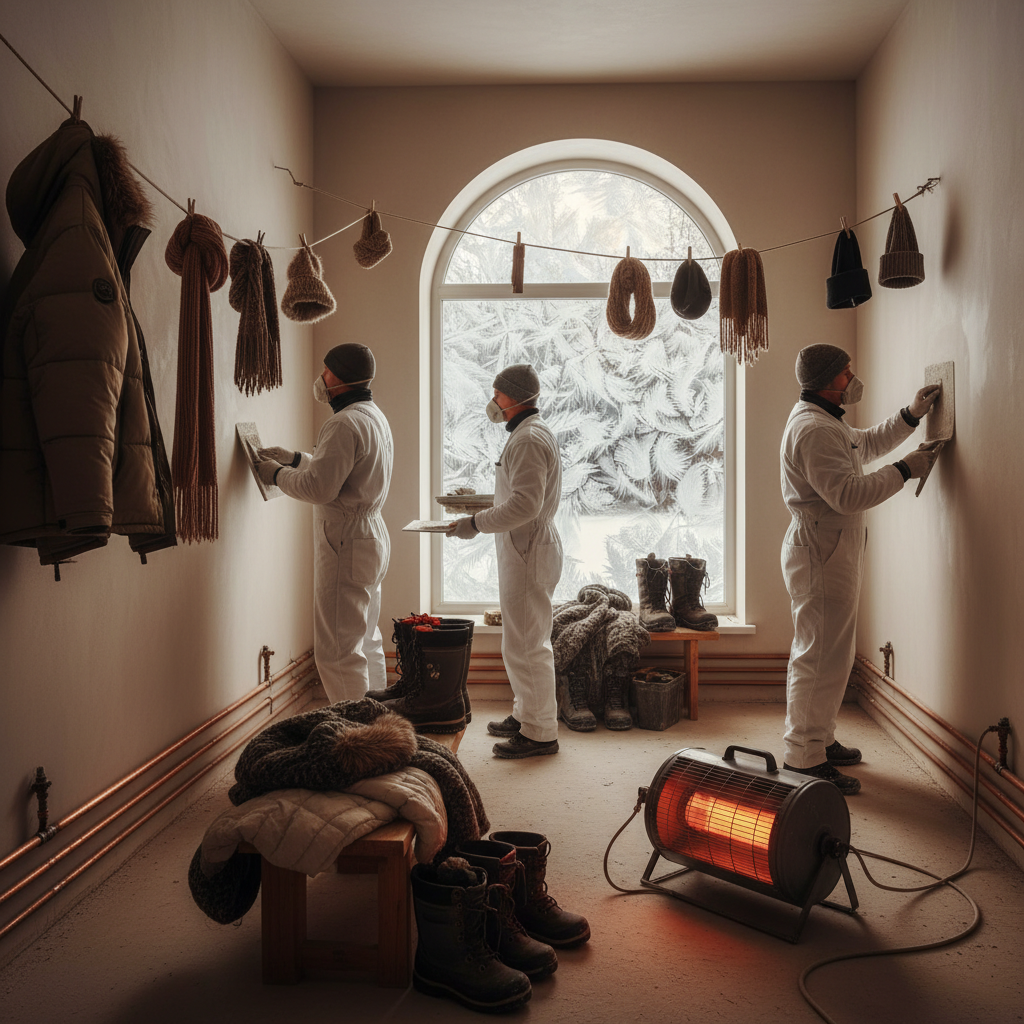
Plastering in Cold Weather: Can You Plaster Below 5 Degrees?
Can You Plaster in Cold Weather Below 5 Degrees?
Imagine this: it’s mid-January in London, and as you sip your morning coffee, you glance out the window to see frosty rooftops and icicles dangling from gutters. You’re reminded of the major renovation project you’ve been planning for months, but with temperatures consistently dropping below 5 degrees Celsius, you can’t help but wonder—can you still plaster in such cold weather?
Surprisingly, plastering in cold weather isn’t just a matter of timing; it’s about technique, materials, and a bit of creativity. This comprehensive guide will explore everything you need to know if you’re considering plastering in chilly conditions, ensuring your project stays on track.
Understanding the Challenges of Cold Weather Plastering
How Cold Weather Affects Plastering
Plastering in cold weather poses several challenges, including:
- Longer drying times: Plaster can take significantly longer to set and cure when the temperature drops, leading to potential structural issues if the process is rushed.
- Frost damage: If temperatures dip too low, plaster may freeze, compromising its integrity and performance.
- Increased humidity: Cold weather often comes with dampness, which can negatively affect plaster adhesion and finish.
The Ideal Conditions for Plastering
For optimal results, plaster should ideally be applied in temperatures between 10 and 20 degrees Celsius. However, if you find yourself facing a colder environment, there are ways to adapt.
Practical Tips for Plastering in Cold Weather
If you must proceed with plastering when it’s below 5 degrees, consider these expert tips:
1. Choose the Right Material
- Use winter-grade plaster: Some products are specifically designed for cold conditions. Look for those labeled as suitable for lower temperatures.
- Consider accelerated plaster: These types cure faster and can be handy when you're working against the clock.
2. Warm Up the Space
- Use heaters: Space heaters can raise the ambient temperature in the room. Aim to keep the temperature above 5 degrees before and during plastering.
- Insulate: Ensure windows and doors are sealed to prevent drafts, and use insulation materials where possible.
3. Plan Your Timing
- Check the forecasts: Aim to do plastering when temperatures are predicted to rise during the day.
- Consider wrapping up work by late afternoon, especially if nighttime temperatures drop.
4. Monitor and Maintain Conditions
- Use a thermometer to monitor the temperature and ensure it remains stable during the application and drying process.
- Be prepared for delays: Understand that colder weather will likely lead to longer drying times, so factor this into your project schedule.
5. Finishing Touches
- Avoid direct airflow on wet plaster, especially from heaters or open windows, which can cause uneven drying and cracking.
- Use a misting spray to keep plaster slightly moist for the first few hours after application, as this can improve the bond and reduce cracking risks.
Why You Should Consider Professional Help
If you’re uncertain about plastering in cold weather or if your project requires a high-quality finish, consider hiring professional plasterers. London Plastering Service has a team of experienced plasterers who understand local weather conditions and can ensure your walls are perfect, even in chilly weather.
FAQ
1. Can I plaster below 5 degrees Celsius safely?
While it’s possible to plaster in temperatures below 5 degrees, special precautions must be taken. Using winter-grade materials, maintaining temperature, and monitoring conditions are crucial.
2. What happens if plaster freezes?
If plaster freezes, it can lose its integrity and become brittle. This may lead to cracks and may require removal and reapplication.
3. How much longer does plastering take in cold weather?
Drying times can increase significantly in cold conditions—up to two to three times longer. It’s essential to be patient and allow adequate time for the plaster to set.
4. What are the costs for hiring a professional plasterer in London?
Prices can range between £25 to £50 per square meter, depending on the job complexity and material used. For more information, check out our Gallery of completed projects to see quality for yourself.
5. Where can I find local plasterers?
You can find experienced local plasterers by searching online for PlasterersNearMe to ensure you're getting the right expertise for your area.
Conclusion
Plastering in cold weather presents unique challenges, but with the right preparation and techniques, it can be successfully accomplished. Whether you're a homeowner, landlord, or property manager navigating a renovation in areas like Camden, Kensington, or Hackney, understanding how to work with the weather can keep your project on track.
For the best results, don’t hesitate to reach out to London Plastering Service for assistance. Our professional plastering team is ready to help you achieve flawless walls, regardless of the temperature outside. Ready to get started? Contact us today to discuss your project and get a personalized quote!
Related Plastering Guides & Services
Need Professional Plastering?
Get expert plastering services in London. Free quotes within 60 minutes.