
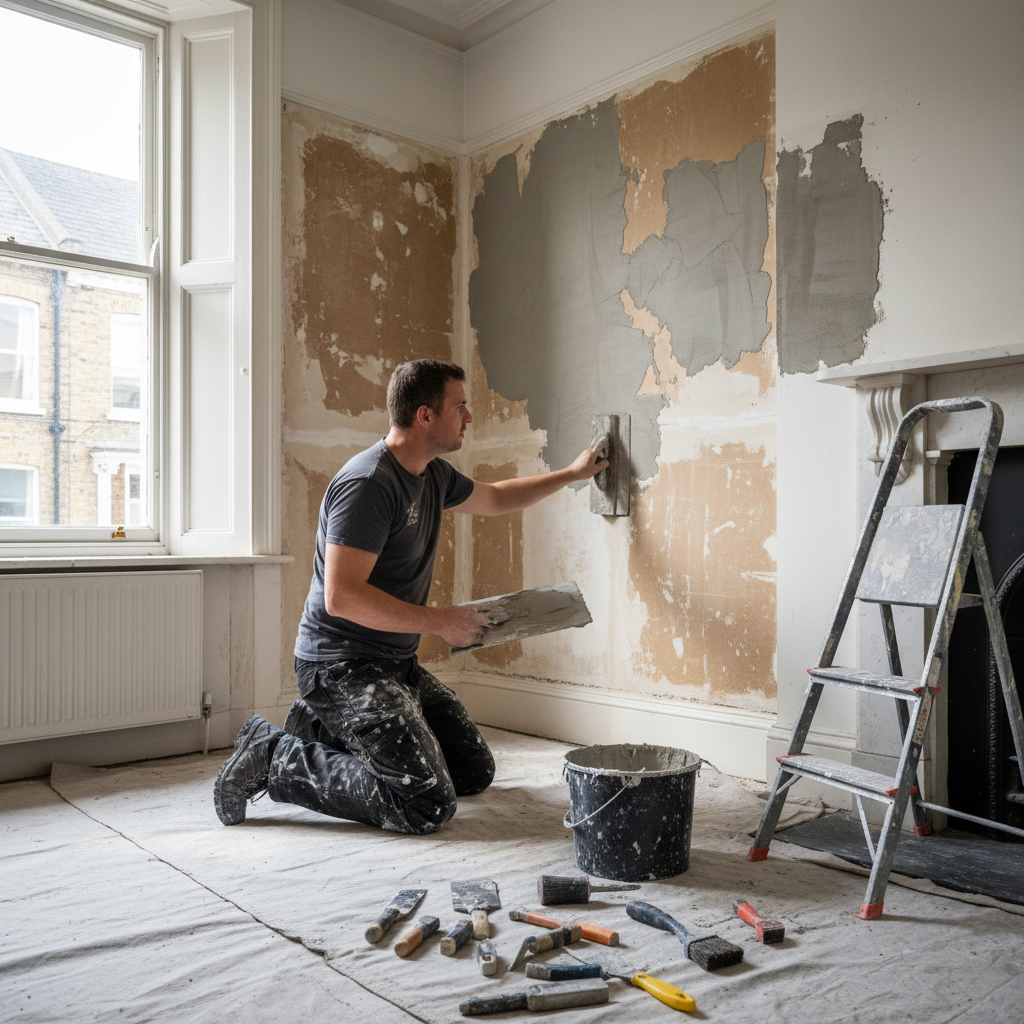
Plastering After Flood Damage: Essential Guide for Homeowners
Plastering After Flood Damage: A Comprehensive Guide
Introduction
Imagine waking up one morning to find your home flooded, the walls soaked, and your once cozy living room resembling a swamp. This nightmare scenario is all too common for homeowners in London, especially after heavy rains or burst pipes. Beyond the immediate panic, the reality of flood damage plants a new seed of worry - how will you manage the plastering after an insurance claim? Understanding the process of putting things back together can make all the difference in how quickly and successfully you can restore your home.
In this article, we’ll explore the ins and outs of plastering after flood damage insurance claims, providing practical tips and actionable steps to help you navigate this challenging situation.
Assessing the Damage
Once the water has receded, the first step is assessing the extent of the damage:
- Turn off the Utilities: Ensure safety first. Turn off electricity and gas to avoid any hazards.
- Document Everything: Take photos of affected areas for your insurance claim. Keep a record of all your possessions damaged by the flood.
- Identify Damage Types:
- Surface Damage: Look for discolorations and damp areas on plaster.
- Structural Damage: Check for cracks or instability in your walls and ceilings.
Insurance Claims
When dealing with your insurance:
- Contact Your Insurance Company: Notify them as soon as possible. Provide them with your documentation and assessors' reports.
- Understand Your Coverage: Clarify what is covered under your policy. Many homeowners are surprised to find exclusions regarding flood damage.
- Get an Approved Contractor: Your insurer may recommend specific contractors. It's often wise to choose one who specializes in flood damage restoration.
Preparing for Plastering
Once your claim is set and you have approval for repairs:
Selecting the Right Plastering Services
Choosing professionals like London Plastering Service is crucial. Look for:
- Experience with Flood Damage: Seek out services that specifically mention flood damage restoration.
- Local Resumes: Companies familiar with London’s building regulations and styles will be invaluable.
- Positive Reviews: Check platforms or our Gallery to see past work.
Materials Needed
Ensure your contractor uses:
- Water-Resistant plaster: It’s an essential consideration after flooding.
- Mold-Resistant Options: Protect your home from future issues.
Timing Considerations
The drying process for walls and existing plaster can take time. Allow around 2-3 weeks for preliminary repairs before plastering can continue adequately.
Practical Tips for Success
To ensure a smooth plastering process:
- Allow for Proper Drying:
- Ensure the affected areas dry out completely. This can be expedited with dehumidifiers and heating.
- Check moisture levels in the wall before proceeding.
- Preparation is Key:
- Remove all loose or damaged plaster completely before applying new materials.
- Consider Skimming:
- If your walls survived the flood but need a touch-up, a Wall Skimming London service can give them a fresh finish without full replastering.
Estimated Costs
When budgeting for plastering after flood damage:
- Typical plastering services can range from £15 to £25 per square meter.
- Expect total costs, including labor and materials, to range from £400 to £1,200 depending on surface area and complexity of repairs.
FAQ
Why should I hire professionals for plastering after a flood?
Hiring an expert ensures that the job is done correctly, with high-quality materials that can resist future issues like mold. Professionals also follow local regulations, which is crucial in London.
How long does the plastering process take?
Typically, the plastering process can take anywhere from a few days to several weeks, depending on the area’s size and the extent of the damage. Ensure the area is dried thoroughly first, which can add time.
Do I need to repaint after plastering?
Yes, you will likely need to repaint affected areas after plastering to match the existing decor. Make sure to choose moisture-resistant paint to protect against future dampness.
Is there anything I can do to prevent future flooding?
While you can't control weather, ensuring proper drainage around your property, maintaining gutters, and checking for leaks can reduce risks of future flooding in areas like Croydon, Kingston, or Hammersmith.
Where can I find local plasterers?
You can discover local plastering services easily on our PlasterersNearMe page to ensure you're working with a trusted local expert.
Conclusion
Dealing with the aftermath of flood damage can feel overwhelming, but understanding the plastering process post-insurance claim puts you in control. As a London homeowner, utilizing a reliable service like London Plastering Service can ensure your home is repaired to the highest standards.
Are you ready to restore your home? Contact us today for a consultation and let our professional plastering team help you return your space back to its former glory. Don’t wait – a beautiful, safe home is just a plaster away!
Related Plastering Guides & Services
Need Professional Plastering?
Get expert plastering services in London. Free quotes within 60 minutes.