
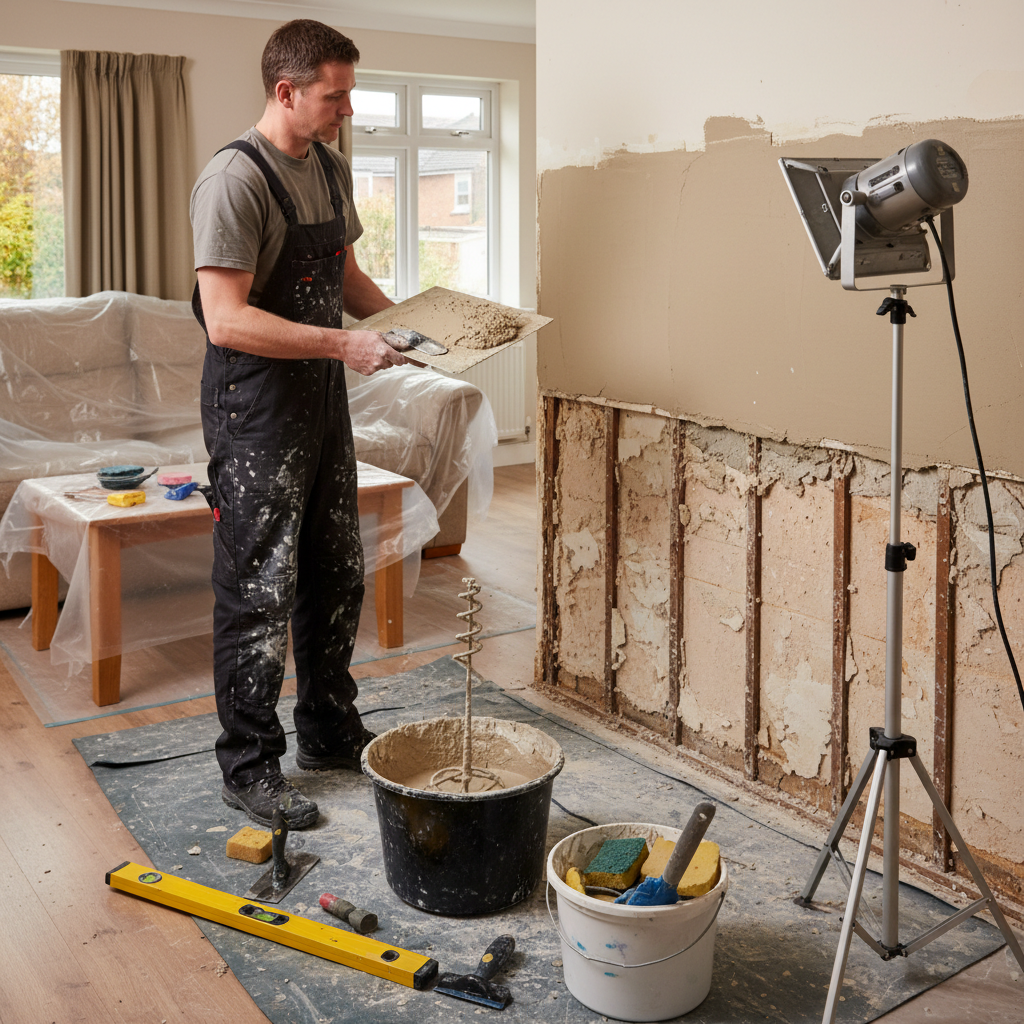
Plastering After a Flood Damage Insurance Claim: A Complete Guide
Plastering After a Flood Damage Insurance Claim: Your Essential Guide
Imagine stepping into your beloved London home, only to find it transformed into a wading pool after a heavy storm. The distress is heightened further when you realize the havoc it has wreaked on your walls, peeling away not just the surface but your peace of mind. Water damage, especially after a flood, can lead to a long and tedious insurance claim process that leaves many homeowners overwhelmed. If you're one of those homeowners venturing to reclaim your space, you are not alone. In this guide, we will walk you through everything you need to know about plastering after a flood damage insurance claim. We'll explore how to manage the repair process, the role of your insurance, and practical tips to return your home to its former glory.
Understanding the Damage and the Claims Process
Once the floodwaters recede, the first steps involve assessing the damage. Knowing what to look for can help streamline the insurance claims process:
- Inspect for Moisture: Use a moisture meter or check for water stains on your walls and ceilings.
- Check for Mould: Any signs of mould growth should be documented, as it can trigger further health complications.
- Take Photos: Capture images of all damaged areas; these will be crucial for your insurance claim.
- Contact Your Insurance Provider: Reach out to your insurance company immediately. They’ll guide you on how to file your claim.
- Document Everything: Keep all receipts for repairs, cleaning services, and even temporary housing if you had to vacate.
The Role of Insurance in Your Repair Process
It’s essential to understand how your insurance will approach covering the plastering and repair work. This varies widely based on your policy, but here are common scenarios:
- Comprehensive Coverage: If your policy explicitly covers flood damage, plastering costs will likely be handled directly by your insurance after you file a claim and get approval.
- Deductibles: Be aware of the deductibles; this is the amount you’ll need to pay out-of-pocket before your insurance kicks in.
- Expert Assessment: Your insurance may require an assessment by an adjuster, so be prepared to explain the extent of the damage comprehensively.
Choosing the Right Plastering Service
After navigating your insurance claim, the next crucial step is selecting a trustworthy plastering service. Here’s what to consider:
- Local Expertise: Look for companies like London Plastering Service that have extensive experience in flood damage repairs and are familiar with local building codes.
- Check Reviews: Explore online reviews and testimonials from previous customers to gauge reliability and quality.
- Get Quotes: Always obtain several quotes before making a decision—for plastering jobs, here’s what to expect:
- Internal plastering can range from £20 to £35 per square meter.
- Additional costs like mould treatments or complete wall rebuilds might add £50–£150 per square meter.
Practical, Actionable Tips for Plastering After Flood Damage
Once you have your insurance claim sorted and a plastering service chosen, it’s time to think practically about the process. Here are some steps to ensure you manage everything smoothly:
- Prepare Your Space: Remove furniture and protect your belongings to avoid further damage.
- Ventilation: Ensure proper ventilation in the area to assist with drying out walls, as moist environments encourage mould growth.
- Assess Drying Time: Depending on the damage, it can take anywhere from several days to a few weeks for walls to dry thoroughly; don’t rush this process.
- Professional Evaluation: Have a professional assess the walls for structural damage—if your plaster is deeply affected or the underlying structure compromised, the solution may involve more than simple plastering.
How Plastering Works
Here’s a simplified breakdown of the plastering process after flood damage:
- Step 1: Removal of Damaged Plaster: The first step involves removing any loose or damaged plaster and ensuring that the wall surface is sound.
- Step 2: Surface Preparation: This may include cleaning, treating for mould, and ensuring the surface is properly primed for new plaster.
- Step 3: Application of New Plaster: A skilled plasterer will apply new plaster in layers, smoothing it out to ensure an even finish.
- Step 4: Curing and Finishing: Proper curing is essential before any painting or wallpapering can take place—you may want to wait several weeks for the plaster to dry thoroughly.
Frequently Asked Questions (FAQ)
FAQ
1. How long does it take to get an insurance payout for flood damage?
Insurance payout timelines can vary widely. Typically, it can take anywhere from a few days to several weeks, depending on the complexity of your claim and whether assessments are required. Keep constant communication with your insurance adjuster for updates.
2. Can I undertake the plastering myself?
While some homeowners may feel confident enough to tackle plastering DIY, it is generally advisable to hire professionals—especially after flood damage—due to the skill required and the importance of adhering to safety standards, especially around potential mould or structural integrity issues.
3. Are there specific types of plaster that are better after flooding?
It’s best to consult with your plastering professional, but typically, water-resistant or moisture-resistant plaster types are recommended to prevent future issues.
4. What should I do if I find mould on the plaster after a flood?
You should contact a professional immediately, as mould can pose health risks. It's crucial to address the root cause of the moisture and ensure proper treatment of the affected areas.
5. How can I prevent future water damage?
To prevent future flooding damage, it’s essential to regularly maintain your property, ensuring gutters are clear, downspouts are directed away from the foundation, and checking for leaks or vulnerabilities in your plumbing system.
Conclusion
Restoring your home after flood damage requires patience, attention to detail, and the right resources. Navigating the plastering process post-insurance claim can be daunting, but with the right support from professionals and a solid understanding of what to expect, you can reclaim your space effectively. If you’re ready to start the plastering process, contact London Plastering Service today to get expert advice and a free estimate. Don’t let flood damage leave a lasting mark on your home—take action today!
Related Plastering Guides & Services
Need Professional Plastering?
Get expert plastering services in London. Free quotes within 60 minutes.