
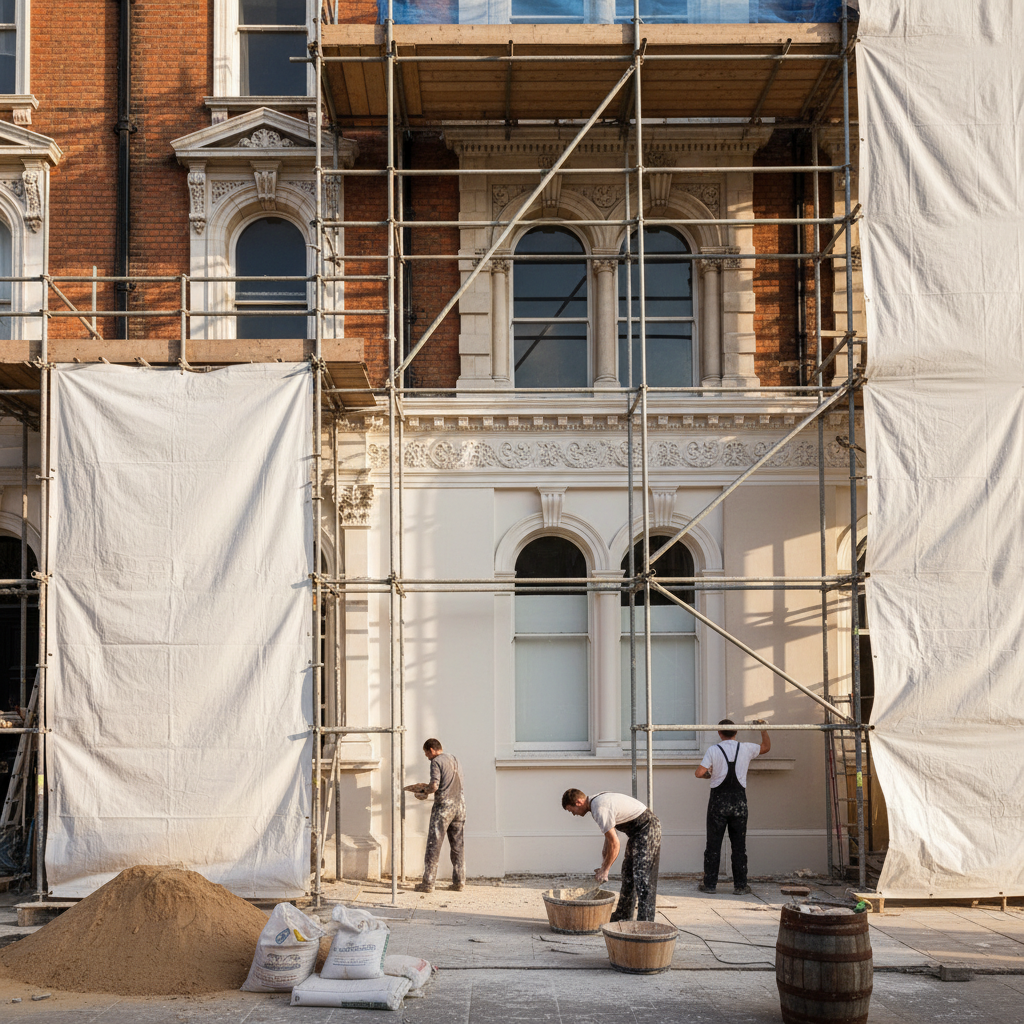
Plastering a Listed Building Legally in the UK
How to Plaster a Listed Building Legally in the UK
When Tony bought his charming Georgian townhouse in Islington, he imagined long evenings in a cozy living room adorned with ornate plasterwork. Unbeknownst to him, his dreams came with over 200 years of regulations standing in his way. If you’re a homeowner like Tony, you might be surprised to learn that plastering a listed building isn’t as simple as grabbing a trowel and getting to work. In fact, the rules governing these projects are as intricate as the cornices they protect.
Fortunately, this guide provides everything you need to know about plastering a listed building legally in the UK, ensuring that you can both preserve history and create your dream home. Let’s dive into the how, what, and why of it all.
Understanding Listed Buildings
Before we can discuss plastering, let’s clarify what a listed building is. In the UK, buildings are classified into different grades:
- Grade I: Buildings of exceptional interest.
- Grade II*: Particularly important buildings of more than special interest.
- Grade II: Buildings of national importance and special interest.
Listed status means that any work you undertake must not harm the building’s historical or architectural significance.
The Legal Framework
- Planning Permission: Before you even think about plastering, you must confirm whether your work requires planning permission from your local council. This is especially true for Grade I and Grade II* buildings.
- Building Regulations: Apart from planning permission, you should check if you need to comply with local building regulations that apply to historic buildings.
- Listed Building Consent: This is crucial. If you plan to undertake any significant renovations, you need to apply for this consent, which is specifically designed to ensure that your changes respect the character of the building.
For applications in boroughs like Westminster or Camden, consent can take several weeks, sometimes even months. So, it’s best to factor this into your project timeline.
Step-by-Step Process to Plaster Legally
1. Initial Assessment and Planning
- Inspect the existing plaster: Understand its composition and condition.
- Consider conservation advice: Contact organizations like English Heritage or your local preservation society for guidance.
2. Apply for Listed Building Consent
- Prepare your application: Include detailed plans, photographs, and descriptions of your proposed work.
- Submit to your local planning authority: Expect to pay a fee ranging from £200 to £800, depending on the nature of work.
3. Assessment by Conservation Officers
- Await feedback: Conservation officers will assess if your proposed changes preserve the building’s significance.
- Modify plans if needed: Sometimes, you may have to adapt your plans based on feedback.
4. Engage Expert Plasterers
- Choose professionals experienced with historic buildings: Look for plasterers in London who specialize in heritage work, like those from London Plastering Service.
5. Undertake the Plastering Work
- Use appropriate materials: Lime-based plasters are often recommended for heritage properties as they allow the building to breathe.
- Follow your approved plans carefully to ensure compliance.
Practical Tips for Plastering Listed Buildings
- Do your homework: Research the specific regulations pertinent to your property type.
- Don’t rush: Allow ample time for applications and responses from authorities.
- Communicate with the council: Keep in touch during the consent process for clarity.
- Picture documentation: Take ‘before’ pictures of the building’s existing state, which can help illustrate your project's necessity.
FAQ
Q1: Do I need planning permission to plaster a listed building?
Yes, you often need planning permission, especially for significant alterations. It's crucial to apply for Listed Building Consent and get approval before commencing any work.
Q2: What type of plaster should I use?
For heritage buildings, lime-based plaster is generally recommended as it is flexible and allows for breathability, thus preserving the building’s integrity.
Q3: What are the penalties for illegal plastering?
Proceeding without the correct permissions can lead to hefty fines and, in severe cases, you may be required to restore the building to its original state at your own expense.
Q4: How much does it cost to get Listed Building Consent?
Fees vary widely, generally ranging from £200 to £800, depending on the scope of the work, so it's worth checking your local council's website for the precise figure.
Q5: How long does it take to get Listed Building Consent?
The process can vary but expect it to take anywhere from 8 weeks to several months, depending on your council's workload and the complexity of your application.
Conclusion
Plastering a listed building legally in the UK may seem cumbersome, but it’s essential for preserving the unique character and historic value of your property. By following the outlined steps, obtaining the necessary permits, and working with professionals like those at London Plastering Service, you can successfully navigate this process.
Whether you're a homeowner, landlord, or property manager, you deserve a beautiful space that respects history. For expert advice and skilled craftsmanship in plastering, don’t hesitate to contact us today!
Looking to see examples of our work? Check out our Gallery for inspiration or visit our Blog for more plastering tips and guides that cater specifically to London properties.
Related Plastering Guides & Services
Need Professional Plastering?
Get expert plastering services in London. Free quotes within 60 minutes.