
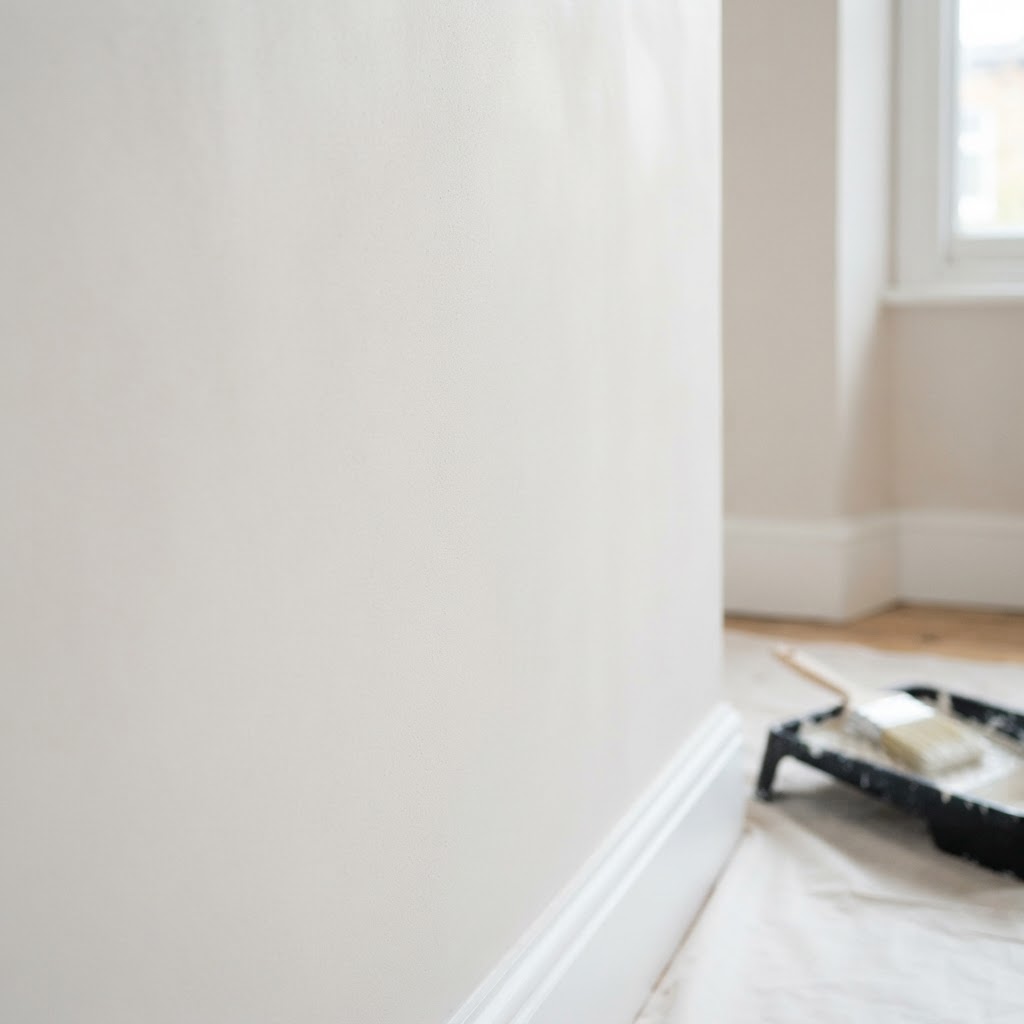
Plaster Dry Time Before Painting in London
How Long Does Plaster Take to Dry Before Painting in London? A Local Expert's Guide
As a leading plasterer in London, we understand that one of the most common questions homeowners and renovators ask is: "How long does plaster need to dry before I can paint it?" It's a critical step that can make or break the final look of your newly plastered walls and ceilings. Rushing the process can lead to peeling paint, mould, and an uneven finish, costing you time and money in the long run. At London Plastering Service, we've seen it all across boroughs from Islington to Kensington, and we're here to demystify the drying process for you.
The Magic Number: 2-4 Weeks (But It's Not That Simple!)
While a general rule of thumb is often quoted as 2-4 weeks, this is a very broad estimate. The actual drying time for plaster in London can vary significantly based on several factors. It’s not just about the calendar; it’s about the environmental conditions and the specifics of the job.
Factors Influencing Plaster Drying Time in London
Understanding these elements will help you better gauge when your walls are truly ready for a lick of paint.
1. Plaster Type and Thickness
- Traditional Sand and Cement Plaster: This is a thicker, more robust plaster that typically takes longer to dry. A thicker application, common in older properties or for significant repairs, will naturally require more time for the moisture within to evaporate.
- Modern Gypsum Plasters (e.g., Multi-Finish): These tend to dry faster than traditional renders. When we undertake jobs like wall skimming in London, we often use these materials, which can sometimes reduce the waiting period.
- Thickness: A thin skim coat might dry faster than a thick, backing coat application. The depth of the plaster directly impacts how much water needs to escape.
2. Environmental Conditions in London
London’s microclimates can play a role. Even within the city, conditions can differ. Factors include:
- Temperature: Warmer temperatures generally speed up evaporation. Cold, damp weather, common in London winters, will significantly slow down drying.
- Humidity: High humidity levels mean the air is already saturated with moisture, making it harder for water to evaporate from the plaster. London can experience humid spells, especially near the Thames or in basement flats.
- Ventilation: Proper airflow is paramount. Rooms with good ventilation (open windows, fans) will dry much faster than sealed, unventilated spaces. This is why we always advise clients in areas like Hackney or Southwark to ensure good airflow after we've finished our work.
3. Ambient Moisture Levels
New builds or recently renovated properties often have residual moisture in the building fabric itself, not just in the plaster. This can extend the overall drying time. Plaster needs to dry not just on the surface, but throughout its depth.
4. Substrate
The type of wall or ceiling underneath the plaster can also influence drying. Porous surfaces might absorb some moisture, while damp-proof membranes or impermeable substrates could trap moisture, requiring careful attention.
Signs Your Plaster is Dry and Ready for Painting
Don't just rely on the calendar. Trust your senses and look for these indicators:
- Uniform Colour: The most obvious sign is a consistent, pale, off-white colour throughout the plastered area. Any darker patches or greyish areas indicate trapped moisture.
- Surface Feel: The plaster should feel dry and hard to the touch. It shouldn't feel cold or damp.
- No 'Blinking': This is an old plasterer’s term. If you shine a light on the wall and then quickly look away, you might see a faint ‘reflection’ or ‘blink’ from the surface if there’s still moisture. A truly dry wall won't show this.
- Moisture Meter: For absolute certainty, a professional can use a moisture meter. These tools give a precise reading of the moisture content within the plaster. While not typically used by homeowners, it’s a tool we might use on complex jobs or if there are concerns.
Why Is Proper Drying So Important?
Painting over damp plaster is a recipe for disaster. Here’s why:
- Paint Adhesion Failure: Paints need a dry, stable surface to adhere to. Moisture in the plaster will prevent the paint from bonding correctly, leading to peeling, flaking, and bubbling.
- Mould and Mildew Growth: Trapped moisture is the perfect breeding ground for mould. This is not only unsightly but also a health hazard, especially in homes in damp London areas.
- Poor Finish: Uneven drying can cause the plaster to shrink and crack. Painting over these imperfections will only highlight them, ruining the smooth finish you paid for.
- Compromised Durability: The paint layer protects your plaster. If the paint fails due to dampness, the plaster itself can be exposed to further damage.
What About Emulsioning or 'Sealing' New Plaster?
Some decorators ask if they can apply a mist coat or a special sealer to speed things up. A mist coat (a thinned coat of emulsion paint) is often recommended, but only after the plaster is sufficiently dry. This initial coat helps to seal the plaster and provides a good base for subsequent coats.
However, if the plaster is still significantly damp, even a mist coat can trap moisture. It's always better to wait until the plaster is truly dry. For jobs like ceiling plaster repair London, ensuring the repair is dry before painting is just as vital as for a full re-plaster.
Dealing with Different Plastering Services
The drying time can also depend on the specific plastering service performed:
- Full House Replastering: A complete replaster of a property, like a Full House Replastering project in a Victorian terrace in Islington, involves large areas and potentially thick applications. This will naturally take the longest to dry, often pushing the 4-week mark.
- Wall Skimming: Skimming involves applying a thin layer of finishing plaster over existing surfaces. While quicker to apply, it still needs adequate drying time. A skim over a small area in a well-ventilated room in Clapham might dry faster than a large wall.
- Artex Covering: Covering old Artex with a new plaster finish, a common request for Artex Covering London projects, requires careful preparation. The new plaster needs its own drying time, irrespective of what lies beneath.
- Dry Lining: While not traditional plastering, if Dry Lining London is used, the plasterboard itself doesn't 'dry' in the same way. However, any jointing compound or skim coat applied over it will still require drying time before painting.
Realistic Drying Times and Cost Implications
In London, where renovation projects often have tight schedules, waiting for plaster to dry can feel like a bottleneck. However, rushing it is a false economy.
Let's consider some realistic scenarios and costs related to plaster drying:
- Scenario 1: Small Skim in a Well-Ventilated Flat (e.g., Shoreditch): A single wall might be ready for a mist coat in 7-10 days and ready for full painting in about 2-3 weeks, assuming good weather and ventilation. The cost for skimming a wall might range from £250 - £450.
- Scenario 2: Two Rooms Replastered (e.g., Balham): Expect 3-4 weeks of drying time. Costs for plastering two rooms could be in the region of £800 - £1,500, depending on the extent of work.
- Scenario 3: Full House Replaster (e.g., Fulham Victorian): This is a significant undertaking. Drying can easily take 4-6 weeks, sometimes longer if the building's fabric is also damp. The Plastering Cost London for a full house could range from £5,000 - £15,000+.
Remember, these are estimates for 2026. Actual Plastering Prices London can vary based on the complexity, accessibility, and the specific plasterer's rates.
Tips for Speeding Up Plaster Drying (Safely!)
While you can't force plaster to dry instantly, you can create optimal conditions:
- Ventilation is Key: Open windows and doors (when weather permits) to allow moist air to escape and fresh, drier air to circulate. Consider using low-power fans to improve airflow, especially in corners or behind furniture.
- Heating: Maintain a moderate temperature. Avoid extreme heat which can cause rapid surface drying and cracking, but keep the room consistently warm (around 15-20°C) to aid evaporation.
- Dehumidifiers: In particularly damp or humid conditions, a dehumidifier can be a lifesaver. Run it consistently, emptying the water collection tank regularly. This actively removes moisture from the air.
- Avoid Blockages: Ensure radiators aren't directly blasting heat at the plaster, and that furniture isn't blocking airflow around newly plastered walls.
- Emergency Repairs: For urgent situations like a leak causing damage, an Emergency Plaster Repair London might be needed. In such cases, targeted drying methods (like dehumidifiers and heaters) become even more crucial, but professional assessment is advised.
Common Mistakes to Avoid
- Painting Too Soon: As we’ve stressed, this is the biggest mistake.
- Ignoring Dark Patches: Don't paint over damp spots. Investigate the cause (e.g., leak, condensation) and allow it to dry fully.
- Over-Heating: Cranking up the heat too high can cause the surface to dry too quickly, leading to hairline cracks.
- Sealing Off Ventilation: Don't seal the room completely, thinking it will keep warmth in. Air needs to move.
FAQs: Your Plaster Drying Questions Answered
Q1: Can I use a blow heater to speed up plaster drying?
A1: While moderate heating is beneficial, using a high-power blow heater directly on the plaster can cause it to dry too quickly on the surface, leading to cracking and potential delamination. It’s better to use a steady, moderate heat combined with good ventilation. If you do use a heater, ensure it’s not too close and provides indirect warmth, and monitor the plaster closely for any adverse effects. A dehumidifier is often a safer and more effective tool for removing excess moisture.
Q2: How long does plaster take to dry in a new build home in London?
A2: New builds, especially those constructed with traditional methods, can hold a significant amount of residual moisture in the brickwork and structure. Plastering these often requires a longer drying time, potentially exceeding the standard 2-4 weeks. It’s not uncommon for it to take 6 weeks or even longer for the entire building to 'settle' and dry out sufficiently, particularly after significant wet trades. Always check for consistent colour and dryness throughout.
Q3: What's the difference in drying time between plastering a small area versus a whole room?
A3: A small area, like a patch repair or a single wall skim, will generally dry faster than an entire room or a full house re-plaster. This is due to the total volume of water that needs to evaporate. A larger area means more plaster, more water, and thus a longer drying period. Environmental factors like ventilation and humidity play a more significant role in larger spaces. For example, a ceiling repair might dry quicker than a large, newly plastered wall.
Q4: Is it okay to paint if there are still some slightly darker patches but the rest is dry?
A4: No, it is not advisable to paint if there are still dark or greyish patches indicating trapped moisture. Even if the majority of the plaster appears dry, painting over damp areas will compromise the paint finish, leading to peeling, blistering, and potential mould growth. It's essential to wait until the entire plastered surface is uniformly pale and dry to the touch before applying any paint, including mist coats.
Trust London Plastering Service for Expert Results
Understanding plaster drying times is crucial for achieving a professional, long-lasting finish. While the 2-4 week guideline is a starting point, environmental factors, plaster type, and application thickness all play significant roles, especially in a diverse city like London.
Don't let guesswork ruin your renovation. At London Plastering Service, we pride ourselves on our expertise, ensuring that not only is your plastering work completed to the highest standard, but we also provide clear guidance on the crucial drying process. Whether you need a simple wall skimming in Camden, extensive full house replastering in Richmond, or expert ceiling plaster repair in Westminster, our team has the knowledge and experience to deliver exceptional results.
Ready to transform your home with flawless plastering? Contact London Plastering Service today for a free, no-obligation quote. Let us bring our London expertise to your doorstep.
Related Plastering Guides & Services
Need Professional Plastering?
Get expert plastering services in London. Free quotes within 60 minutes.