
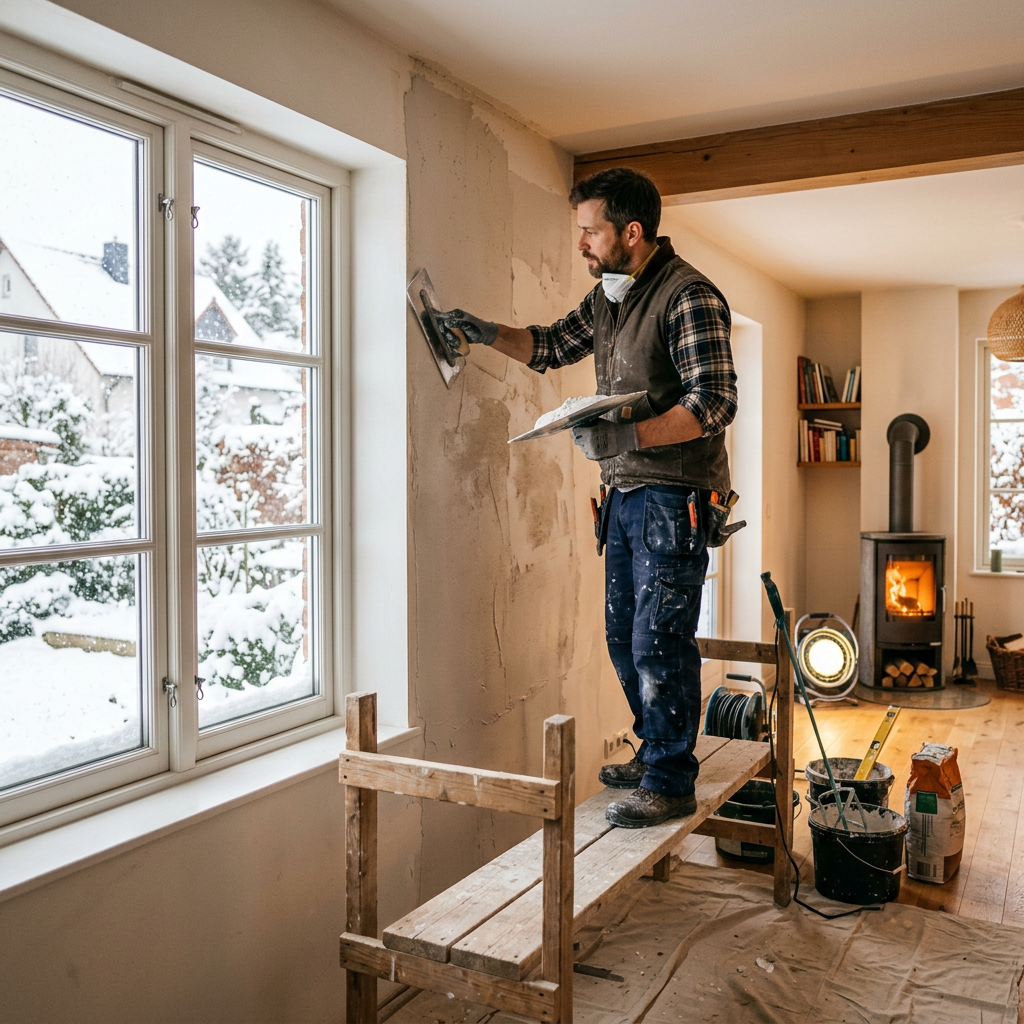
Perfect Plastering: Winter Temperature Tips for Homeowners
What Temperature to Plaster in Winter UK: Tips for Success
Imagine this: it's a chilly January morning in North London and you’ve just scheduled a plastering job to transform your living room. You might expect this to be a straightforward task, but as the temperature plunges, you might start to worry – can you even plaster when it’s this cold? No one wants to deal with cracks or peeling paint down the line because of suboptimal conditions.
It’s a dilemma that many homeowners face. Plastering during winter in the UK can be tricky, but it’s not impossible. In this comprehensive guide, we’ll explore the ideal temperature conditions for plastering during winter, the impacts of cold weather on plaster, and practical tips to ensure your project runs smoothly. Let's dive in!
Understanding Plastering Conditions
Plastering is a delicate process that relies heavily on environmental conditions. Here are a few essential principles to consider:
- Temperature: The optimal temperature for plastering is between 10°C to 30°C (50°F to 86°F). Below 10°C, the plaster may not set properly, increasing the risk of unsightly results.
- Humidity: High humidity can also affect the curing process, leading to complications like shrinkage cracks.
- Ventilation: Proper airflow helps in drying the plaster effectively, particularly crucial in closed or poorly ventilated spaces.
The Ideal Temperature for Plastering in Winter
In the UK, winter temperatures can often drop below the desirable threshold for plastering. Here are some key points regarding optimal conditions and adjustments you can make:
1. Minimum Temperature to Plaster
- Above 5°C (41°F): Most plaster types can tolerate temperatures as low as this, but you must work very quickly to avoid freeze-thaw cycles that can damage plaster.
2. Aim for Optimal Range
- 10°C to 15°C (50°F to 59°F): If possible, try to maintain your room temperature within this range for the best results. This is especially important for internal plastering jobs.
3. Using Heaters
If your space is colder, consider using electric heaters to raise the temperature, but be cautious of the following:
- Keep heaters safely away from materials to avoid drying them too quickly.
- Monitor temperatures regularly to ensure they stay within the acceptable range.
Practical Tips for Winter Plastering
When faced with low temperatures, here are some actionable tips to ensure your plastering project succeeds:
1. Prepare Your Space
- Insulate: If you’re planning to plaster in an unheated room, consider adding insulation or using temporary heaters.
- Remove drafts: Seal windows and doors to limit cold drafts and maintain warmth.
2. Use Calcium Sulphate Plasters
- These types of plasters cure faster than traditional lime-based ones and are more suited for colder conditions.
3. Warm Water Mixing
- Use warm (not hot) water when mixing your plaster to help maintain temperature.
4. Regular Monitoring
- Keep an eye on temperatures with a thermometer and adjust the heating as needed. It may also help to take readings throughout the day.
Considerations for External Plastering
If you are looking to plaster externally during winter, special considerations are even more critical:
- Wait for warmer days: External plastering is best done when temperatures exceed 5°C during the day.
- Use frost-resistant plasters: These are specially formulated to withstand low temperatures.
FAQ
## What is the lowest temperature you can plaster in winter UK?
The lowest temperature generally recommended for plastering in the UK is 5°C (41°F). Below this temperature, the risk of the plaster freezing increases, affecting the finish and durability.
## How does cold weather affect plastering?
Cold weather can slow down the setting and curing process of plaster. It may lead to issues like cracking, poor adhesion, or flaking if proper precautions aren’t taken.
## Can I use heating to plaster in winter?
Yes, using heating is a practical solution to maintain an appropriate temperature. Electric heaters can help, but avoid placing them too close to the plaster to ensure it doesn’t dry out too quickly.
## How long does plaster take to dry in cold weather?
Drying times can be significantly extended in colder temperatures. While standard drying might take 2-3 days, it could take up to a week or longer in colder conditions. Always check for dryness before painting.
## Are there special plasters for winter?
Yes, some manufacturers produce winter-grade or rapid-setting plasters that are designed to cure well in lower temperatures, making them suitable for use in colder months.
Conclusion
Plastering in winter in the UK might seem daunting, but with the right preparation and understanding of conditions, you can achieve high-quality results. Remember, aim for a temperature between 10°C to 30°C, use appropriate materials, and keep an eye on environmental conditions throughout the process.
If you’re still unsure or need professional help, don’t hesitate to consult our expert team at London Plastering Service. We are dedicated to providing outstanding plastering services in local areas including Camden, Islington, and Hackney. Check out our Gallery for examples of our work or read more about our services for helpful tips.
Transform your home with confidence, and remember, the right conditions make all the difference. Happy plastering!
Related Plastering Guides & Services
Need Professional Plastering?
Get expert plastering services in London. Free quotes within 60 minutes.