
Painting Plaster Too Soon: What You Need to Know
What Happens If You Paint Plaster Too Soon?
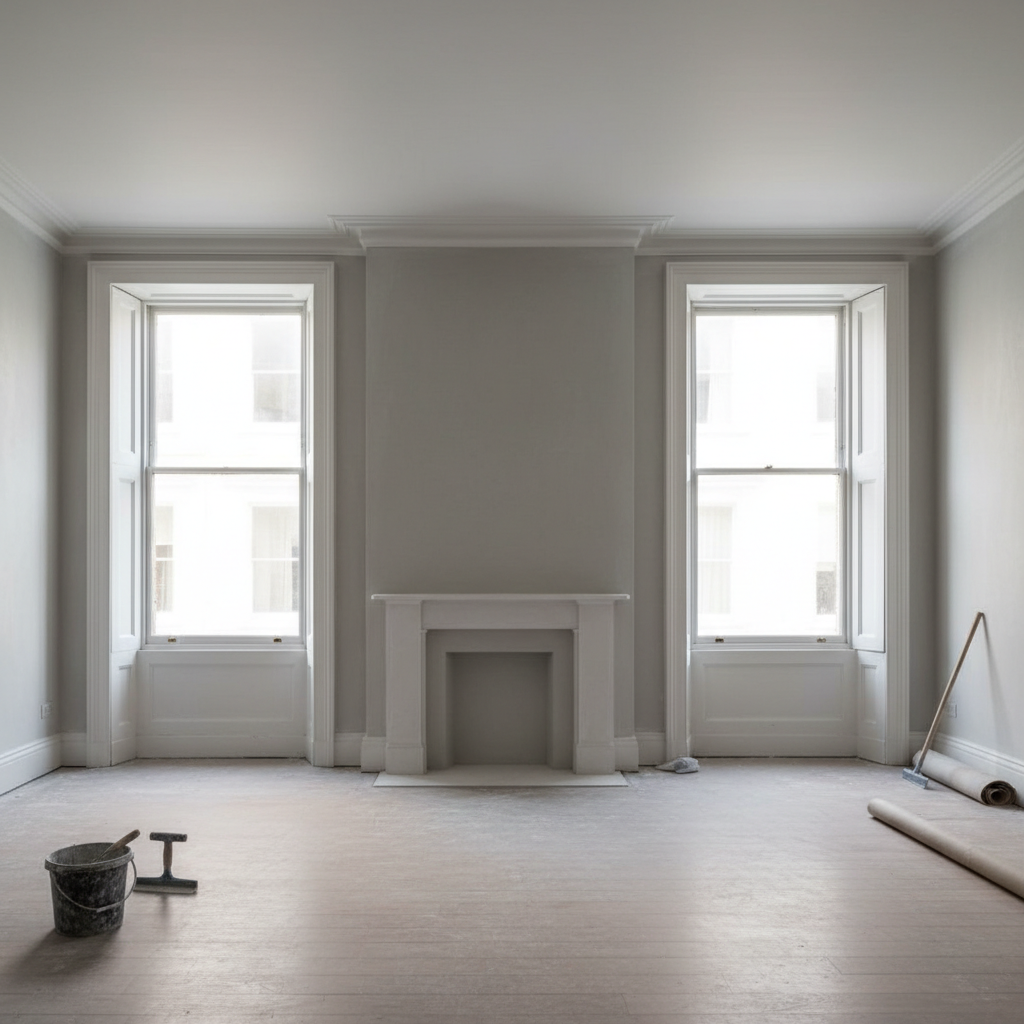
Imagine this: You’ve just completed an extensive renovation of your flat in vibrant Hackney, and the freshly plastered walls gleam with potential. You’re excited to add color and personality, so you grab your brushes, but what if I told you that painting too soon could result in a disaster? Here’s a surprising fact: improperly painted plaster can lead to moisture problems, peeling paint, and a complete waste of time and money!
As London homeowners strive for the perfect finish, it’s crucial to understand the drying process of plaster and what happens if you jump the gun with paint. In this blog post, we’ll cover the intricacies of plaster drying, the common pitfalls of premature painting, along with practical advice tailored for London residences, and answers to frequently asked questions.
The Science of Plaster Drying
Plaster is an amazing material that requires time to cure. The drying process can be affected by various factors, including:
- Humidity Levels: High humidity can slow down drying time significantly. In the UK, particularly in boroughs like Camden and Westminster where humidity can be high, you need to be cautious.
- Type of Plaster Used: Different plasters, such as lime or gypsum, have distinct drying schedules. Gypsum plaster typically dries faster than lime-based alternatives.
- Room Temperature: Warmer rooms expedite drying. If you're working in a colder area of your home, expect longer wait times.
Typical Drying Times
- Standard Plaster: 1-3 days, but this also depends on thickness.
- Heavy Coats: 5-7 days; generally, wall skimming jobs take longer.
- Lime Plaster: 2-4 weeks for complete curing.
Patience is essential. Rushing the process could jeopardize your hard work and future paint quality.
Risks of Painting Too Soon
1. Peeling and Bubbling
When you paint plaster before it's fully dried, moisture trapped in the plaster will seek an escape route. This often leads to paint peeling off or bubbling as the moisture rises. Not only does this look unsightly, but you’ll also find yourself having to redo the work—more costs and effort.
2. Mold Growth
Plaster retains moisture even after it feels dry to the touch. If painted over, this moisture can create the perfect environment for mold and mildew, especially in damp locations like bathrooms. London’s moist climate can exacerbate this issue.
3. Poor Finish
You’ve invested time and money into creating beautiful walls. Painting on damp plaster not only hampers the paint’s adherence but can also result in uneven textures, affecting the overall finish of your room. Nobody wants patchy walls!
4. Increased Repair Costs
If issues arise from prematurely painting, repairs can be costly. Removing paint that has bubbled or peeled can damage the plaster beneath, necessitating additional work. On average, repairs can range from £150-£500 depending on the extent of the damage.
Practical Tips: How to Properly Paint Plaster
Wait for Full Drying
Make sure to wait until the plaster has completely dried. Use a moisture meter to test if the plaster is ready. If it reads above 5-7% moisture content, wait a bit longer!
Check for Surface Curing
Conduct a simple test: gently press your palm against the plaster. If it feels cool or damp, it’s not yet ready for paint.
Use Breathable Paints
Once the plaster is dry, applying breathable, water-based paints can assist in preventing moisture retention.
Adjust Environmental Conditions
Utilize dehumidifiers and fans to ensure proper air circulation if you're working in a particularly humid area. Avoid painting in high humidity levels to ensure a nice, long-lasting finish.
Consider Timing
In the context of London, avoid painting during seasons of extreme humidity which can be from spring through early autumn. Aim for calm, dry periods.
FAQ
## FAQ
Q: How long should I wait before painting newly plastered walls?
A: Generally, wait a minimum of 2-3 days for thin plaster and up to a week or longer for thicker coats. Always check for dryness, even if the surface feels dry.
Q: What is the best way to check if plaster is fully dry?
A: You can use a moisture meter or perform the palm test by pressing against the plaster to gauge its temperature and moisture levels.
Q: Can I use any paint on plaster walls?
A: Opt for breathable, water-based paints designed for plaster and ensure they reinforce the wall’s ability to handle moisture.
Q: What happens if I paint and then notice peeling?
A: Carefully remove the peeling paint, allow the plaster to dry fully, and then repaint, ensuring you follow recommended practices.
Q: How much does it typically cost to repaint damaged plaster?
A: Repair costs can range depending on the extent of the damage but expect to spend between £150 and £600 including labor and materials.
Conclusion: Take Your Time for Quality Results
Rushing to paint newly plastered walls might seem like a shortcut to beautification, but it can lead to time-consuming, costly setbacks. Understanding the drying process and ensuring optimal conditions can mean the difference between a flawless finish and a frustrating repainting project.
As London’s premier plastering service, we encourage you to be patient and attentive to detail when handling your plastering projects. For more helpful tips on providing care for your walls, feel free to browse our blog for guides tailored to homeowners like you. If you need professional assistance, our skilled team is here to help. Contact us today for a quote and take the first step toward beautiful, lasting walls!
Your home deserves the best—don’t compromise! Visit our Gallery to see our completed projects or check out our dedicated Wall Skimming Services.
Related Plastering Guides & Services
Need Professional Plastering?
Get expert plastering services in London. Free quotes within 60 minutes.