
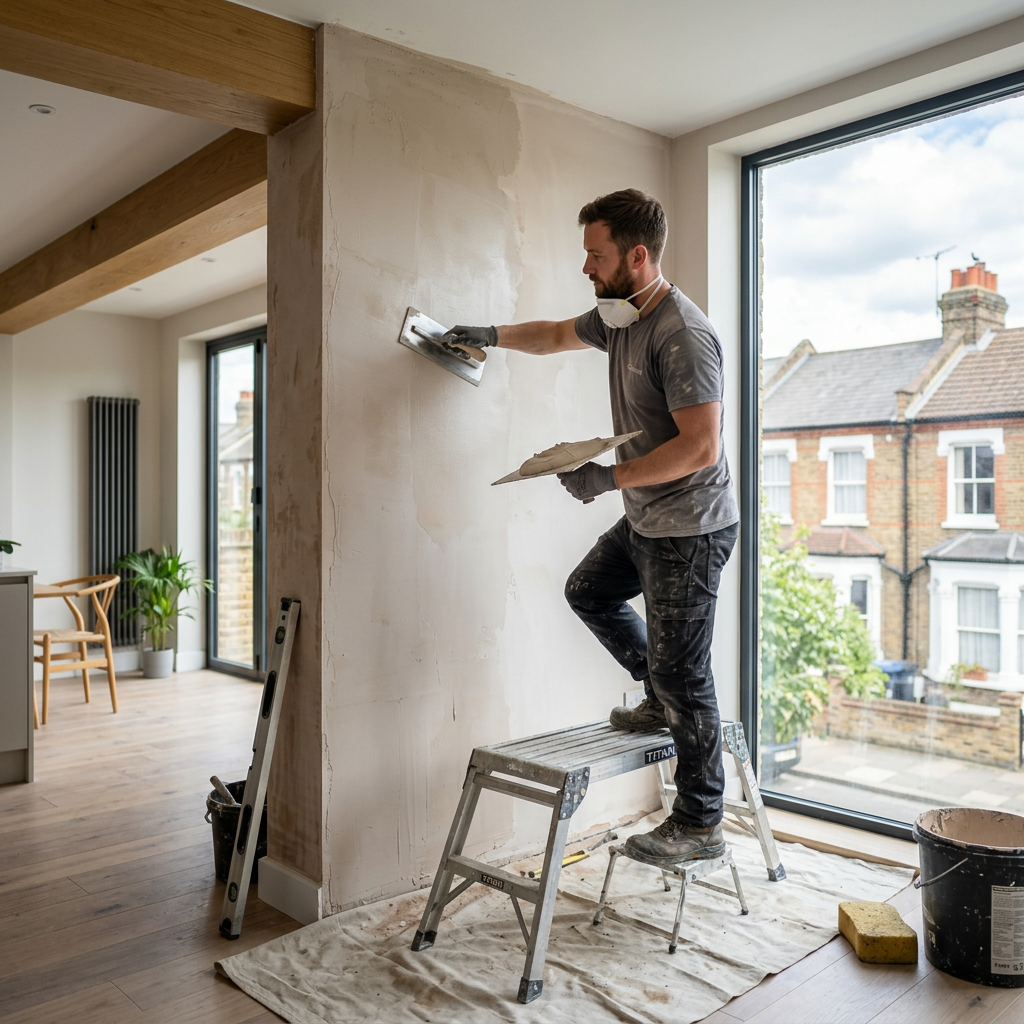
New Build Plastering: Common Problems and Solutions
The Surprising Reality of New Build Plastering
Imagine moving into your brand new home in vibrant Camden, only to notice unsightly cracks and uneven walls in mere weeks. For many London homeowners, this unfortunate scenario is more common than you think! Building regulations ensure that new homes are constructed properly, but plastering issues can arise from poor workmanship, climate conditions, or simply the settlement of your home. In this comprehensive guide, we’ll dive deep into some of the most common plastering problems faced in new builds and provide effective solutions to help you maintain the beauty and integrity of your walls.
Common Issues in New Build Plastering
When embarking on a new build project, it pays to be aware of potential plastering pitfalls. Here are some prevalent issues homeowners encounter:
1. Cracking
Cracking is perhaps the most frequent complaint. It can happen in the early days after plastering or develop over time.
- Sources of Cracking:
- Drying Shrinkage: As plaster dries, it can shrink and crack.
- House Settling: New homes settle, which can cause stress on plaster.
2. Uneven Surfaces
If the plaster is not applied evenly, it can result in noticeable bumps or dips. This is not only unsightly but can also affect paint finishes.
3. Poor Adhesion
Inappropriate surfaces can lead to plaster failing to adhere properly, resulting in peeling or flaking.
4. Moisture Damage
In areas like basements or bathrooms, moisture can wreak havoc on plaster, leading to mold growth and deterioration.
Solutions to Common New Build Plastering Issues
Now that we’ve identified some common problems, let’s explore practical solutions:
Solution 1: Addressing Cracks
- Small Cracks: For minor cracks, use a filler specific for plaster. Carefully apply to the crack, smooth it out, and repaint once dried.
- Large Cracks: Have a professional assess the cause. If it’s from settling, a local plasterer in your area might recommend additional support or reinforcement.
Solution 2: Ensuring Even Surfaces
- Hire an experienced plastering team like London Plastering Service who are skilled in achieving a smooth finish. Ask for samples or references to gauge workmanship.
Solution 3: Preventing Moisture Issues
- Ensure proper ventilation in high-moisture areas. Consider applying a waterproofing sealant prior to plastering in these locations.
- Regularly check for leaks in plumbing and seal any gaps around windows and doors.
Practical Tips for New Build Plastering Success
Whether you are managing a new build project yourself or overseeing professional plasterers, here are some actionable tips:
- Hire Skilled Professionals: Always demand experienced plasterers who understand local building codes and conditions in areas like Kensington and Chelsea.
- Choose the Right Materials: Different plasters are suitable for different environments (e.g., gypsum vs. lime). Make sure to do your research or consult a professional.
- Monitor Environmental Conditions: Ideal plastering conditions include a controlled environment free from extreme temperature shifts.
- Regular Maintenance: Conduct periodic inspections after moving in. Early detection of issues can save you a great deal in repairs later.
FAQ
Q1: What causes cracks in newly plastered walls?
A: Cracks are usually caused by the drying process, settlement of the house, or temperature fluctuations. It’s essential to address these issues early to prevent further damage.
Q2: How can I tell if my plaster is still curing?
A: Fresh plaster feels cool to the touch and may appear darker than the surrounding materials. As it cures, it will dry lighter in color and feel warmer.
Q3: What’s the average cost for plastering a new room in London?
A: Expect to pay around £500 to £1000 for standard room plastering, depending on size and existing conditions.
Q4: Can I DIY plastering in my new build?
A: While DIY is an option for small repairs, hiring professionals from London Plastering Service is recommended for major projects to ensure quality and reduce risk of future issues.
Q5: How do I prepare walls for plastering?
A: Ensure walls are clean, dry, and structurally sound. Using a bonding agent can help if you’re plastering over old surfaces.
Conclusion: Care for Your New Build with Expert Plastering
Navigating the world of new build plastering doesn’t have to be overwhelming. By being aware of common issues and proactive in seeking solutions, you can ensure your new home remains beautiful and functional for years to come. Whether dealing with cracking or uneven surfaces, don’t hesitate to connect with the experts at London Plastering Service for tailored assistance.
Transform your home today! Explore our Gallery to see the stunning transformations we’ve accomplished, or learn more about our team. Let’s create a perfect plaster finish that stands the test of time!
Related Plastering Guides & Services
Need Professional Plastering?
Get expert plastering services in London. Free quotes within 60 minutes.