
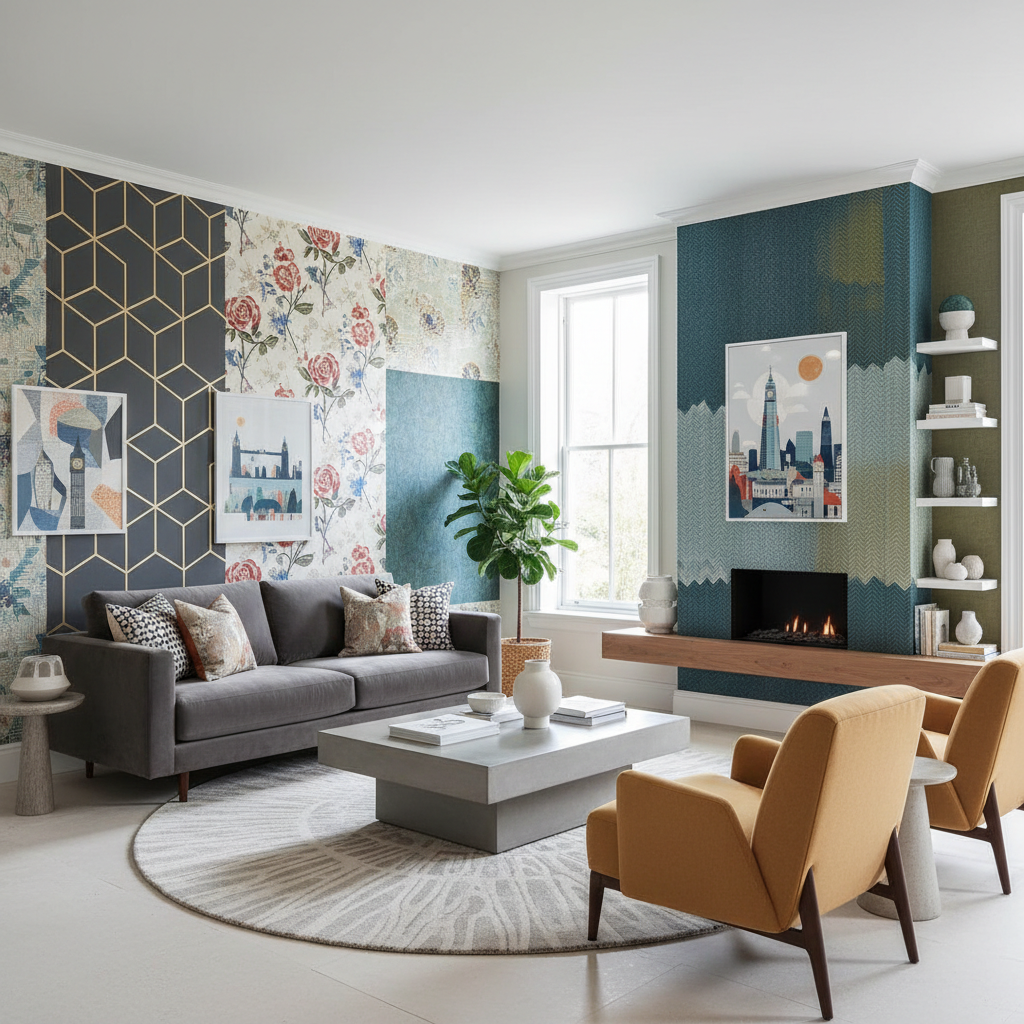
Mastering the Art of Wallpapering Over New Plaster
Mastering the Art of Wallpapering Over New Plaster
Introduction
Imagine this: you've just completed a home renovation in your cozy London flat. The walls are a fresh canvas of new plaster, smooth yet barren. You picture colorful wallpaper bringing vibrancy to the room, but you’ve heard mixed messages on whether you can actually hang it over fresh plaster. After all, nothing is worse than peeling or bubbling wallpaper ruining your newly designed space. Well, here’s the good news—hanging wallpaper over new plaster can be done correctly, with a bit of preparation.
In this post, we will walk you through the entire process, ensuring you won’t face future frustrations. Whether you're nestled in Camden with its eclectic culture or in the historic heart of Greenwich, let's get that wallpaper on those freshly plastered walls!
Why Wallpaper Over New Plaster?
New plaster creates a fantastic foundation for wallpaper. Its smooth finish means fewer imperfections to worry about, which can enhance the overall appearance of your chosen design. Here are some compelling reasons to consider this upgrade:
- Fresh Look: Instantly brightens and adds character to your space.
- Personal Style: Allows you to express your taste through various patterns and colors.
- Home Value: In a city like London, a well-decorated home can significantly attract potential buyers or renters.
Step-by-Step Guide: Wallpapering Over New Plaster
Step 1: Allow the Plaster to Cure
New plaster needs time to cure properly. Ideally, allow 2-4 weeks for it to dry completely depending on the thickness of your plaster. To test if it’s ready:
- Perform the 'water test': splash a small amount of water on the surface. If it absorbs quickly, it’s ready. If it beads up, let it dry further.
Step 2: Prepare Your Surface
Preparation is key to a successful wallpaper job. Here’s what to do:
- Clean: Use a damp cloth to remove any dust or debris.
- Seal the Plaster: Apply a mist coat (a mix of one part emulsion paint to three parts water) to seal the surface. This helps your wallpaper adhere better and prevents peeling. Allow it to dry completely—this may take about 24 hours.
Step 3: Gather Your Materials
Ensure you have everything on hand before starting:
- Wallpaper of your choice
- Wallpaper paste (check if it's suitable for new plaster)
- A wallpaper brush and smoothing tool
- A wallpaper cutter and a ruler
- A sponge and water for cleanup
Step 4: Measure and Cut Your Wallpaper
- Measure the height of your wall, adding a few extra centimeters for trimming.
- Cut your wallpaper strips accordingly. Always order extra in case of mistakes.
Step 5: Apply Paste
- If your wallpaper isn’t prepasted, generously spread the paste on the back using a brush or roller.
- Fold each strip in half (paste side in) for 5-10 minutes to allow it to activate.
Step 6: Hang the Wallpaper
- Start by peeling down a section of the backing from the top of the wallpaper strip.
- Align the paper with the edge of the wall, ensuring it’s straight.
- Smooth down using the smoothing tool, working from the center outward to avoid air bubbles.
- Repeat with additional strips, ensuring patterns match up where necessary.
Step 7: Finish the Edges
- Use a ruler and a knife to trim around corners and edges. Clean any excess paste with a damp sponge before it dries.
Step 8: Final Touches
- Allow your wallpaper to dry. This may take a day or two, and during this time, avoid touching the surface.
Practical Tips for Success
- Temperature Control: Ensure your room is at a comfortable temperature during application, ideally between 18-22°C.
- Check for Flaws: Inspect the plaster before wallpapering. If you notice any imperfections, consider Wall Skimming London services.
- Consider Professional Help: If wallpapering feels out of your comfort zone, consider London Plastering Service for guidance.
FAQ
1. How long do I need to wait before wallpapering over new plaster?
You should wait about 2-4 weeks for new plaster to cure completely. This gives the material time to dry sufficiently and reduces the risk of moisture-related issues later on.
2. What type of wallpaper should I use on new plaster?
Non-woven wallpaper is a great choice as it allows moisture to escape and is easier to apply. Ensure you use paste that is compatible with new plaster.
3. Can I wallpaper directly on damp plaster?
No, it is essential to wait until the plaster is completely dry. Hanging wallpaper on damp plaster can lead to mold growth and bubbling.
4. Will wallpaper stick to freshly painted plaster?
Yes, wallpaper can adhere to painted plaster, but make sure to seal the paint with a mist coat if the plaster is new to ensure good adhesion.
5. How much will it cost to wallpaper over new plaster?
Costs vary depending on the wallpaper type and room size, but you can expect to pay between £200-£800 for materials and labor in London.
Conclusion
Wallpapering over new plaster can be a rewarding process when done correctly. With careful preparation and attention to detail, you can transform your walls into a stunning backdrop that reflects your personal style. If you’re in the London area and prefer a professional touch, check out our gallery for ideas, or contact the experts at London Plastering Service for assistance. Let’s make your interior spaces as beautiful as they can be!
Ready to get started? Grab those supplies, summon your creativity, and let’s wallpaper your walls with confidence!
Call-to-Action
Need help with your new plaster or wallpaper installation? Connect with us at London Plastering Service today for a free consultation and let’s plan your dream interior together!
Related Plastering Guides & Services
Need Professional Plastering?
Get expert plastering services in London. Free quotes within 60 minutes.