
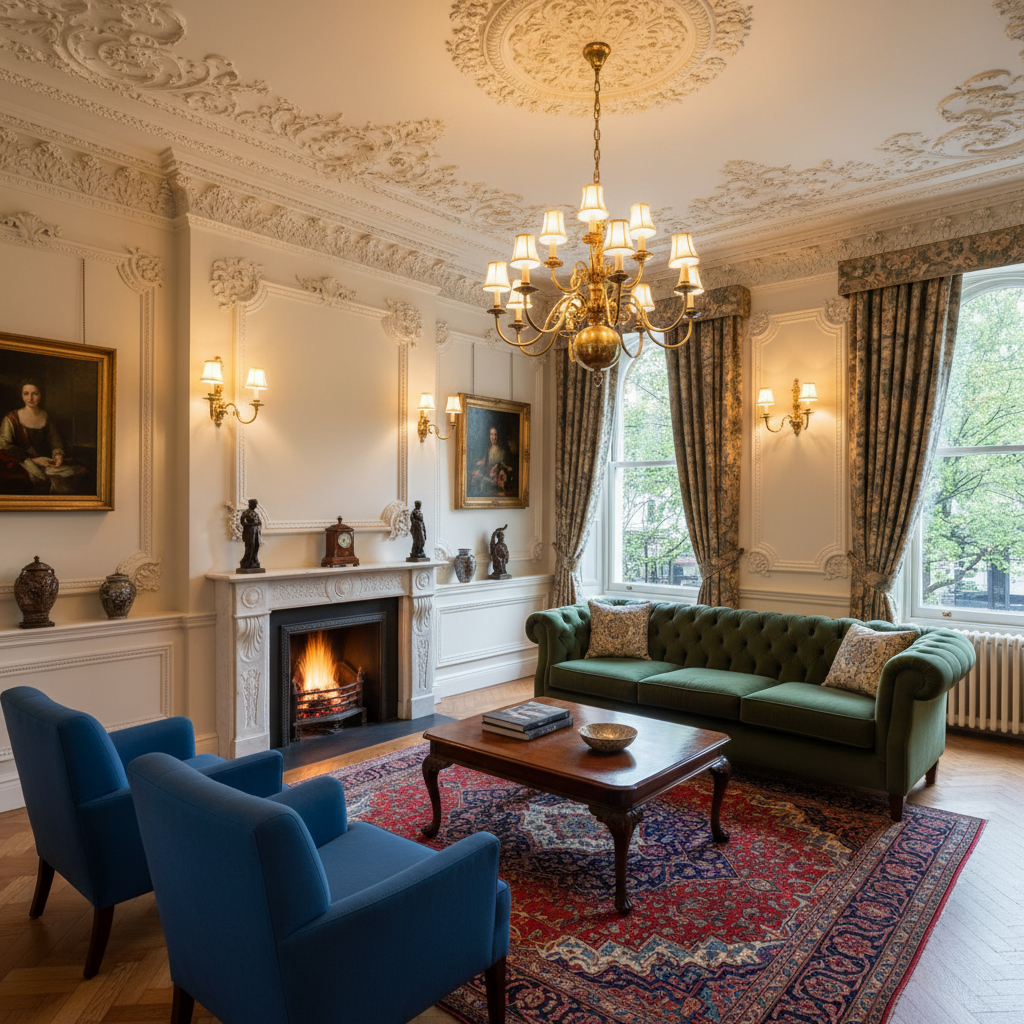
Mastering Period Property Plastering in London Homes
Mastering Period Property Plastering in London Homes
If you've ever walked through the historic streets of London, you likely noticed some of the city’s magnificent period properties showcasing intricate plasterwork—the very soul of British architecture. Imagine living in one of those stunning homes, only to discover peeling walls and cracking ceilings. Suddenly, your dream historical abode could feel more like a nightmare! Fear not, because at London Plastering Service, we specialize in bringing these period treasures back to life!
This guide will unravel why specialized plastering for period properties is essential and how you can restore your home to its former glory. From Victorian terraced houses in Clapham to Georgian flats in Notting Hill, we’ve got you covered with expert tips and guidance.
Why Choose Period Property Plastering Specialists?
Period properties possess unique architectural features and materials that require a nuanced approach to plastering. Here are some reasons why hiring specialists is crucial:
Unique Building Materials
- Lime-based Mortar: Unlike modern materials, many period properties were built using lime-based mortar. Regular plaster can cause damage to these materials.
- Different Textures: Historical homes often have ornate plaster designs that need skilled artisans to replicate or preserve.
Preservation of History
- Maintaining Authenticity: Using the correct techniques ensures that the historical charm is maintained, which can significantly affect property value.
- Regulatory Compliance: Many period properties are listed, which means they are protected under law and require specialized skills to work on them.
Enhanced Property Value
Investing in proper restoration not only maintains the aesthetic but can enhance the overall value of the property, keeping it attractive to potential buyers or tenants.
Common Issues Faced by Period Properties
1. Cracking Walls and Ceilings
As time passes, settling can cause cracks, particularly in the intricate ceilings typical of Victorian and Edwardian homes.
2. Damp Problems
London’s climate can exacerbate damp conditions, leading to flaking and crumbling plaster if not addressed promptly.
3. Layer Build-up
Older homes often have multiple layers of paint and plaster which can add unnecessary weight and lead to structural issues.
Practical Tips for Period Property Plastering
Choosing the Right Specialist
When searching for plasterers, consider the following:
- Experience with Period Properties: Ensure they have a portfolio showcasing their work on similar properties.
- Materials Used: Ask about their choices of materials, emphasizing eco-friendly options that won’t damage the building fabric.
- Reputation: Check reviews and ask for references.
Step-by-Step Plastering Process
- Initial Assessment: Inspect the area for signs of damp and structural integrity.
- Preparation: Clean surfaces, remove any loose material, and apply a damp-proofing agent if necessary.
- Reinforcement: Use mesh or fibreglass tape for cracks, ensuring long-lasting repair.
- Application of Plaster: Apply matching plaster, feathering edges to blend seamlessly with the existing structure. Use tools suited for the specific texture.
- Finishing Touches: Once dry, sand down and finish with traditional methods or paint that respects the property’s history.
Maintenance Tips for Longevity
- Regularly check for dampness, especially after heavy rains.
- Use breathable paints and avoid moisture-trapping materials.
- Conduct annual inspections to catch issues early.
Get a glimpse of our work to see the elegance restored in London’s period properties!
FAQ
What’s the best plastering approach for old houses?
Answer: Lime plaster is often recommended because it allows the building to breathe. It's flexible and better suited to the expansion and contraction that old buildings experience.
How much does plastering a room in a period property cost in London?
Answer: The cost varies depending on the size and state of the room. Generally, you can expect to pay around £50 to £80 per square meter for professional plastering in London.
Can I do plastering myself in a period property?
Answer: While some DIY enthusiasts may attempt it, period property plastering requires specialized knowledge of materials and techniques to avoid damaging historical features. It’s advisable to consult professionals.
How long does plastering take?
Answer: For a standard-sized room, you can expect the plastering process to take one to two days, depending on the extent of work needed. It often requires time to cure before painting (usually about 2-4 weeks).
What if I find hidden damage behind the plaster?
Answer: If you suspect hidden damage, it’s crucial to consult your plastering specialist. They can repair or replace any underlying structures or deal with damp issues before proceeding with fresh plastering.
Conclusion
Restoring and maintaining period properties in London is an art form that balances respect for historical integrity and practicality. Choosing skilled plasterers in your area can transform your home, ensuring it stands proudly for generations to come.
Are you ready to breathe life into your period property? Reach out to London Plastering Service today for a consultation with our dedicated team. Our experts guarantee quality craftsmanship tailored to your unique home.
Gain insights and further tips in our blog for even more plastering guidance!
Related Plastering Guides & Services
Need Professional Plastering?
Get expert plastering services in London. Free quotes within 60 minutes.