
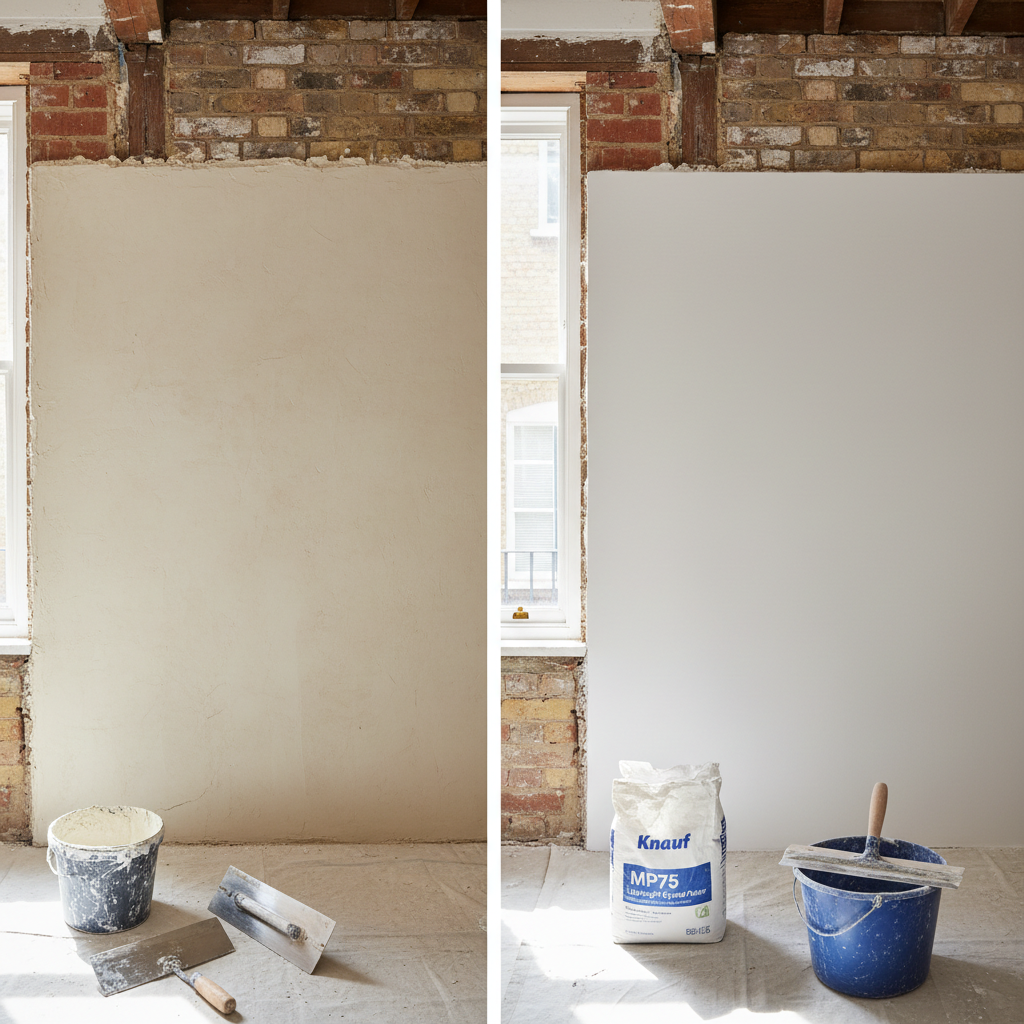
Lime Plaster vs Modern Gypsum: Pros and Cons for London Homes
Lime Plaster vs Modern Gypsum: Pros and Cons for London Homes
Imagine walking into your beautifully renovated London home, surrounded by the elegant charm of historical plasterwork or the sleek finish of modern materials—both offering unique aesthetics and functionality. As homeowners, we often face the decision of choosing between the traditional allure of lime plaster and the efficiency of modern gypsum plaster. In this guide, we'll delve deeply into the pros and cons of lime plaster versus modern gypsum, specifically tailored for homeowners in London, including pricing estimates and practical tips for your next plastering project.
The Allure of Plaster: An Overview
Plastering has been an integral part of interior aesthetics for centuries, shaping the very essence of architectural beauty in homes. With London’s mix of historical and contemporary buildings, understanding whether lime plaster or modern gypsum is right for you is crucial for achieving your desired look and functionality.
What is Lime Plaster?
Lime plaster is made from natural lime and aggregates, giving it a breathable quality that makes it ideal for older properties. Its flexibility and durability contribute to its longevity, especially in humid environments like those often found in certain London boroughs, such as Greenwich and Islington.
What is Modern Gypsum Plaster?
Gypsum plaster, on the other hand, is a synthetic material that dries quickly and provides a smooth finish, perfect for the fast-paced world of modern renovations. It's commonly used in newer properties and many flats across Southwark and Hackney.
Pros and Cons of Lime Plaster
Pros:
- Breathability: Lime plaster allows moisture to escape, which helps prevent issues like mold and damp—a common concern in London homes.
- Flexibility: It can accommodate minor building movements, reducing the risk of cracking.
- Eco-Friendly: Lime is a natural material, making it a great choice for environmentally conscious homeowners.
- Aesthetic Appeal: It can provide a unique texture and finish that adds character to a home.
Cons:
- Longer Drying Time: Lime plaster can take longer to dry, which can extend project timelines.
- Requires Skill: Application can be more complex, necessitating skilled plasterers who specialize in traditional methods.
- Higher Initial Cost: Typically, the cost for lime plastering can be around £45-£65 per square meter.
Pros and Cons of Modern Gypsum Plaster
Pros:
- Quick Application: Gypsum plaster sets rapidly, allowing for faster renovations and shorter downtimes.
- Smooth Finish: It provides a very flat and polished surface, ideal for modern interiors.
- Cost-Effective: Generally, gypsum plastering costs around £30-£50 per square meter, making it a budget-friendly option for many.
Cons:
- Less Breathability: Gypsum can trap moisture, making it unsuitable for older properties that require moisture control.
- Susceptible to Cracking: It may be less flexible and more prone to cracks under movement.
- Synthetic Material: Being man-made, it may not appeal to those looking for natural building solutions.
Practical Tips for Choosing Between Lime and Gypsum Plaster
When considering whether to choose lime or gypsum plaster, here are some actionable tips:
- Assess Your Home's Age and Condition: If your home is older with historical significance—especially in areas like Kensington or Chelsea—lime plaster may be better suited.
- Understand the Humidity Levels: For properties in high-moisture areas, lime plaster’s breathability can be a critical factor.
- Consider Timeframes: If you need a quick turnaround, modern gypsum may fit your project timeline better.
- Budget Accordingly: Factor in both material and labor costs when making your decision; use quotes from reputable services like London Plastering Service.
FAQ
What is the best plaster for damp conditions?
Lime plaster is often recommended for damp conditions since it lets moisture escape, reducing the chance of mold growth. Gypsum plaster, on the other hand, can trap moisture and may contribute to damp problems in older buildings.
How long does plaster take to set?
Lime Plaster typically requires several days to set fully due to its slower drying times, whereas gypsum plaster can set in just a few hours. However, both types require a final cure time to achieve their full strength.
Can I apply lime plaster over gypsum plaster?
It is not advisable to apply lime plaster over gypsum plaster because the two materials react differently to moisture and may not adhere properly.
What are the costs associated with plastering in London?
The costs can vary widely depending on the type of plaster used. Expect to spend approximately £30-£65 per square meter, including materials and labor. Always request multiple quotes for the best prices.
How do I find local plasterers near me?
You can find local plasterers by using directories or platforms like PlasterersNearMe, which can help you connect with trusted professionals in your area.
Conclusion: Making Your Choice
Understanding the differences between lime and modern gypsum plaster is essential for any renovation project. While lime plaster offers a breathable solution crucial for older homes, gypsum plaster provides a seamless finish ideal for rapid renovations in modern properties.
In the end, the best choice will depend on your home’s specific needs, budget, and personal taste. Whether you're located in Bromley, Wandsworth, or Tower Hamlets, our dedicated team at London Plastering Service is here to guide you through your options.
Ready to bring your redecoration project to life? Contact us today for a free consultation and see what we can do for your London home!
Related Plastering Guides & Services
Need Professional Plastering?
Get expert plastering services in London. Free quotes within 60 minutes.