
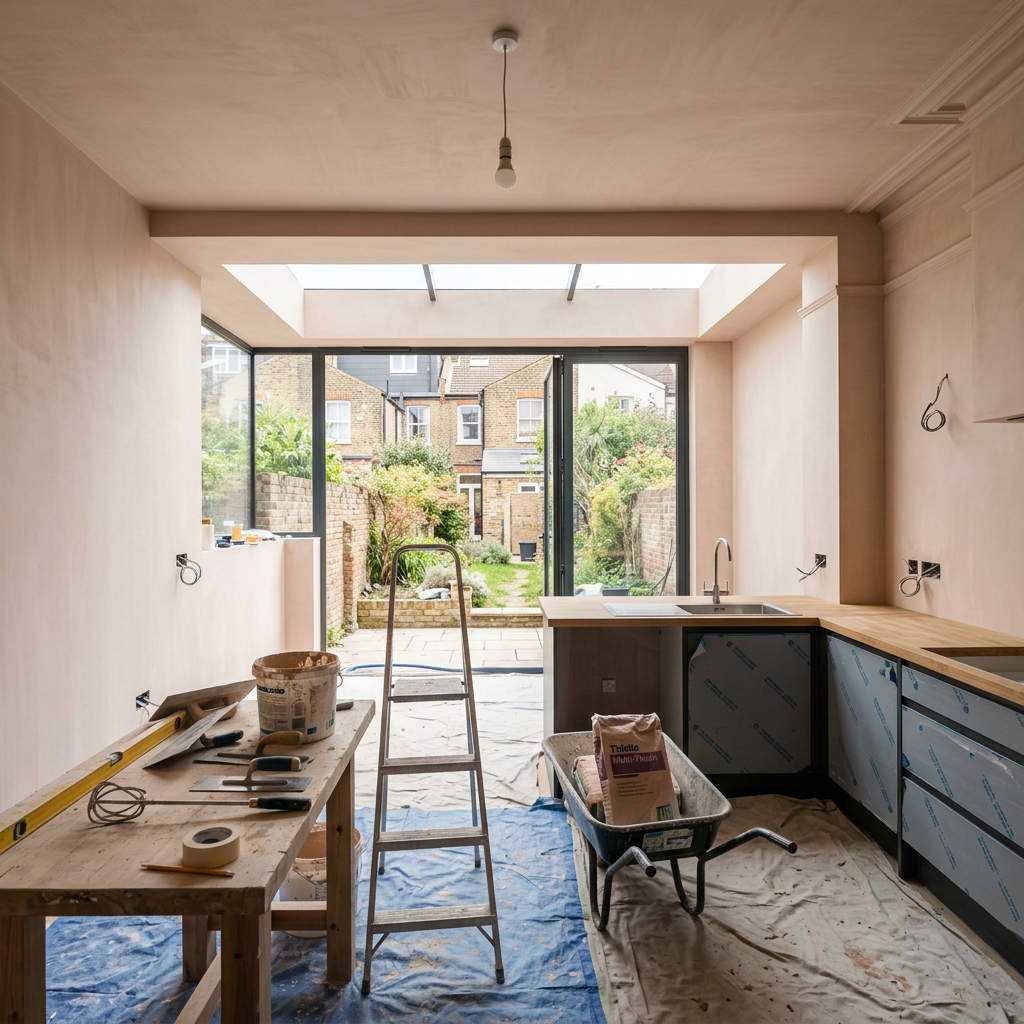
Kitchen Extension Plastering: What to Expect and How to Prepare
Kitchen Extension Plastering: What to Expect and How to Prepare
Picture this: You've finally decided to undertake that long-awaited kitchen extension, eagerly anticipating a bright, spacious area where you can cook, dine, and gather with friends and family. However, as you dive into the logistics, the word ‘plastering’ comes up more often than you expected. What does it really entail? How can you ensure that your new space not only looks stunning but also withstands the test of time? In this blog post, we’ll walk through everything you should expect when navigating the plastering phase of your kitchen extension. From timeline expectations to practical tips, we've got you covered!
The Importance of Plastering in Your Kitchen Extension
Before we delve into the nitty-gritty, let’s take a moment to understand the importance of plastering in the context of your kitchen extension. Proper plastering serves several key functions:
- Aesthetic Appeal: A smooth, even finish transforms bare walls into a polished backdrop for your kitchen.
- Moisture Resistance: Correctly applied plastering can help combat moisture from cooking, essential in a kitchen environment.
- Surface for Painting and Finishing: It provides a ready surface for painting or wallpapering, making it easy to create the perfect ambiance.
With that in mind, let's break down the process.
What to Expect During Kitchen Extension Plastering
Pre-Plastering Preparations
Before the plastering actually begins, several prep steps are taken:
- Clearing the Area: Make sure the area is clear of furniture and fixtures to allow for easy access during the plastering process.
- Fixing Structural Issues: Address any cracks, damp areas, or structural repairs needed prior to plastering. Your team may conduct a thorough inspection before proceeding.
- Choosing the Right Materials: Depending on the kitchen's location (like in moist areas of London such as Southwark or Clapham), your plasterer may recommend specific types of plaster resistant to humidity.
The Plastering Process
The actual plastering process typically unfolds as follows:
1. Skimming
- Application of Skim Coat: This is crucial for walls receiving a new finish. A thin layer of plaster is applied using a trowel to create a smooth surface.
2. Drying Time
- 24-48 Hours: The plaster needs adequate time to dry before any painting or finishing work. London’s climate can affect drying time; cooler, damp weather may extend this period.
3. Sanding and Finishing
- Final Touches: Once dry, the plaster is sanded to achieve an ultra-smooth surface, ready for decorating.
Timeline Estimation
The timeline for plastering varies based on the size of the extension:
- Small-sized Kitchen (15-20 square meters): Approximately 2-3 days.
- Medium-sized Kitchen (20-40 square meters): Estimated 3-5 days.
- Larger Spaces (over 40 square meters): Can take up to a week or more.
Pricing Details
In terms of costs, expect to pay between £800 to £2,500 depending on the space size and the extent of plastering required. Factors influencing pricing include:
- Complexity of the job
- Amount of preparation needed
- Type of plaster used
Practical Tips for Homeowners in London
Here are some practical, actionable tips for homeowners considering a kitchen extension plastering:
- Hire Experienced Plasterers: Always consider hiring local experts such as London Plastering Service to ensure high-quality results.
- Assess Your Space: Take before photos and measure your walls; this helps when discussing with your plastering team.
- Budget for Finishes: Remember that plastering is just the beginning; you’ll also need a budget for paint, wallpaper, and potential décor additions.
- Schedule Wisely: Try to schedule the plastering phase after major structural work is complete, ensuring the space is ready.
FAQ
What type of plaster is best for a kitchen?
For kitchens, a moisture-resistant plaster like thistle board finish plaster is highly recommended. It provides durability against humidity, which is critical in cooking areas.
How long does plaster take to dry?
Typically, plaster can take 24 to 48 hours to dry completely, but factors like humidity and thickness can impact this duration. Always consult with your plasterer for specifics.
Can I paint over newly plastered walls immediately?
No, it's crucial to wait until the plaster is fully dry before painting. If you paint too soon, the moisture may cause the paint to peel.
Should I DIY or hire a professional for plastering?
For optimal results, especially in a kitchen, hiring a professional is advisable. While DIY may seem tempting, achieving a smooth, even finish requires skill and experience.
Can plastering help with insulation?
Yes, specific types of plaster can improve insulation properties when combined with insulating board, which might be beneficial for energy efficiency in your kitchen extension.
Conclusion
Plastering is an integral part of creating a stunning and functional kitchen extension, helping to lay the groundwork for your vision. Armed with this knowledge, you are now better prepared to navigate the plastering process in London.
Don’t forget to choose reliable local professionals who can help bring your dream kitchen to life. To explore our services further, visit our Gallery to view completed projects or check out our About page for more information on our professional plastering team. Need local plasterers? Check our PlasterersNearMe section for help in your area. Let's get your kitchen extension started today!
Related Plastering Guides & Services
Need Professional Plastering?
Get expert plastering services in London. Free quotes within 60 minutes.