
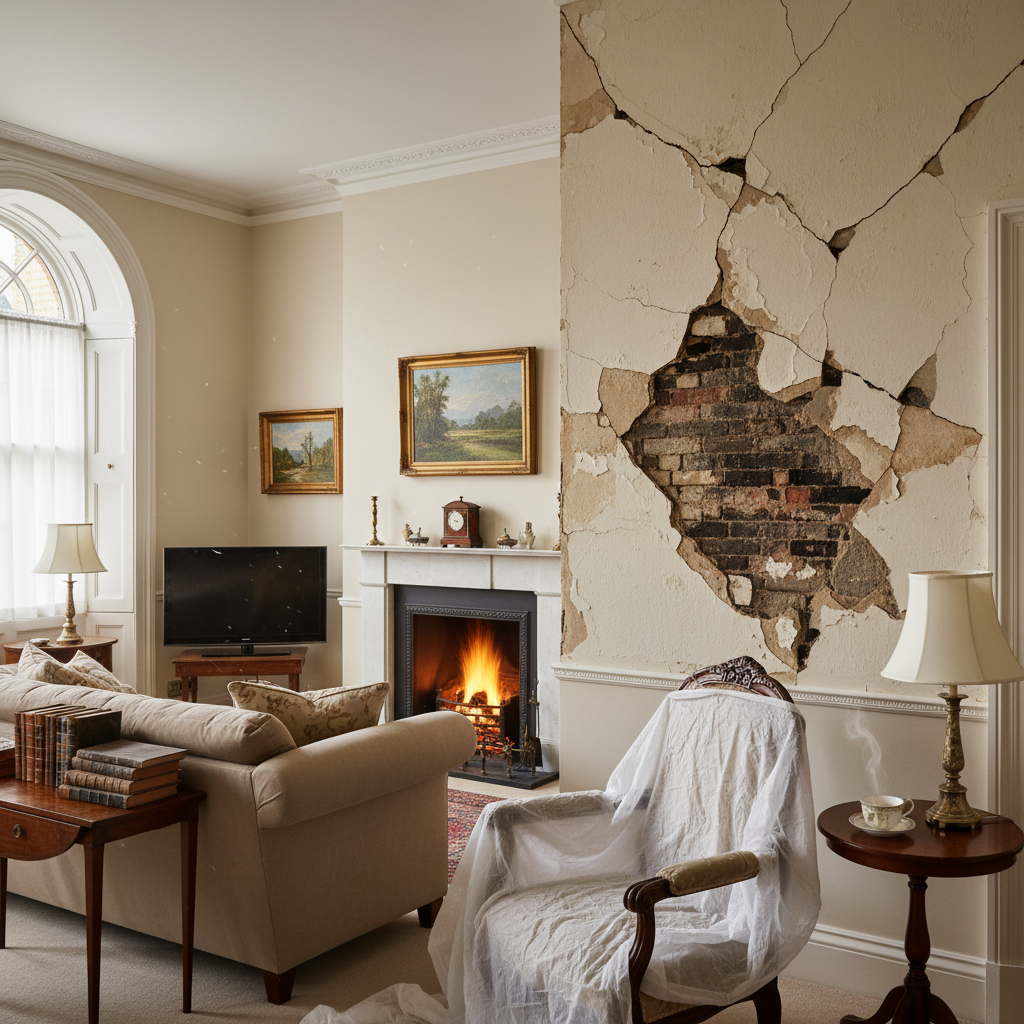
How to Tell if Plaster Needs Replacing in an Old House
How to Tell if Plaster Needs Replacing in an Old House
Imagine moving into an old Victorian house in Richmond, with its beautiful period features, only to discover that the elegant plasterwork is starting to crumble. If you’re a homeowner or landlord in London, especially in historic areas, this might sound familiar. Poor plaster can not only look unsightly but also lead to damaging issues if left unchecked. Understanding when plaster needs replacing can save a lot of money and hassle down the line.
In this guide, we’ll explore how to identify signs that plaster needs replacing, relevant conditions in London homes, and when to contact a professional plastering team, like London Plastering Service. Let’s dive in!
Signs That Plaster Needs Replacing
It's essential to identify issues with your plaster early to prevent further damage. Here are several signs to look out for:
1. Cracks and Voids
- Hairline Cracks: Common in old plaster, these cracks can indicate settling in the building. If they’re minor, they can often be repaired, but larger cracks might be a sign of deeper issues.
- Large Cracks: If cracks are wider than 5mm or are expanding, this might require a professional assessment.
- Voids: If you tap on the plaster and hear hollow sounds, this suggests that the bond between the plaster and wall has failed.
2. Damp and Water Damage
- Brown Stains: Water stains or efflorescence (white chalk-like marks) could mean moisture is seeping through, leading to further deterioration.
- Peeling or Blistering: If you see peeling paint or blistering walls, this indicates significant moisture damage that may necessitate plaster replacement.
3. Flaking or Bubbling
- Surface Flaking: If the surface of the plaster is flaking off, it indicates that it is no longer adhering well to the substrate.
- Bubbles: If there are bubbles appearing on the surface, this is a clear sign that moisture is trapped underneath.
4. Loose or Missing Plaster
- Sections of Plaster: Check for any areas where plaster may have fallen off completely or is loose. This can be common in older homes across neighborhoods such as Camden and Islington.
- Touch Test: Gently tap areas of the wall with your knuckles; if parts sound hollow, this might indicate damage beneath.
When to Consider Replacement
The decision between repair and replacement can depend on several factors:
- Extent of Damage: If damage is localized, targeted repairs might suffice. However, widespread damage often requires complete replacement.
- Building Structure: If cracks coincide with movement in the building structure (e.g., sagging floorboards), replacement is advisable.
- Plaster Age: In older homes built before the 1950s, out-of-date plaster materials might not hold up to modern expectations and could warrant replacement.
Practical Tips for Homeowners
Here are some actionable steps to assess and potentially replace your plaster:
- Conduct a Thorough Inspection: Start in the most vulnerable areas, like basements, bathrooms, and kitchens where water damage is most likely.
- Record Findings: Document the location and extent of damage. High-quality photos can help when consulting professional plasterers in your area.
- Choose the Right Time: Consider doing work during warmer months. Plaster dries best in drier, warmer weather.
- Hire Professional Help: For extensive damage, it’s often best to consult professionals. Check out our Gallery to see our completed projects!
- Get Multiple Quotes: Prices for plaster replacement can range widely, with estimates around £40-£60 per square meter for plastering services in London. Make sure to get a few quotes to compare.
FAQ
1. How often should I check my plaster?
It’s good practice to check plaster at least once a year, especially in older homes. Pay attention to areas around windows, doors, and plumbing fixtures.
2. Can I repair plaster myself?
Minor repairs like filling small cracks or flaking surfaces can be done by homeowners. However, significant repairs or complete replacements are best left to professionals. Visit our About page to learn about our professional plastering team.
3. What are the costs associated with replacing plaster?
Costs can vary widely depending on the severity of damage and local labor rates. On average, you might expect to pay between £40 and £80 per square meter for replacement in London.
4. How long does plaster replacement take?
Typically, the process can take from one day to a week, depending on the scope of work and drying times.
5. What is the difference between plaster and drywall?
Plaster is a traditional material that provides a hard finish, while drywall is a modern substitute made from gypsum board, which some homeowners opt for due to ease of installation.
Conclusion
Identifying when plaster in your old home needs replacing can seem daunting, but recognizing the signs early can save you time, money, and headaches. Whether your home is in Hackney or Chelsea, it's crucial to address any issues promptly and consult professionals when needed.
If you suspect your plaster needs attention, don’t hesitate to reach out to our expert team at London Plastering Service for a consultation. Preserve the beauty and integrity of your historic London home today and explore our Blog for more plastering tips and guides!
Related Plastering Guides & Services
Need Professional Plastering?
Get expert plastering services in London. Free quotes within 60 minutes.