
How to Stop Plaster Blowing on Internal Walls Effectively
How to Stop Plaster Blowing on Internal Walls Effectively
Have you ever walked into your living room in London and noticed strange bumps or flaking on your walls? You’re not alone. Many London homeowners face the frustrating issue of plaster blowing, which can turn your beautifully decorated space into an eyesore. You may think it’s just an aesthetic problem, but it can signal underlying moisture issues or poor application, leading to costly repairs if left unaddressed. In this comprehensive guide, we’ll dive into the causes of plaster blowing on internal walls and share actionable tips on how to stop it effectively.
Understanding Plaster Blowing
Before we get into how to fix plaster blowing, it’s crucial to understand what causes it. Plaster blowing occurs when moisture gets trapped behind the plaster layer, leading to the plaster separating from the wall. This can create unsightly bubbles or even cause entire sections to fall off. Here are some common factors contributing to this issue:
- Moisture Intrusion: Water can seep into the walls from leaks, damp soil, or even condensation.
- Poor Preparation: If the wall was not properly prepared before plastering, it might lead to inadequate adhesion.
- Substandard Materials: Using low-quality plaster or wall coverings can exacerbate the problem.
- Temperature Changes: Sudden shifts in temperature can also contribute to the issue, especially in poorly insulated homes.
Assessing the Damage
Preliminary Inspection
Before taking any action, inspect the affected areas:
- Look for bubbling or flaking plaster.
- Test if the area feels damp or cold—indicative of moisture issues.
- Assess whether the plaster is adhering well to the wall.
Localized Damage vs. Widespread Issues
Determine if the plaster problem is localized (affecting a small area) or widespread. Minor spots can often be repaired, while extensive damage might require a complete redo. In tight spaces like those found in Islington, dealing with moisture can be more complex due to less airflow.
Practical Tips to Stop Plaster Blowing
Here are actionable steps you can take to address blowing plaster:
1. Identify and Fix the Moisture Source
- Inspect for leaks: Check pipes, roofs, and windows. Ensure there are no visible leaks or signs of water damage.
- Use a moisture meter: Purchase a moisture meter to measure the dampness in your walls. A reading above 15% can indicate a problem.
- Improve ventilation: Ensure your home has good airflow, especially in high-moisture areas like bathrooms and kitchens.
2. Prepare the Wall Before Replastering
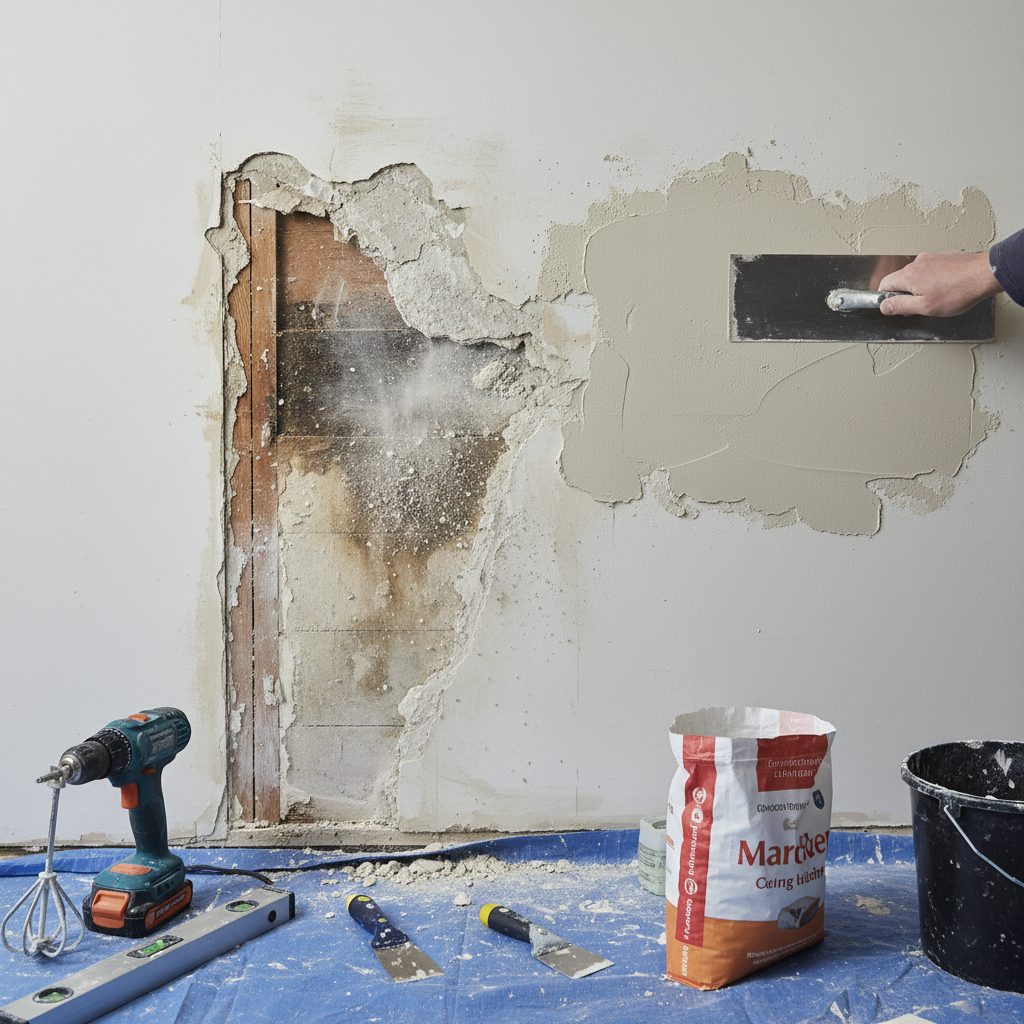
- Remove damaged plaster: Use a chisel to carefully remove flaky plaster from the wall.
- Clean the surface: Ensure the wall is clean and free from dust and debris. Consider using a wire brush to scrub the area thoroughly.
- Prime the wall: Apply a damp-proof primer before replastering to prevent future moisture problems. This step is crucial for homes in damp-prone boroughs such as Lambeth.
3. Replastering Techniques
- Use quality materials: Invest in high-quality plaster that ensures good adhesion.
- Apply in layers: If applying multiple layers of plaster, allow each layer to dry completely before adding the next. This helps prevent moisture from getting trapped.
- Consider skimming: If your plaster damage is minor, you might be able to use a wall skimming technique to cover imperfections without complete removal. If you're interested in wall skimming, check out our Wall Skimming Services.
4. Post-Repair Care
- Monitor humidity levels: Invest in a dehumidifier if your area generally has high humidity levels. This will further prevent moisture buildup.
- Regular inspections: Keep an eye on your internal walls periodically for any signs of new damage or moisture.
- Seasonal maintenance: During the colder months, be conscious of temperature fluctuations within your home that may lead to condensation.
FAQ
What are common signs of plaster blowing?
Common signs include visible bubbles or bumps in the plaster, flaking or peeling paint, and dampness in the affected areas. Touching the plaster may reveal a hollow sound or feel soft, indicating detachment from the substrate.
Can I fix plaster blowing myself?
Yes, if the damage is minimal, homeowners can often DIY small repairs. Ensure you have the right tools and materials. However, for extensive damage or persistent moisture issues, it's best to consult a professional plasterer. You can find local plastering experts in your area by visiting Plasterers Near Me.
How much will it cost to repair blown plaster in London?
Repair costs can vary widely depending on the extent of damage. Minor repairs might cost £100-£300, while extensive replastering could set you back £500-£1,500 or more. Always get a few quotes before proceeding.
How can I prevent plaster blowing in the future?
To prevent plaster blowing, ensure that you maintain proper ventilation, regularly check for leaks, and use quality materials during repairs. Regular maintenance is key, especially in areas prone to dampness like Bermondsey.
Is it necessary to hire a professional plasterer?
While minor repair jobs can be handled by homeowners, hiring a professional ensures that the work is done correctly and with the right materials. Our about page features more on our professional team that can help with your plastering needs.
Conclusion
Having blown plaster is more than a mere nuisance; it can lead to bigger issues in your home if not addressed promptly. By identifying moisture sources, preparing your walls correctly, and using quality materials, you can effectively stop plaster blowing on your internal walls. Don't let plaster problems detract from your home's beauty and value! If you're ready to take action but need professional help, contact us at London Plastering Service for a consultation today. Let us help you restore your home to its former glory!
For more plastering tips and guides, visit our blog.
Related Plastering Guides & Services
Need Professional Plastering?
Get expert plastering services in London. Free quotes within 60 minutes.