
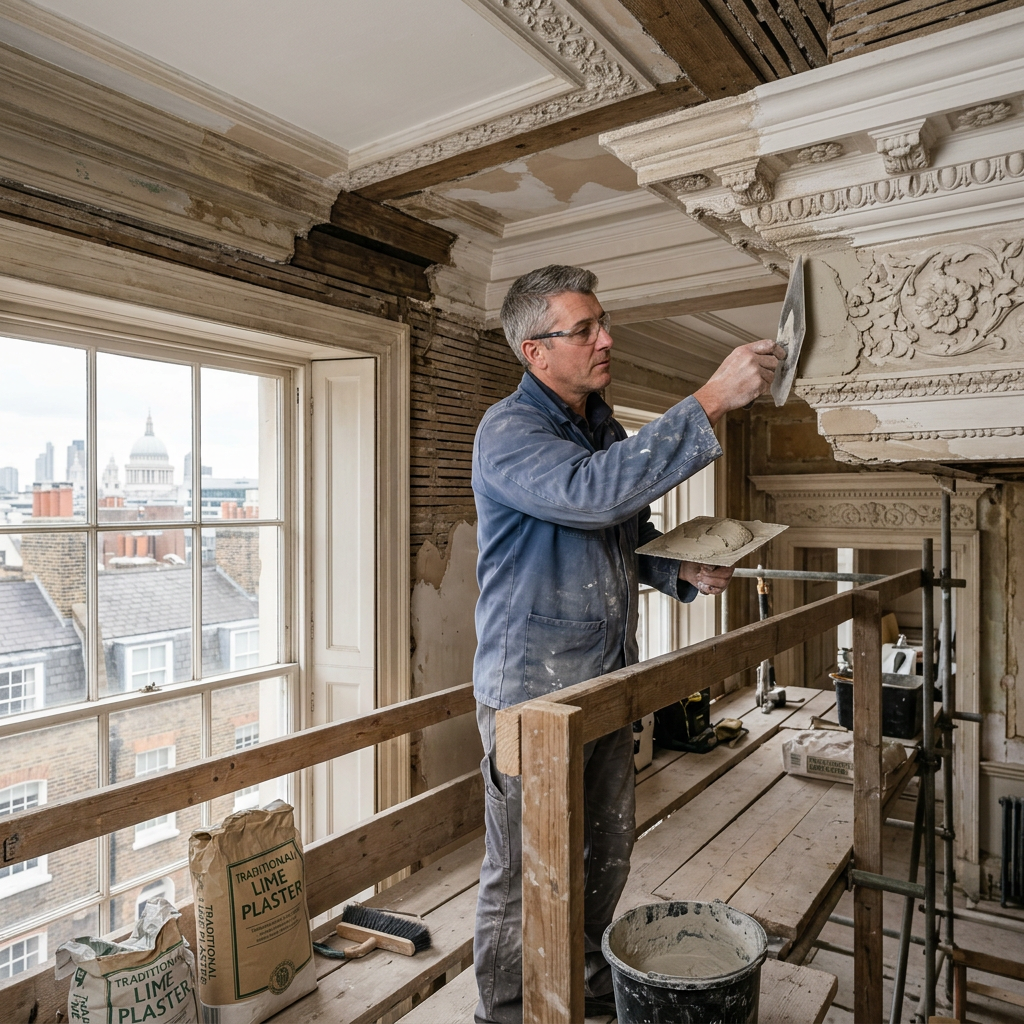
How to Plaster a Listed Building Legally in the UK
How to Plaster a Listed Building Legally in the UK
Imagine you’ve just purchased a charming, historic flat on the bustling streets of Kensington, filled with character and timeless elegance. It’s all too easy to get swept up in the charm of your new home, but then reality hits. You discover that the plastering in your new abode is crumbling and needs urgent attention. As you start planning repairs, a thought occurs to you: how can I ensure I’m preserving this beautiful, listed building while making necessary updates?
In the UK, particularly in London, where history intermingles with modernity at every corner, owners of listed buildings must navigate strict regulations. Successfully plastering a listed building isn't just about aesthetics and upkeep; it's essential to adhere to legal requirements that protect the structure's historical significance. This comprehensive guide walks you through the process of plastering a listed building legally in the UK, with practical tips and insights from our team at London Plastering Service to help you preserve your slice of history.
Understanding Listed Buildings
Before diving into the nitty-gritty of plastering, let's clarify what a listed building is. In the UK, these structures are protected by law due to their architectural and historical importance. They fall into three categories:
- Grade I: Buildings of exceptional interest (2.5% of listed buildings).
- Grade II*: Particularly important buildings of more than special interest (5.5%).
- Grade II: Buildings of national importance and special interest (92%).
If your property is listed, you must be aware that any alterations, including plastering, may require listed building consent from your local council.
Legal Requirements for Plastering a Listed Building
When considering plastering for your listed building in London, follow these essential steps to ensure compliance:
1. Check the Listing Status
Before proceeding, confirm the listing status of your building on the UK Government's National Heritage List for England. If in doubt, contact your local council.
2. Seek Listed Building Consent
Most alterations will not only need planning permission (if the building is in a conservation area) but also listed building consent. This applies to:
- Structural alterations: Removing or altering plaster that is original or historic.
- Traditional materials: Ensure you're using lime-based products instead of modern cement, as these also allow the building to breathe.
Start by filling out the application form available from your local planning authority and provide clear details on what you intend to do. Include materials specifications, drawings, and reasoning for the work.
3. Employ Specialists
For projects involving historical buildings, hiring experienced plasterers who understand the intricacies of listed buildings is crucial. Our team at London Plastering Service specializes in this area, ensuring both legality and aesthetic integrity during renovations.
Step-by-Step Guide to Plastering
Once you have the green light for your project, follow these steps to plaster your listed building:
Step 1: Gather Materials
Before starting, gather your materials. For listed buildings, you will typically need:
- Lime mortar or render
- Breathing (natural) paints
- Tools: Trowel, float, sponge, and hawk
Step 2: Prepare the Surface
- Remove old plaster carefully: Begin by chipping away old plaster but ensure you’re not damaging underlying materials. Use a chisel and hammer for precision.
- Clean out holes and cracks: Remove dust, debris, and loose materials to ensure the new application adheres well.
- Dampen the surface: Lightly wetting the surface helps to prevent the new mixture from drying out too quickly.
Step 3: Mix Your Plaster
Mix your lime plaster according to manufacturer instructions. The traditional ratio is one part lime to three to four parts sand, but always follow specific product guidelines.
Step 4: Apply the Base Coat
- Start by applying a scratch coat: This layer should be about 1-2 cm thick. Use a trowel to spread it evenly across the wall.
- Allow it to set until it is firm but still damp, approximately 1-2 hours.
- Once firm, create scratches in the surface to aid adhesion for the finishing coat.
Step 5: Apply the Finish Coat
- Use a float to apply a finish coat: This should ideally be about 5 mm thick. Smooth it out evenly and leave it slightly rough to promote adhesion of the top layer, if needed.
- Allow it to cure properly, keeping it moistened, as this prevents it from cracking.
Step 6: Final Touches
Once dry, consider texture options and whether you want to repaint. Lime wash is preferable to traditional paint, as it allows the wall to breathe.
Practical Tips for Plastering Listed Buildings
- Research historical alternatives: Look into traditional plastering techniques used in your building's era.
- Consider insulation: If your building is suffering from damp or energy inefficiency, discuss breathable insulation options with your plastering team.
- Document everything: Keep records of materials, techniques, and consents to provide evidence of compliance if needed.
FAQ
How much does it cost to plaster a listed building in the UK?
The cost can vary significantly based on the extent of the work and materials used. Generally, you can expect to see quotes ranging from £50 to £75 per square meter depending on the complexity of the project and location within London.
Do I need a permit to plaster my listed building?
Yes, any alterations to a listed building typically require listed building consent from your local authority. Be sure to check the regulations specific to your property.
Can I choose any plastering material for my listed building?
No, using inappropriate materials can harm the building’s integrity. Opt for lime-based plaster, as it allows the walls to breathe and is more suitable for historic buildings.
What happens if I plaster without permission?
Unauthorized work on a listed building can lead to serious penalties, including enforcement notices and possible legal actions. Always consult your local authority before starting work.
Where can I find a reliable plasterer for a listed building in London?
You can start by looking for specialized plastering services experienced in historical buildings, like London Plastering Service, who are familiar with the necessary legalities and methods required.
Conclusion
Plastering a listed building requires careful consideration and adherence to legal frameworks designed to protect our architectural heritage. By following the outlined steps, doing your due diligence, and hiring reputable professionals, you can ensure that your renovation project enhances rather than detracts from your building's innate charm.
Don’t compromise the historical integrity of your home. For expert assistance with your plastering needs in London, contact London Plastering Service. Let us help you restore, preserve, and enhance the beauty of your listed building today.
Related Plastering Guides & Services
Need Professional Plastering?
Get expert plastering services in London. Free quotes within 60 minutes.