
How to Check Plastering Quality Before Paying
How to Check Plastering Quality Before Paying
Imagine walking into your newly plastered living room, the walls looking pristine under the warm glow of afternoon sunlight. You feel a mix of excitement and anxiety as you remember the significant investment you just made. But how can you be sure the plastering quality matches what you've paid for? For many homeowners in bustling London, knowing how to assess plastering quality before handing over that hard-earned cash is crucial. Let’s dive into the practical steps and expert tips that will empower you.
Understanding Plastering Quality
Plastering is more than just a decorative finish; it's a crucial component that affects the aesthetics and durability of your walls. Good plastering should provide a smooth surface that’s free from cracks, blemishes, and should be durable enough to withstand the test of time. Before payment, understanding how to check this quality can save you from future disappointments.
Visual Inspection: What to Look For
- Surface Smoothness: Run your hand across the plaster. A good finish should feel smooth with no rough patches. Look for consistent sheen and uniformity in texture.
- Cracks: Inspect closely for any hairline cracks. Even the tiniest crack may indicate a lack of expertise in application or impending structural issues.
- Bubbles and Blisters: These imperfections happen when air gets trapped during the plaster application. If you see these, consider it a red flag.
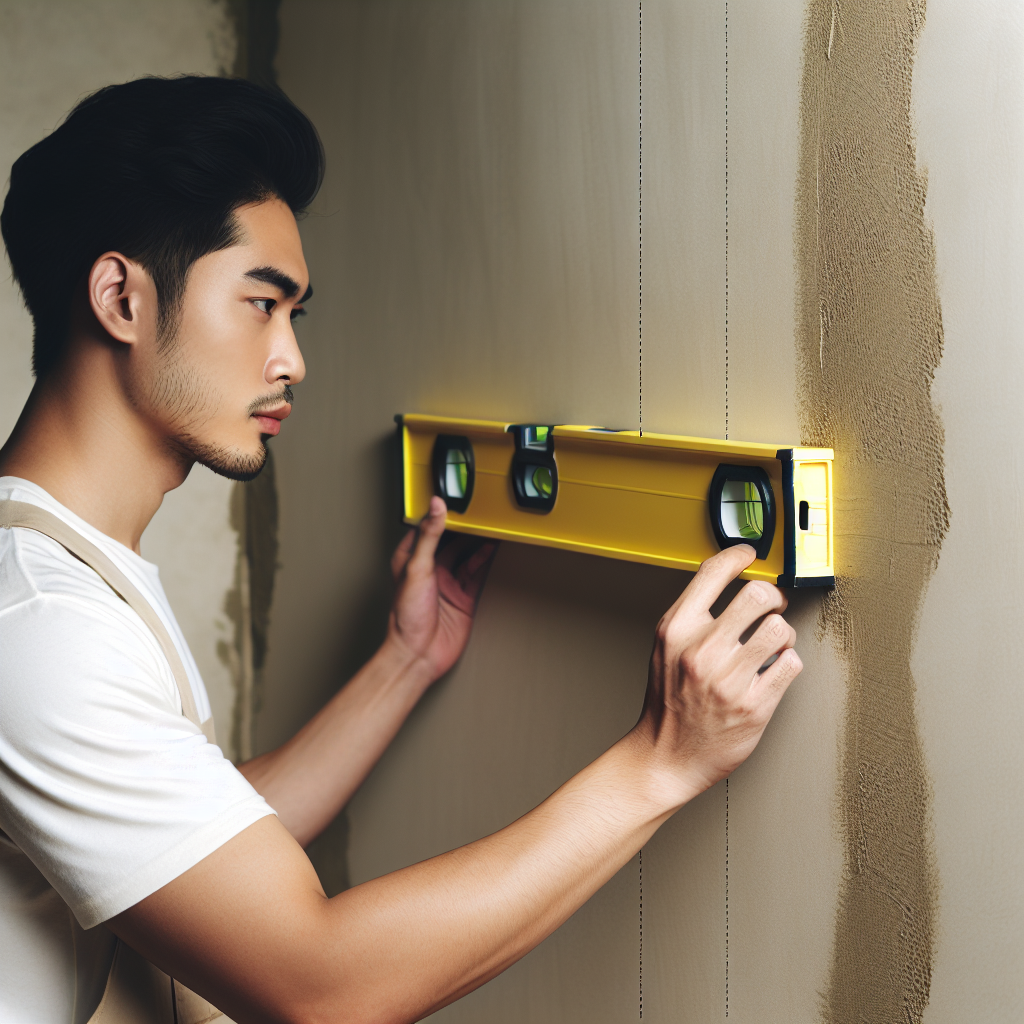
- Evenness: Use a straightedge or level to check for flatness. Walls should be plumb and even; any noticeable curvature or bulges is unacceptable.
- Edge Details: Pay attention to corners and edges. Sharp, clean lines are the hallmark of good plasterers.
Practical Tips for Assessing Quality Before Payment
Here’s a step-by-step guide to ensure the quality of plastering services:
- Take Your Time: Don’t rush the inspection. This is a big investment.
- Use Natural Light: Inspect the plastering in daylight. Artificial light can hide faults that only reveal themselves under the sun.
- Employ a Level: Use a long level or straightedge to check for bumps and dips.
- Check for Finishing Products: If the plasterer has used finishing products, be sure to inspect their application as well.
- Ask Questions: Don't hesitate to ask your plasterer about their techniques, materials used, and any problems encountered during the job.
The Importance of Chalking Features
Chalking involves drawing on the plaster surface to highlight imperfections. You can use a simple piece of chalk to mark areas you find lacking. This doesn’t just signify issues but also gives the plasterer a clear area to focus on fixing any problems.
Pricing Considerations in London
In London, the cost of plastering varies significantly depending on the quality and type of plaster used. Average prices can range from £15 to £30 per square meter.
- Ensure you obtain several quotes from different contractors to compare pricing and quality.
- Consider investing more in experienced plasterers who offer guarantees—this can be cheaper in the long run as you avoid costly repairs.
Learn more about our professional plastering team here or check our completed projects in the gallery.
FAQ
Q1: What are the most common issues with plastering quality?
A: Common issues include cracking, uneven surfaces, air bubbles, and poor adhesion to the substrate. These often result from inadequate preparation or a rushed job. Always verify a plasterer’s past projects to gauge their skills.
Q2: How can I ensure my plasterer is qualified?
A: Request references and check reviews on platforms like Trustpilot or Checkatrade. Additionally, look for professionals who are members of trade associations like The Federation of Plasterers.
Q3: How can I address issues after payment?
A: If you notice problems after payment, contact your plasterer immediately. Reputable plasterers will offer to rectify mistakes regardless of payment status. Document your concerns with photos and written descriptions.
Q4: Is it normal for plaster to dry differently on various wall types?
A: Yes, different substrates affect drying times and appearance. For example, porous materials might absorb moisture differently compared to concrete or painted walls.
Q5: Should I be present during the plastering process?
A: It’s always good to be present or check-in regularly during the application. This allows you to address any immediate concerns and communicate with your plasterer about your expectations.
Conclusion
Checking plastering quality before you pay is not just smart; it's essential for a rewarding renovation experience. Take the time to thoroughly assess the work, follow our practical tips, and don’t hesitate to ask questions to the professionals. This proactive approach can ensure your London home remains beautiful for years to come.
Ready to get started on your plastering project? Reach out to London Plastering Service today for a quote, and make sure your plasterwork is nothing short of perfection!
For more helpful tips and guides, visit our Blog and discover everything you need to know about plastering.
Related Plastering Guides & Services
Need Professional Plastering?
Get expert plastering services in London. Free quotes within 60 minutes.