
How to Check if a Plasterer is Qualified in the UK (2026 Guide)
Ensuring Your Walls are in Safe Hands: A Guide to Checking Plasterer Qualifications in 2026
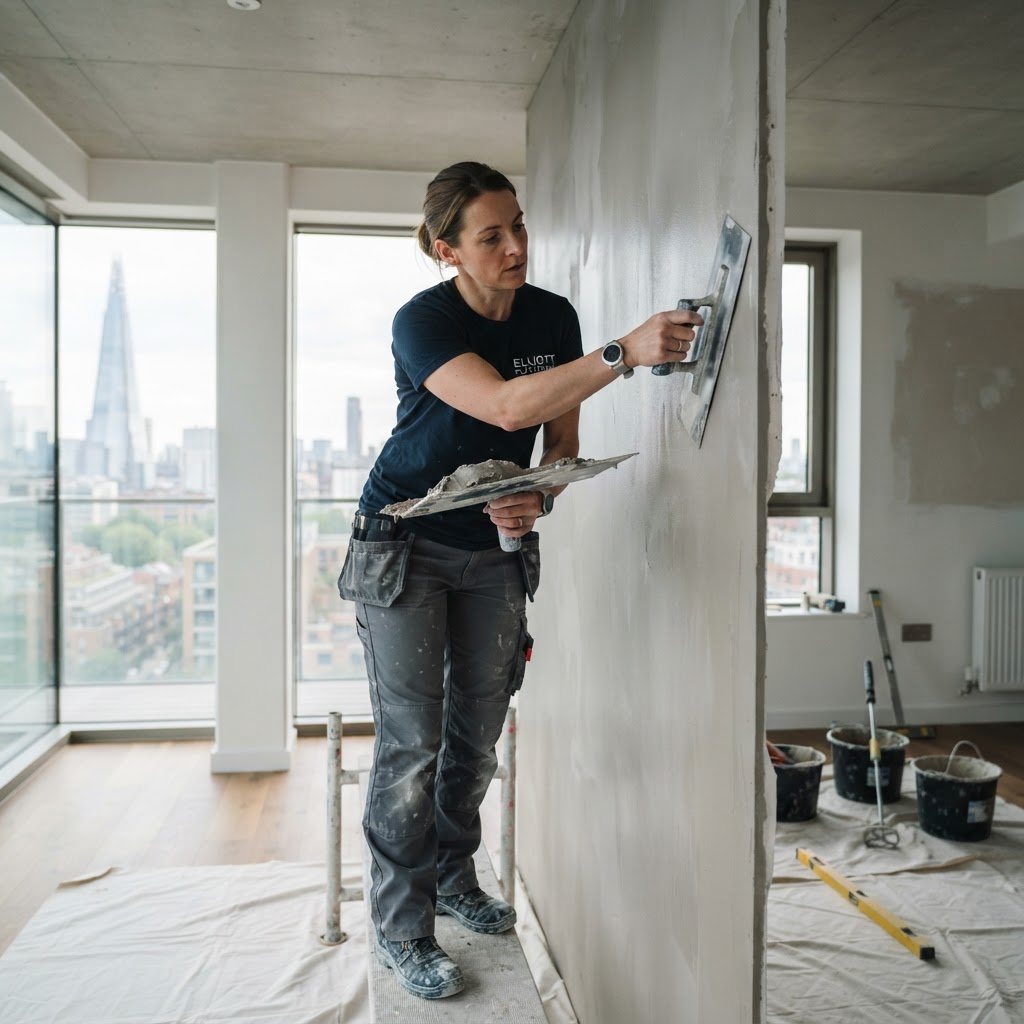
When it comes to home improvement in London, finding a professional who can deliver a glass-smooth finish is a priority. Whether you are dealing with a historic Victorian terrace in Kensington or a modern apartment in Canary Wharf, hiring an unqualified tradesperson can result in cracking, sagging, or costly rework. Before you commit to any project, you should always consult a trusted professional plasterer in London to ensure the job is done right the first time.
Why Qualifications Matter in 2026
In the current London market, the demand for high-quality finishing remains high. However, the industry is not strictly regulated like gas or electrical work. This makes it easier for untrained individuals to claim they are 'expert' plasterers. A qualified plasterer, by contrast, has undergone formal training, usually through an NVQ (National Vocational Qualification) or an apprenticeship program. This training ensures they understand the chemistry of plaster, structural integrity, and the specific moisture needs of properties across diverse London boroughs.
In 2026, the complexity of modern building materials requires more than just basic trowel skills. Plasterers must now be well-versed in thermal insulation standards—especially vital in the draughty period homes found in boroughs like Islington and Hackney—and modern dry lining systems that meet current building regulations for fire safety and acoustic performance.
Essential Checks for London Plasterers
Before hiring someone for your Wall Skimming London or general renovation, perform these six essential checks:
- Verify NVQ Levels: Look for NVQ Level 2 or 3 in Plastering. This is the industry standard for competence. Always ask to see the certificate if you are unsure.
- Check Insurance: Always ask for proof of Public Liability Insurance. In 2026, a reputable company should be covered for at least £2,000,000. For large-scale commercial work in the City of London or Canary Wharf, professional contractors often carry up to £5,000,000.
- Portfolio of Local Work: A genuine professional will have photos of work completed in your specific area. Ask for examples of work in your borough. For instance, if you are in Richmond, they should understand how to treat original lathe and plaster walls.
- Trade Association Membership: While not mandatory, membership in bodies like the FIS (Finishes and Interiors Sector) or British Gypsum Certified Plasterer schemes acts as a badge of quality.
- Check for CSCS Cards: A Construction Skills Certification Scheme (CSCS) card proves that the plasterer has the necessary training and qualifications for the type of work they carry out.
- Check for Digital Transparency: Does the tradesperson have a functional website, a verifiable email address, and active, non-anonymized professional social media profiles?
Understanding 2026 Pricing for London Plastering
Budgeting is a major part of the hiring process. Prices in London reflect the high cost of materials and the shortage of skilled labour. For a standard 4m x 4m room, you can expect to pay between £550 and £850 for professional wall skimming. If you are looking for a Full House Replaster London service, ensure you obtain an itemised quote.
- Small Room Skimming (Wandsworth/Lambeth area): £450 - £650.
- Whole Property Re-skim (3-bed semi in Ealing): £2,500 - £4,500 depending on surface condition.
- Rendering (External): Prices range from £60 to £120 per square metre depending on the finish, such as K-Rend or traditional sand and cement.
Always obtain an itemised quote. Beware of quotes that seem too cheap; if a price sounds too good to be true, the contractor likely lacks the proper training or is cutting corners on materials, leading to inevitable Emergency Plaster Repair London needs down the line.
The Importance of Specialised Knowledge
Plastering isn't just about applying a smooth coat. It involves:
- Substrate Preparation: Knowing whether to use bonding agents or grit for Dry Lining London projects is the difference between a long-lasting wall and one that blisters within six months.
- Moisture Management: Essential for older homes in areas like Camden or Greenwich where damp can be prevalent. A professional will test for moisture before applying skim, preventing future mould.
- Surface Treatment: Handling Artex Covering London safely is crucial. If your home was built before 2000, the plasterer must be aware of asbestos protocols. Never allow someone to sand Artex without checking for hazardous materials.
- Thermal Bridging: Knowledge of insulating plasters can help reduce heating bills in poorly insulated Victorian housing stock.
FAQ: Frequently Asked Questions
Q: Do I need a building control permit for plastering? A: Generally, no. Simple skimming or repair doesn't require building control. However, if you are performing a Plastering Cost London structural renovation that involves removing load-bearing walls or significant dry lining (which affects fire safety), you must notify your local council's building control department.
Q: How do I spot a rogue trader? A: They often demand cash upfront for 'material costs' before arriving on-site, have no physical address, or avoid answering direct questions about their specific training or insurance coverage. If they refuse to provide a written invoice, avoid them.
Q: What is the benefit of a British Gypsum Certified Plasterer? A: It ensures they have been trained to use industry-leading materials correctly. This certification often means the work is backed by manufacturer guarantees, providing homeowners in boroughs like Westminster with extra peace of mind.
Q: Are online reviews enough? A: Reviews are useful, but verify them on independent platforms (such as Checkatrade or Trustpilot) rather than just 'before and after' photos on social media, which can be easily stolen from other contractors.
Q: Why does the quote for my South London property differ from a North London quote? A: Parking charges, congestion zone fees (if applicable), and local travel time significantly influence the final cost. Always ensure your quote accounts for these logistical factors.
Q: Should I buy the plastering materials myself? A: Usually, no. Professional plasterers get trade discounts and know exactly which grade of plaster (e.g., Multi-finish, Board Finish) is needed for your specific wall type. Buying your own materials may actually result in higher costs and lower quality results.
Final Checklist for 2026 Homeowners
- Ask for a professional quote on company letterhead including VAT number.
- Check for a clear business address in London (a PO Box is rarely sufficient).
- Ask for references from neighbours within the same borough who have had similar work done.
- Confirm the estimated duration of the project and daily start/finish times.
Don't leave your home's finish to chance. If you are ready to get your project started with a team that values quality, transparency, and professional certification, contact London Plastering Service today. We bring years of expertise to every wall we touch. Get a free quote here.
Related Plastering Guides & Services
Need Professional Plastering?
Get expert plastering services in London. Free quotes within 60 minutes.