
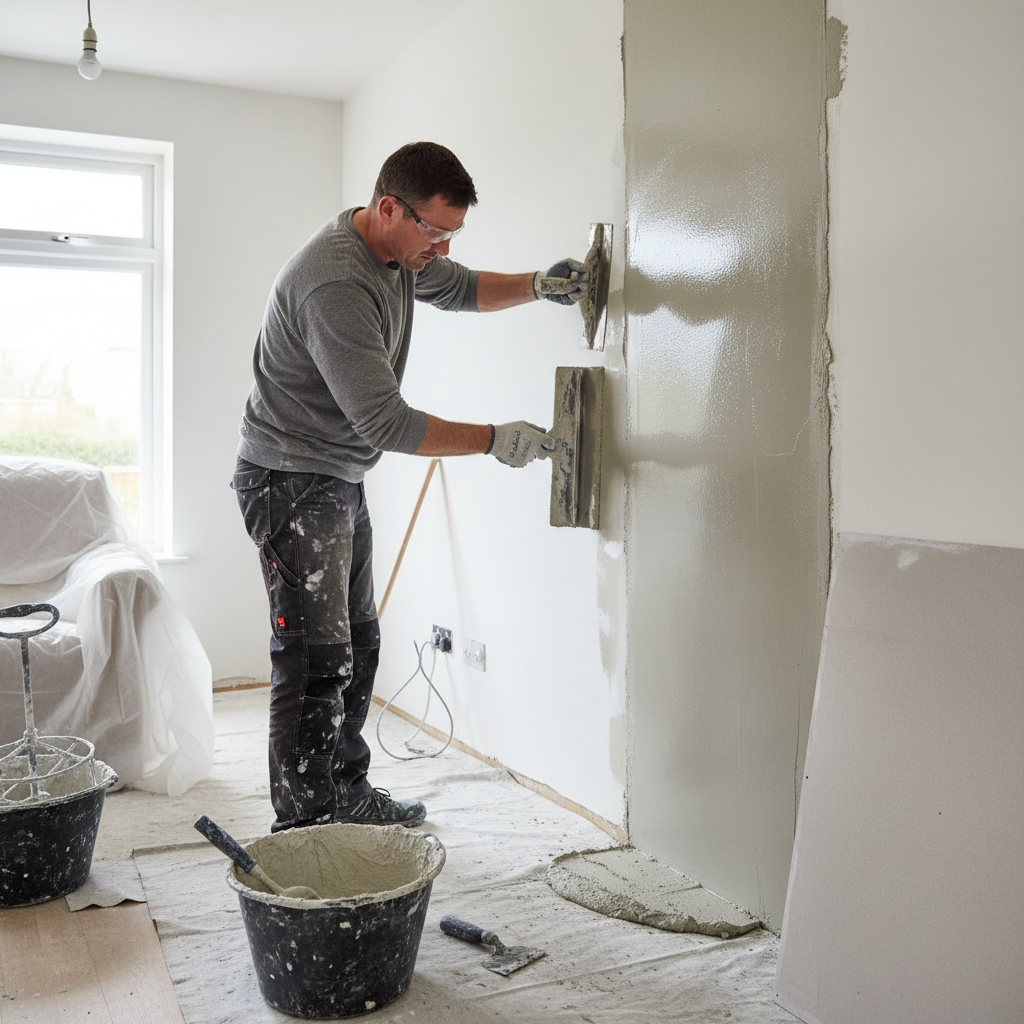
How Thick Should Plaster Be on Internal Walls? Guide for Homeowners
The Importance of Plaster Thickness in Your Home
Imagine this: you wake up one crisp London morning, ready to tackle your interior renovation project. You’ve just picked up a gorgeous wallpaper pattern to match your living room vibe, but the walls beneath need some serious TLC. In your DIY enthusiasm, you wonder, "How thick should plaster be on internal walls?" This seemingly simple question can determine the success of your project and the longevity of your interior decoration. Let’s dig into this critical, often-overlooked aspect of home improvement, ensuring your walls are not just well-finished but durable.
Understanding Plaster Thickness
Plaster serves as both a protective and aesthetic finish for your internal walls. The thickness of plaster not only influences how the wall looks but also impacts how well it can absorb moisture, resist cracking, and provide an overall stable surface. You might be pondering the correct thickness for plaster on your internal walls; let’s shed some light on this crucial detail.
Standard Thickness Recommendations
Typically, plaster thickness can vary based on the type of plaster used and the wall condition:
- Standard Skim Coat: For most internal walls, a skim coat of plaster is generally between 3 to 5 mm thick. This thickness provides a smooth finish while ensuring adequate adhesion to the underlying surface.
- Undercoat Plaster: If you’re using a base or undercoat plaster that will later be finished with a skim coat, aim for a thickness of about 11 to 13 mm.
- Damp or Rough Walls: If your walls are particularly uneven or damp, you may need a thicker application of around 15 to 20 mm to ensure coverage and durability.
Different Types of Plaster
- Gypsum Plaster: Commonly used for finishing, it typically requires a thinner application (around 3-5 mm).
- Cement Plaster: Used for exterior walls or areas of high moisture, it can be applied thicker (up to 15 mm).
- Lime Plaster: Ideal for historical properties, it can vary in thickness and usually needs to be between 10-15 mm depending on the surface.
Practical Tips for Applying Plaster
If you’ve decided to handle plastering yourself, here’s how to ensure you get the thickness just right and achieve a fabulous finish:
Step-by-Step Guide to Plastering Internal Walls
-
Prepare the Wall:
- Clear all furniture and cover the floor to protect from plaster spills.
- Clean the wall surface to remove dust and debris. For previously plastered surfaces, scraping off any flaky or loose paint is crucial.
- If the wall is porous, consider applying a bonding agent to enhance adhesion.
-
Mix Your Plaster: Follow the manufacturer’s instructions carefully to achieve the correct consistency. It’s usually recommended to mix in batches to avoid waste.
-
Apply the First Coat:
- Using a trowel, spread plaster onto the wall at the recommended thickness.
- Start from the corners and work your way out, ensuring even coverage.
-
Smooth It Out:
- Use a float or trowel to smooth out the surface.
- If cracks appear, you may need to apply a second coat.
-
Let It Dry: The drying time varies, but typically, it may take up to 24 hours. Ensure the space is well-ventilated to speed up drying.
-
Finish with a Skim Coat (if applicable): Once dried, apply the skim coat directly over the undercoat to give your walls the desired smoothness.
When to Call a Professional
While many homeowners in areas like Shoreditch or Chelsea may take on their plastering projects, sometimes the complexities of plastering require a professional touch. At London Plastering Service, our skilled plasterers can ensure the work is done to the highest standard, saving you time and potential DIY headaches.
Frequently Asked Questions
## FAQ
Q1: How can I tell if my walls need a new coat of plaster?
A1: Look for signs like cracking, flaking paint, or an uneven surface. Also, if your walls feel damp, it might be a good time to consider re-plastering to prevent further damage.
Q2: What temperature is ideal for plastering?
A2: For best results, plastering should be done in dry conditions and temperatures between 5°C and 30°C. Avoid cold drafts and radiators as they might cause the plaster to set too quickly.
Q3: Are there any additional costs involved with hiring professional plasterers?
A3: Yes, in London, professional plastering services generally range from £20 to £40 per square metre, depending on the complexity of the job and materials used. This cost may be more in busy areas like Kensington or Westminster.
Q4: How often should I replaster my interior walls?
A4: Usually, internal walls may need replastering every 10-15 years, depending on wear and conditions such as moisture levels in your home.
Q5: Can I plaster over wallpaper?
A5: It is not advisable to plaster over wallpaper as it can lead to peeling or bubbling of the plaster. Always strip the wallpaper first to ensure a good bond with the plaster.
Conclusion: Ready to Transform Your Walls?
Knowing how thick plaster should be on your internal walls is just the first step towards a beautifully finished room. Whether you're a homeowner considering a DIY project in Barking or a landlord managing several properties in Camden, understanding plastering will provide you with better results. For a flawless finish or to tackle more complex plastering tasks, consider enlisting help from professionals. Contact us today for a consultation and let us help you bring your plastering vision to life with our skilled team.
Explore our Gallery for inspiration and see the magic we’ve worked for homeowners just like you. Let's create a beautiful, smooth finish together!
Related Plastering Guides & Services
Need Professional Plastering?
Get expert plastering services in London. Free quotes within 60 minutes.