
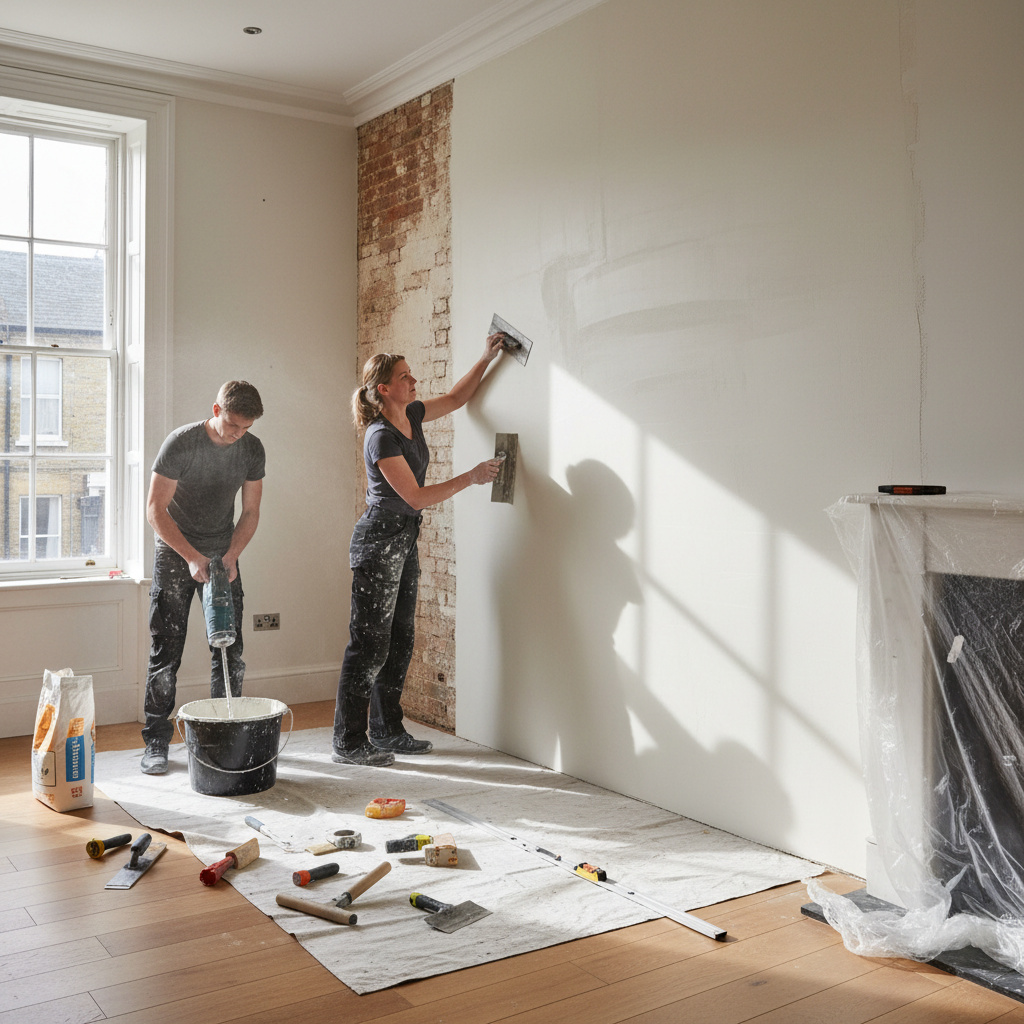
How Many Coats of Plaster Do You Need? A Comprehensive Guide
How Many Coats of Plaster Do You Need? A Comprehensive Guide
Imagine this: you've just moved into your new home in the vibrant borough of Islington, eagerly planning your dream interior. You start peeling away layers of old wallpaper and discover cracks and imperfections, evidence of years unseen beneath the surface. With renovation costs piling up, your thoughts drift to plastering, and one question arises—how many coats of plaster do I need for these walls?
Understanding the number of plaster coats required is crucial for achieving a perfect finish without breaking the bank. Too few coats might lead to an uneven appearance, while too many can waste both time and money. This guide is designed to help you navigate these concerns, providing clarity and tailored advice for London homeowners who seek a flawless outcome. Let’s dive into the ins and outs of plastering for your home’s interior!
Understanding Plastering Basics
Plastering is a vital part of home renovation and enhancement, especially in older London homes that often feature intricately detailed plasterwork. But before we dive deep into the specifics of coats, let's establish what plastering entails.
What is Plaster?
Plaster is a building material composed of gypsum, lime, or cement mixed with water. It’s used to create a smooth finish on walls and ceilings, providing a durable surface that can be painted or decorated. The types of plaster most commonly used include:
- Cement Plaster: Good for exterior walls; highly durable.
- Gypsum Plaster: Ideal for interiors; sets quickly and provides a smooth finish.
- Lime Plaster: Often used in historical restorations; allows walls to breathe.
Types of Coats in Plastering
- Scratch Coat: This is the first coat applied, which often has a coarse texture. It helps the next layer adhere properly.
- Brown Coat: The second layer is smoother and provides height and thickness to the wall.
- Finish Coat: The final layer is applied for a smooth, flat surface ready for painting or decoration.
How Many Coats of Plaster Do You Need?
The answer to this question can vary based on various factors, including wall condition, type of plaster used, and your desired finish. Here’s a breakdown of what you should consider:
Factors to Consider
- Wall Condition: If the walls are in poor condition with significant cracks or damages, you might need more coats.
- Type of Finish: A smooth modern finish may require more layers than a textured finish.
- Plaster Type: Different plasters may have different coverage levels.
Typical Coats Required
For Standard Applications:
- 1 Coat (Finish): Generally sufficient where existing paint and plaster are in good condition.
- 2 Coats (Brown + Finish): Commonly needed for typical home improvements, especially in homes with uneven surfaces.
- 3 Coats (Scratch + Brown + Finish): In cases where walls are severely damaged or if you want an exceptionally smooth finish.
Hence, an average homeowner should expect 2 to 3 coats of plaster for optimal results in most scenarios.
Practical Tips for Homeowners
Following best practices can lead to smoother results. Here are actionable steps for your plastering project:
- Assess Your Walls: Look for cracks, holes, or peeling paint. Repair any damage prior to plastering.
- Choose the Right Product: Based on your findings, select the appropriate type of plaster for your project.
- Hire Professionals: For the best results, consider reaching out to London Plastering Service for a quote and expert help.
- Consider Your Environment: Ensure the room is adequately ventilated during application for effective drying.
- Don’t Rush: Allow each coat to dry completely before applying the next one. Depending on conditions, this may take several hours to a few days.
FAQ
How long does plaster take to dry?
Plaster typically takes about 24 to 48 hours to dry per coat, depending on the thickness and environmental conditions. Always allow for proper drying time before applying the next coat to avoid trapping moisture.
Can I plaster over old plaster?
Yes, you can plaster over old plaster, but it’s crucial to assess its condition first. If the existing plaster is sound and free from mold, you can add new coats after thorough cleaning and possibly an application of bonding agent.
What is the cost of plastering in London?
The cost of plastering in London can vary significantly depending on factors like project size and complexity. Typically, homeowners can expect to pay around £15 to £35 per square meter for plastering services. This includes labor and materials, but additional costs may apply for repairs or modifications.
Do I need to sand between coats?
It’s usually recommended to lightly sand between coats if they have dried completely and need a smooth transition. However, it's important to do this carefully to avoid damaging the layers.
What if I want a textured finish?
For a textured finish, you might only need a single smooth coat as your base. Then you can apply a finishing technique such as stippling or applying a spray texture to achieve your desired look.
Conclusion
Understanding how many coats of plaster you need is essential for ensuring a quality finish in your home renovation project. Whether you're revitalizing a historic property in Greenwich or updating a flat in Camden, knowing these fundamentals will save you time and money.
If you’re ready to start your plastering project and want expert assistance, reach out to our dedicated team at London Plastering Service. We provide reliable plastering services throughout London, ensuring your home looks its best. Check out our gallery for examples of our completed projects, or visit our blog for more plastering tips and guides. Let's work together to create the home you've always dreamed of!
Take the first step towards beautifully plastered walls today!
Related Plastering Guides & Services
Need Professional Plastering?
Get expert plastering services in London. Free quotes within 60 minutes.