
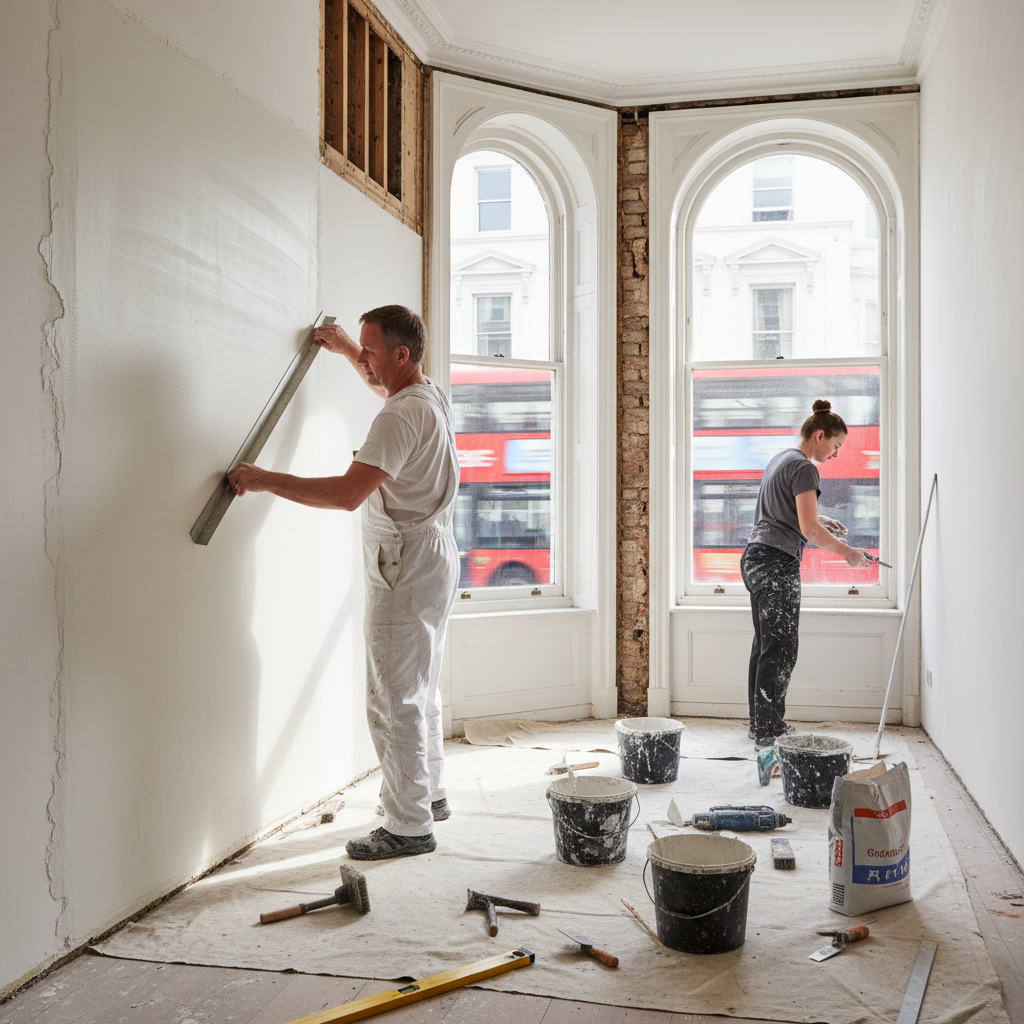
How Long Does a Full House Replaster Take? Your Essential Guide
How Long Does a Full House Replaster Take? Your Essential Guide
Picture this: You're standing in the middle of your living room, surrounded by boxes and furniture draped in sheets. You've decided that it's time to give your home a facelift, and that means a full house replastering. But as you look around at the walls that are peeling and cracked, a common question pops into your mind: How long will this take? Knowing what to expect can make all the difference between a smooth process and a stressful one.
In this blog post, we'll dive into the timelines for a full house replaster, factors that affect the duration, and tips to ensure your project goes off without a hitch.
Understanding the Replastering Process
Before we get into the nitty-gritty of scheduling, it’s essential to understand what a full house replaster entails. Replastering isn’t just about applying a new layer of plaster; it involves several steps:
- Assessment of Walls: Inspecting walls for damages or existing conditions.
- Preparation: Clearing the area, covering furniture, and repairing damages.
- Patching and Skimming: Filling in cracks, holes, and applying plaster skimming layers.
- Finishing: Applying a final finish or paint to the plastered surfaces.
Each of these steps takes time, and the total duration will depend on the scale of your home and the condition of your walls.
How Long Can You Expect It to Take?
The timeframe for replastering a full house can vary widely, but here are some general guidelines:
Average Timeframe
1. Small House (Up to 1,200 square feet): 1-2 weeks 2. Medium House (1,200 to 2,000 square feet): 2-3 weeks 3. Large House (Over 2,000 square feet): 3-4 weeks
Example Scenarios:
- A typical two-bedroom flat in Clapham might take around 10 days to complete.
- A larger Victorian home in Hampstead could extend to three weeks due to intricacies of the walls and renovations.
Factors Influencing the Timeline
Several factors can significantly affect the duration of your replastering project:
- Preparation Work: More damaged walls will require extensive prep.
- Weather Conditions: Humidity and temperature can slow down the drying process.
- Type of Plaster Used: Different plaster materials have varying drying times.
- Workforce Efficiency: A skilled team generally works faster.
Typical Schedule Breakdown
Here's a rough breakdown of time for each phase:
- Preparation: 1-2 days
- First Layer Application: 1-2 days
- Drying Time (First Layer): 1-2 days
- Second Layer Application: 1 day
- Final Finishing: 1-2 days
- Curing and Drying: 5-7 days (varies greatly)
Practical Tips for a Smooth Replastering Process
To make the replastering as efficient as possible, here are some actionable tips:
Step 1: Choose the Right Season
Spring or autumn is typically the best season for replastering. Avoid extreme temperatures and humidity, which can affect drying times.
Step 2: Clear the Area Thoroughly
Make sure you remove all furniture from the rooms being plastered to ensure easy access for the contractors and to protect your belongings.
Step 3: Communicate Clearly with Your Plasterer
Discuss schedules, expectations, and any concerns with your plastering team upfront. This communication can avoid delays later.
Step 4: Be Flexible with Your Timeline
While you may have an ideal end date, be prepared for potential delays due to unforeseen issues such as hidden structural damage.
Step 5: Consider Additional Services
If you're planning on painting after plastering, it may be worth getting a quote for those services concurrently to save time.
Visit our Gallery to see examples of our replastering projects and how careful planning leads to excellent results.
FAQ
Q1: Can I live in my house during the replastering process?
A1: Yes, but it can be inconvenient! If only certain rooms are being replastered, you may be able to stay in other areas. However, expect dust and possible noise.
Q2: How much does a full house replaster cost?
A2: Costs can range from £25 to £50 per square meter, meaning a typical medium-sized house could cost between £3,000 to £8,000, depending on conditions and location.
Q3: What if I want to change the wall layout after replastering?
A3: Replastering occurs after structural work. If you plan to change walls, ensure it's done first, as replastering won’t mask structural issues.
Q4: How long should I wait before painting over new plaster?
A4: We recommend waiting at least 4-6 weeks for new plaster to cure effectively before applying paint.
Q5: Should I hire professionals or do it myself?
A5: Hiring professionals is usually advisable, particularly for full house replastering, as they ensure a quality finish and can identify structural issues. Learn more about our professional plastering team here.
Conclusion
Replastering your house can completely transform your space but understanding the time it takes can prepare you for the journey ahead. If you're in London and considering a full house replaster, be sure to contact London Plastering Service for an obligation-free quote. Our experienced team is here to help you every step of the way, ensuring your home looks its very best. Don’t let the thought of disruption scare you; a beautiful, refreshed home is just a project away! Let's getting started today!
Related Plastering Guides & Services
Need Professional Plastering?
Get expert plastering services in London. Free quotes within 60 minutes.