
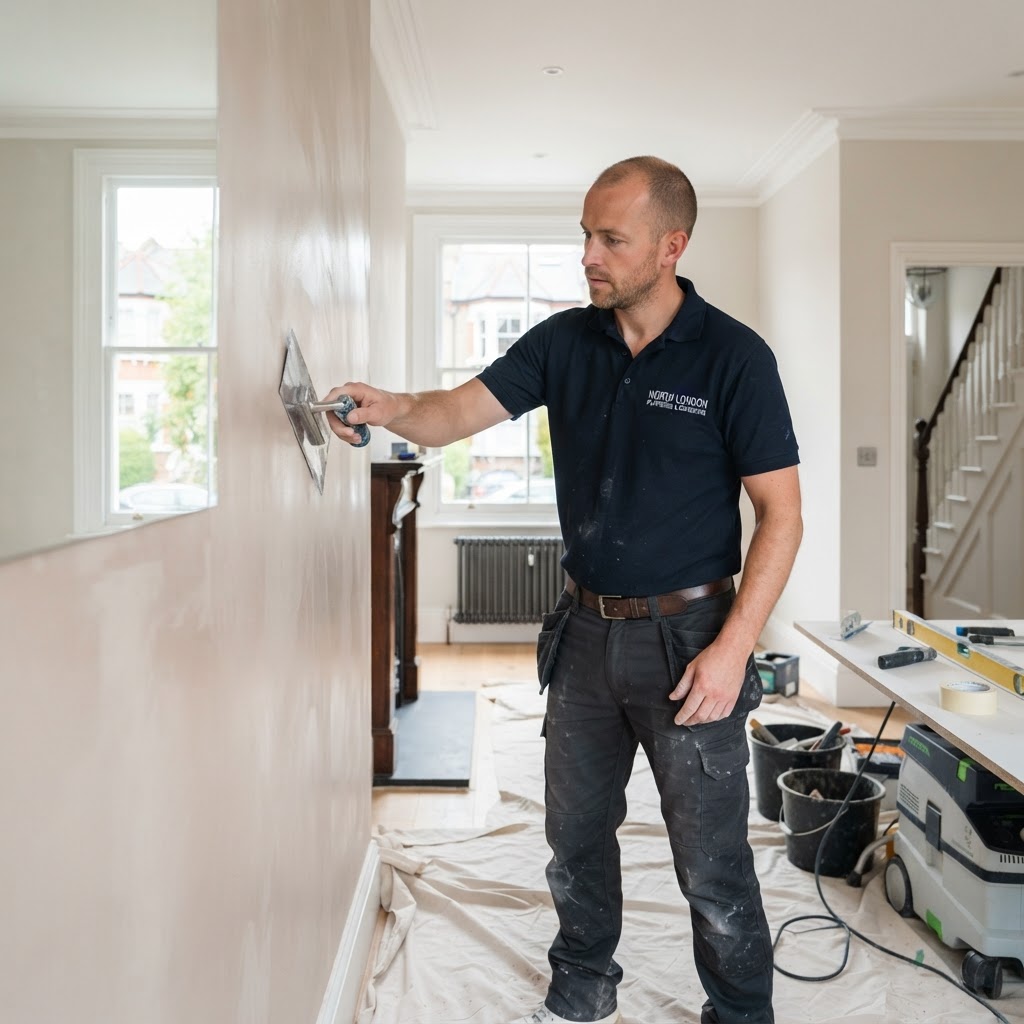
Finding the Best Plasterers in North London: A Homeowner’s Guide
Finding Expert Plasterers in North London: A Homeowner’s Guide
If you are planning home renovations, finding a reputable plasterer in London is often the most critical step. North London boasts a unique mix of Victorian terraces, grand Edwardian villas, period conversions, and sleek modern apartments, all of which require a specialized, artisanal touch. Whether you are dealing with sagging, water-damaged lath-and-plaster ceilings in Highgate (N6), managing structural movement in Muswell Hill (N10) semi-detached houses, or refurbishing a luxury property in Hampstead (NW3), quality workmanship is non-negotiable. Plastering is the foundation of your home’s aesthetic; a poor finish will haunt you every time the light hits a wall, whereas a master-finished surface elevates the entire value of your asset.
Why Local Expertise Matters in North London
North London architecture presents specific challenges that require deep knowledge of building history. Many properties in Islington (N1) or Hackney (E8) feature fragile Victorian cornicing and lime-plastered walls that breathe differently than modern gypsum-board construction. Our team at London Plastering Service has spent years mastering the specific needs of properties across Barnet (EN4/EN5), Camden (NW1), Islington, and Haringey (N8/N15).
When you hire a local specialist, you ensure that materials are compatible with your property's age. For instance, using modern hard-setting gypsum on historic brickwork without proper substrate preparation can cause trapped moisture, leading to structural decay. Local tradesmen also understand the specific logistics of North London's narrow streets, parking permit requirements in CPZ zones, and the strict building control regulations found in Conservation Areas. By choosing a local expert, you reduce transit time and ensure the project remains on schedule, regardless of the weather conditions that often plague the UK capital.
Common Plastering Services and Where to Start
Before hiring, it is important to understand the scope of your project. Are you looking for a quick cosmetic refresh or a structural overhaul? We offer specialized services including:
- Wall Skimming London: Applying a 2-3mm coat of finish plaster over existing sound surfaces for that flawless, mirror-like finish.
- Ceiling Plaster Repair London: Addressing historic water damage, hairline cracks caused by natural settling, and the complex restoration of period mouldings.
- Artex Covering London: A high-demand service for properties dating to the 1970s and 80s. We use bonding agents and specialized skimming techniques to flatten textured ceilings without the need for messy board-over processes.
- Lime Plastering Restoration: Essential for Grade II listed properties where breathable, traditional materials are a building control requirement.
2026 Plastering Prices: What to Expect in London
Understanding the Plastering Cost London market is essential for budgeting. As of 2026, professional rates remain high, reflecting the specialized skills required and the premium cost of materials like British Gypsum finishing plaster in the capital.
| Service Category | Estimated Cost Range (GBP) | | :--- | :--- | | Small Room Skim (Single Wall/Ceiling) | £350 - £600 | | Standard Bedroom (4 Walls + Ceiling) | £800 - £1,200 | | Large Victorian Living Room (High Ceilings) | £1,500 - £2,200 | | Full 3-Bedroom House Replastering | £4,500 - £8,500+ | | Dry Lining (Labor + Board) | £25 - £40 per m² |
For those looking for efficiency, Dry Lining London has become the gold standard for new builds and extensions in areas like Barnet and Enfield. It is significantly faster than wet plastering, reducing project timelines by up to 50%. However, if you are undertaking a Full House Replastering, always insist on a physical site visit. Telephone quotes often fail to account for "hidden" issues, such as crumbling masonry behind wallpaper or the need for PVA bonding agents on non-porous surfaces. For urgent leaks or ceiling collapses, consult our Emergency Plaster Repair London service to prevent further structural damage to your flooring or electrical systems.
Deep Dive: How to Vet Your Plasterer
- Check Local References: Don't just ask for a phone number. Ask to see photos of a project completed in your exact borough—ask, "Do you have examples of work in Finchley or Crouch End?"
- Request Insurance Proof: Ensure they hold at least £2 million in public liability insurance. Plasterers often work near expensive flooring and furniture; protection is mandatory.
- Review Portfolio Detail: Look closely at corners. A master plasterer creates crisp, 90-degree internal and external angles. If the corners are rounded or wavy, the technique is amateur.
- Confirm the "Clean Factor": Ask how they protect your floors. A professional will use heavy-duty floor protection (like Correx) and industrial-grade air scrubbers to minimize the fine dust that usually permeates a renovation.
Frequently Asked Questions (FAQ)
How long does it take for new plaster to dry?
Generally, plaster takes 24-48 hours to 'set' and change color from pink to a light grey. However, it requires 1-2 weeks to fully hydrate and cure. Painting too early (before the plaster is fully dry) can lead to paint flaking or "saponification," where the chemical reaction between the paint and wet plaster ruins the finish. In humid North London autumns, we recommend keeping the room ventilated, though avoid using industrial heaters, which can cause the plaster to crack by drying too rapidly.
Should I skim over existing wallpaper or Artex?
While some contractors suggest skimming over firm wallpaper, we strongly advise against it. The moisture from the new plaster can re-activate wallpaper paste, causing the old paper to bubble and ruining your new finish. As for Artex, it must be tested for asbestos (common in homes built before 1999) before any mechanical scraping. If safe, it is usually better to skim, but if the Artex is loose, the only long-term solution is a full re-board.
What is the difference between "bonding" and "skimming"?
Bonding is a base-coat plaster used to level out uneven masonry or brickwork. Skimming is the thin, final coat that provides a smooth, paintable surface. If your walls are damaged or have deep gouges, you likely need a "two-coat system" involving a bonding layer followed by a skim.
Do I need to move all my furniture out of the room?
While we can work around some items, it is best to clear the room completely. Plastering is a wet trade and involves a lot of water and fine dust. We protect your floor with protective sheets, but removing furniture allows for better access to walls and ceilings, ensuring the plasterer can work without interruption, which ultimately results in a better, more consistent finish.
Get in Touch for a Professional Estimate
If you are searching for the best plasterers in North London, look no further. At London Plastering Service, we pride ourselves on delivering premium, structural-grade results for every project, big or small. From period restorations in Highgate to modern dry-lining in Barnet, we provide the expertise your home deserves. Contact our team today for a transparent, no-obligation quote and let us bring your vision to life. Click here to book your consultation.
Related Plastering Guides & Services
Need Professional Plastering?
Get expert plastering services in London. Free quotes within 60 minutes.