
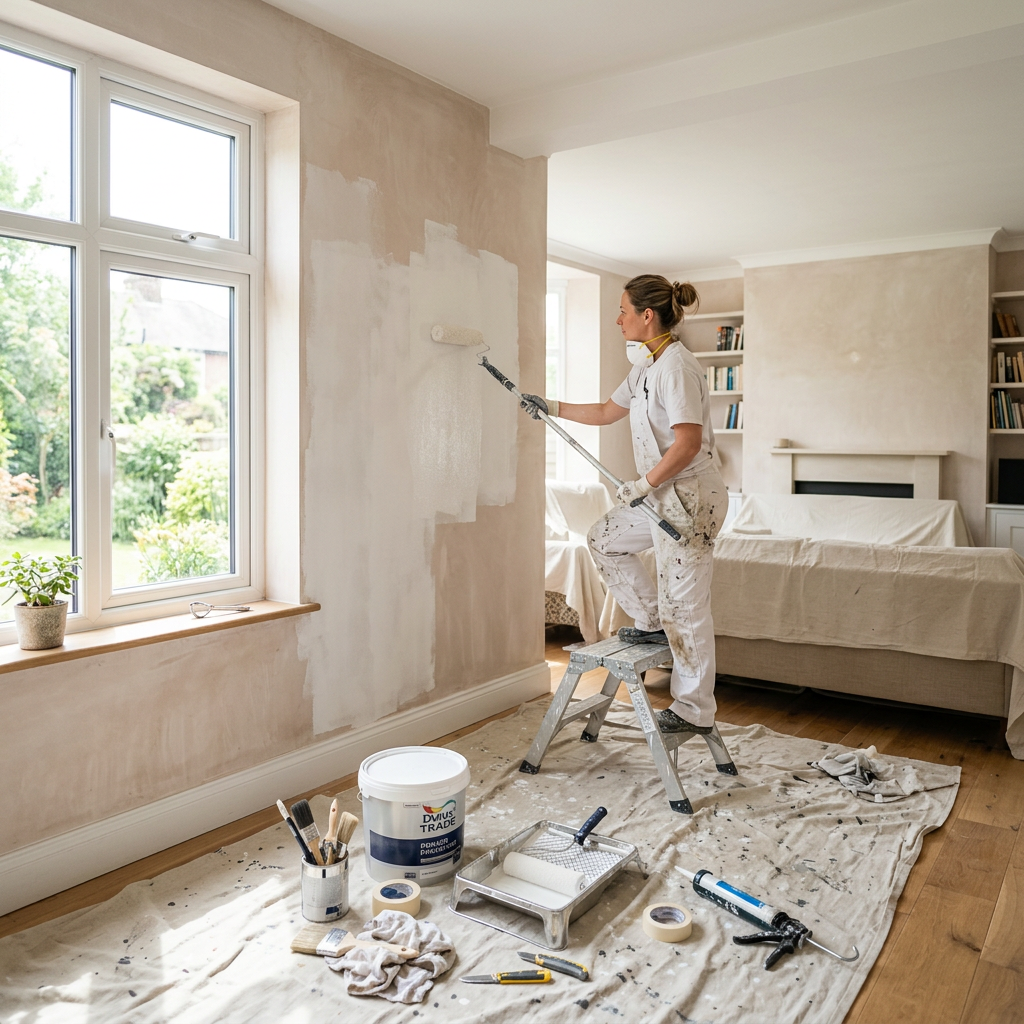
Finding the Best Paint Primer for New Plaster Walls in the UK
The Unsung Hero of Beautiful Walls: The Right Primer
Picture this: you’ve just had your living room expertly plastered by London’s finest London Plastering Service. The walls are fresh; they look immaculate. But before you dive straight into painting your dream color over that smooth surface, there’s one crucial step that may have slipped your mind: the primer! Using the right paint primer is essential for achieving a long-lasting, beautiful finish that will withstand the test of time.
Why Primer Matters for New Plaster Walls
New plaster is often very porous, which means if you apply paint directly, you risk not only uneven color but also peeling and flaking in the future. Think of primer as the protective barrier that ensures your paint adheres properly to the wall and provides even coverage. Here are a few reasons why you should never skip this step:
- Enhances Adhesion: Primer helps paint stick better to the surface.
- Seals the Surface: Reduces the porosity of new plaster, preventing a blowout of paint absorption.
- Improves Durability: Increases the lifespan of your paint job.
- Evens Out Finish: Ensures a uniform surface for the topcoat.
Choosing the Best Primer for New Plaster in the UK
When selecting a primer, different brands and formulations can make a big difference. Here are some recommendations tailored for new plaster walls:
1. Zinsser Bullseye 1-2-3 Primer
This is a popular choice among professionals and DIY enthusiasts alike due to its excellent adhesion properties and versatility. It works well on new plaster and helps prevent mold and mildew. Expect to pay around £12 for a 1-litre can.
2. Leyland Trade Flat Matt Primer
An economical option that offers great results for an affordable price at approximately £10 for a 2.5-litre can. It’s ideal for regular interior jobs and provides good coverage and sealing.
3. Dulux Trade Super Matt Primer
While a bit pricier at about £18 for a 2.5-litre can, this primer is known for its exceptional finish and is perfect for more high-end finishes where aesthetics matter most.
Application Tips for New Plaster Walls
You’ve chosen the right primer, now let’s ensure you apply it like a pro:
- Ensure the Surface is Clean: Before application, make sure your plaster is dry, clean, and free from dust and debris.
- Select the Right Tools: Use a high-quality roller for larger areas and a brush for corners and edges for a seamless application.
- Apply Even Coats: Typically, you’ll want to apply at least two coats of primer, allowing the first coat to dry completely before applying the second.
- Follow Manufacturer Instructions: Always check the labels for specific drying times and application tips.
- Wait Before Top Coating: After the last primer coat, wait approximately 24 hours before adding your top coat for best results.
Plastering and Painting in London
Residents of London know that the environment can be quite different from other parts of the UK. The hustle and bustle, along with high humidity levels, mean that the quality of materials you use can make a significant difference. Ensure your selected primer is suitable for the conditions in your borough, whether you're in Clapham, Camden, or Kensington.
Practical Tips for Painting Over New Plaster
- Allow Proper Drying Times: New plaster usually takes about 4-6 weeks to fully dry; painting before it’s ready can lead to trapped moisture.
- Consider Using a Mist Coat: This is a dilution of primer or paint that helps seal the plaster and prepares it for the final coat.
- Check for Flaws: Before painting, inspect your walls for imperfections and fill with a suitable filler, sanding down as necessary for a smooth finish.
FAQ
## 1. How long should I wait to paint new plaster?
It’s generally recommended to wait at least 4 weeks for new plaster to dry out completely before applying a primer. However, this can vary depending on humidity and ventilation. Use a moisture meter if in doubt.
## 2. Can I use standard paint primer on new plaster?
While you can use standard paint primers, it's best to opt for a primer specifically designed for new plaster. These products offer better adhesion and moisture sealing properties, enhancing the longevity of your paint job.
## 3. Should I sand my plaster before priming?
If your plaster has rough patches, sanding it lightly with fine-grit sandpaper can create a smoother surface for the primer. Be sure to wipe away any dust afterward to avoid contaminating the primer.
## 4. What if my new plaster still feels damp?
If your plaster feels damp even after a month, there could be underlying issues such as inadequate drying time or leaks. It's advisable to seek professional advice if you suspect this.
## 5. What is a mist coat, and how do I apply it?
A mist coat is a diluted version of paint or primer (usually 1 part paint to 3 parts water). Apply it with a roller for even coverage, as it helps seal the surface and ensure better adhesion for subsequent coats.
Conclusion: Take the First Step Toward Beautiful Walls
With the right paint primer, your freshly plastered walls can transform into a stunning backdrop for your home. Whether you’re a homeowner, landlord, or property manager in London, understanding the nuances of primer application will save you time and ensure your investment looks impeccable for years to come.
For a hassle-free job, consider hiring our professional team at London Plastering Service, where we ensure quality in every stroke. Get in touch today to start your home transformation journey and elevate your walls to their highest potential!
Explore our Gallery to see our completed projects and get inspired!
Related Plastering Guides & Services
Need Professional Plastering?
Get expert plastering services in London. Free quotes within 60 minutes.