
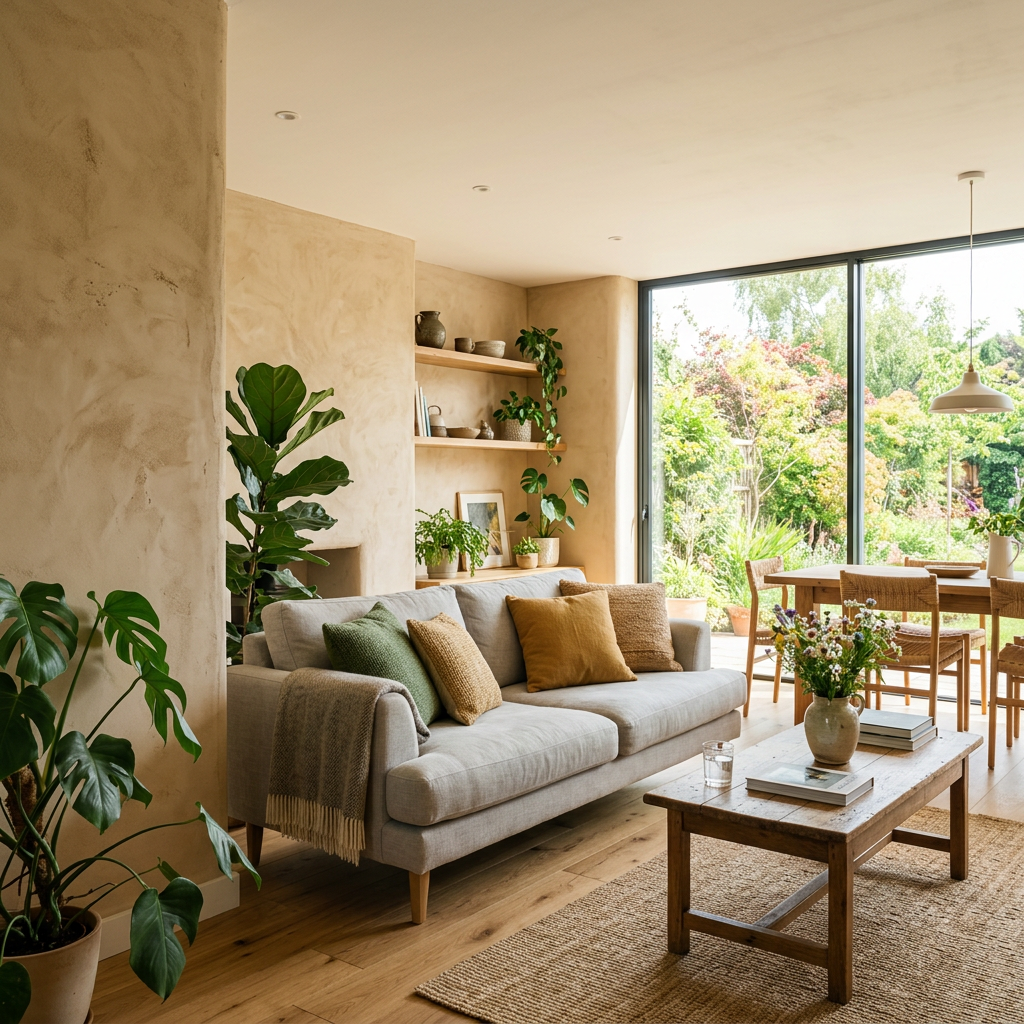
Eco-Friendly Plastering Options: Choosing Green Materials
Eco-Friendly Plastering Materials: Exploring Green Options
Picture this: you walk into your newly plastered home in Islington, only to be greeted by a faint smell of chemicals lingering in the air. While you love the fresh look of your walls, you can't help but wonder, What did I just do to my home’s air quality? This scenario isn’t out of the realm of possibility, especially when conventional plastering materials are used. In a world increasingly conscious of health and sustainability, it’s time to explore green plastering materials and eco-friendly options that benefit both the environment and your indoor living space.
Why Choose Eco-Friendly Plastering Materials?
Choosing eco-friendly plastering materials is not just a trend; it's a lifestyle choice that prioritizes health, sustainability, and comfort. Traditional plaster often contains additives and chemicals that can release volatile organic compounds (VOCs) into the air. These substances can contribute to respiratory issues and environmental degradation.
Benefits of Green Plastering Materials:
- Improved Indoor Air Quality: Eco-friendly materials often have low or zero VOC levels, ensuring cleaner air in your home.
- Energy Efficiency: Many sustainable options provide superior insulation, helping you save on heating and cooling costs.
- Durability: Green materials often outperform traditional options in longevity and resilience.
- Sustainability: Using natural and recycled materials reduces your carbon footprint.
Types of Eco-Friendly Plastering Materials
There are various green plastering options available that cater to various aesthetic and functional needs. Here’s a breakdown of some popular types:
1. Clay Plaster
Clay plaster is one of the most traditional and sustainable plastering materials. Made from natural clay, it regulates moisture and regulates temperature, making your indoor environment healthier. This type of plaster also contains no harmful chemicals.
2. Lime Plaster
Lime plaster is made from limestone and is considered a very sustainable option. It is breathable, which allows moisture to evaporate, preventing mold growth. Additionally, lime is readily available and can often be sourced locally, which reduces transportation emissions.
3. Gypsum Plasterboard (with recycled content)
Gypsum boards made with recycled content can also be eco-friendly. They are easier to install and can be painted over quickly, presenting a seamless finish. When choosing these, look for manufacturers that prioritize sustainability in their production processes.
4. Natural Cement Alternatives
Materials such as hempcrete or geopolymer cement are innovative alternatives to traditional cement. They have a significantly reduced carbon footprint compared to conventional options.
5. Recycled Aggregate Plaster
This option includes plaster that uses recycled materials such as crushed glass or plastics. By incorporating these materials, you help reduce landfill waste.
Steps to Choose the Right Eco-Friendly Plastering Material
Choosing the right green plastering materials for your home in areas like Camden or Hackney doesn’t have to be overwhelming. Here’s a straightforward process to simplify your decision:
Step 1: Assess Your Needs
- Consider the type of space you are plastering (e.g., living room, bathroom).
- Determine if moisture resistance is necessary.
Step 2: Research Options
- Look into local suppliers of eco-friendly materials. Companies like London Plastering Service can provide guidance.
- Ask about the source of materials and their sustainability practices.
Step 3: Consult with Professionals
- Reach out to plastering professionals for their opinions on eco-friendly options. About our professional plastering team to help guide you.
Step 4: Get Samples
- Before making a decision, request samples to see how they look and feel in your space.
Step 5: Consider Your Budget
- Eco-friendly materials might come at a premium. For plastering, expect to pay approximately £30 - £50 per square meter for green options compared to standard materials.
Practical Tips for Eco-Friendly Plastering
- Inspect Your Home: Before applying plaster, ensure that surfaces are clean and dry to prevent issues later.
- Use Non-Toxic Paints: Once plastered, consider using low-VOC paints to maintain a healthy indoor environment.
- Hire Local Plasterers: Opt for local services like PlasterersNearMe to minimize your carbon footprint through reduced travel.
- Opt for Wall Skimming: Choosing Wall Skimming London services can help rejuvenate existing walls without complete renovation, saving materials and labor.
FAQ
Can I use traditional plasters in eco-friendly homes?
Yes, but consider their impact on indoor air quality and sustainability. Opt for those labeled low VOC or use them sparingly.
How can I find eco-friendly plastering contractors in London?
You can start by searching locally for contractors who specify eco-friendly practices. Check their portfolios and reviews, and ask for recommendations from places like Gallery for completed projects with sustainable materials.
Is eco-friendly plastering more expensive?
Generally, eco-friendly materials may cost more upfront (about £30-£50/sq meter), but the long-term benefits often outweigh the costs through better insulation and health benefits.
What are the maintenance requirements for eco-friendly plaster?
Most eco-friendly plasters, like lime and clay, require minimal maintenance but may need occasional repairs. Regular cleaning with non-toxic products helps maintain their appearance and durability.
How do eco-friendly materials contribute to climate change mitigation?
Using sustainable materials reduces carbon emissions during production and increases energy efficiency in homes, creating a smaller overall carbon footprint.
Conclusion
In conclusion, opting for eco-friendly plastering materials not only aligns with a sustainable lifestyle but also enhances your home’s comfort and air quality. With options like clay and lime plaster, you can enjoy beautiful and healthy interiors without compromising on aesthetics. If you're thinking about your next plastering project in North London, consult the experts at London Plastering Service to discover how green materials can transform your space. Let's make your home a haven of health and sustainability—contact us today!
Related Plastering Guides & Services
Need Professional Plastering?
Get expert plastering services in London. Free quotes within 60 minutes.