
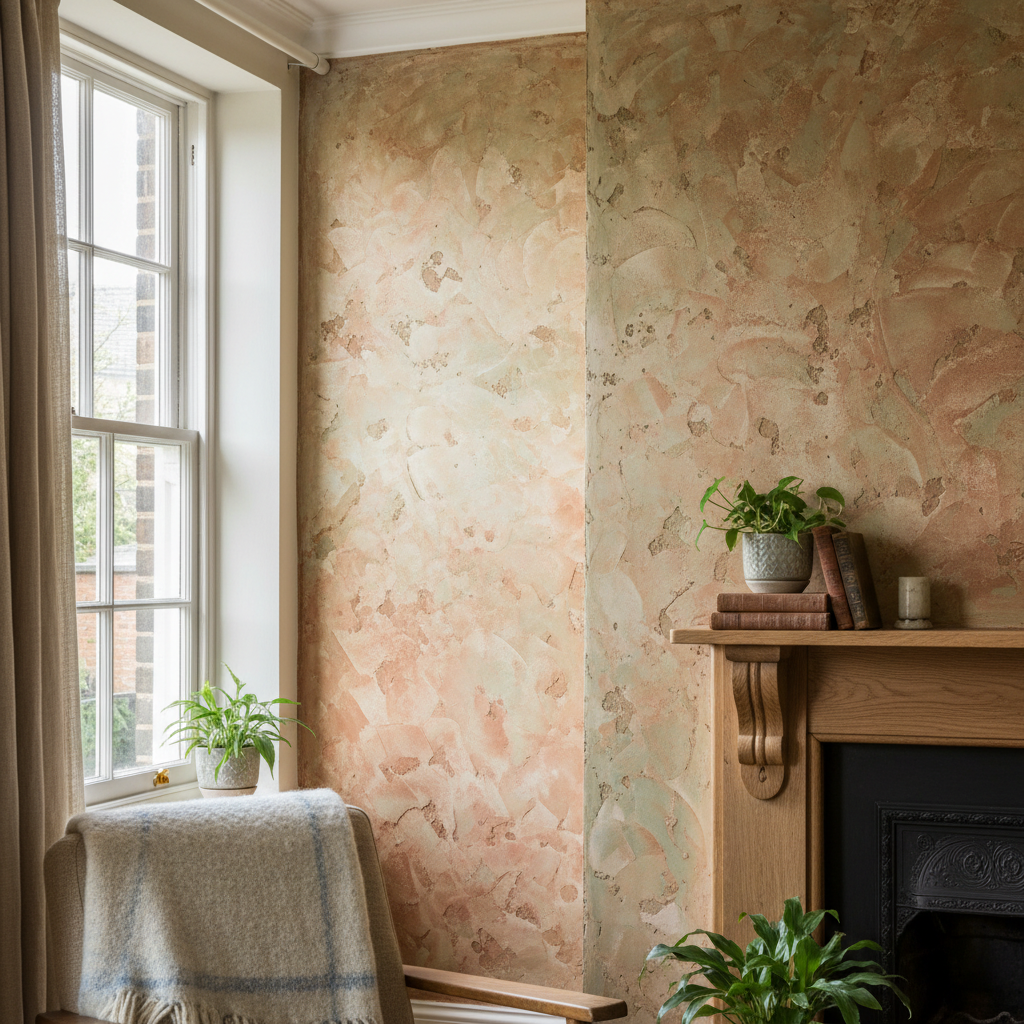
Eco-Friendly Green Plastering Materials for Modern Homes
Eco-Friendly Green Plastering Materials: The Sustainable Choice for Your Home
As London homeowners, we often find ourselves at a crossroads between style and sustainability. Imagine coming home to freshly plastered walls, where each smooth finish not only enhances your space but also reflects your commitment to the environment. Surprising, isn’t it? Many of the plastering materials traditionally used in our homes are not eco-friendly, and with the alarming facts about carbon footprints and sustainability, it’s high time we explore greener alternatives that won't compromise aesthetics or function.
In this comprehensive guide, we’ll delve into various eco-friendly plastering materials available today, why they matter, and how to implement them in your home renovations. After all, creating a beautiful living space shouldn’t come at the cost of our planet.
Why Choose Eco-Friendly Plastering Materials?
Using green plastering materials can significantly reduce your home's environmental impact. Here are a few compelling reasons:
- Reduced Carbon Footprint: Eco-friendly materials typically require less energy during their production.
- Improved Indoor Air Quality: Many traditional plaster products contain volatile organic compounds (VOCs), which can negatively affect indoor air quality. Eco-friendly options are low in VOCs.
- Sustainable Practices: Many sustainable materials are made from renewable resources, reducing the reliance on finite resources.
Types of Eco-Friendly Plastering Materials
1. Clay Plaster
Clay plaster is one of the oldest and most sustainable materials available. Made from natural clay, it's not only biodegradable but also offers excellent breathability, regulating humidity in your home. It's particularly popular in East London boroughs such as Hackney and Tower Hamlets for its aesthetic appeal and environmental benefits.
Benefits:
- Naturally hygroscopic, meaning it absorbs humidity from the air, preventing mold growth.
- Provides a unique, textured finish that can add character.
Ideal for: Non-toxic homes, eco-conscious renovations.
2. Lime Plaster
Lime plaster is another traditional material making a comeback, renowned for its durability and eco-friendly properties. It comes from limestone and is processed with water into a paste.
Benefits:
- Excellent breathability, which helps mitigate moisture issues.
- Carbon-negative process, meaning it absorbs CO2 as it cures.
Ideal for: Historic renovations in areas like Camden or Westminster where preserving the original structure's integrity is key.
3. Recycled Gypsum Plaster
This plaster is made from recycled materials, particularly gypsum waste from construction sites. It’s not only eco-friendly but also cost-effective.
Benefits:
- Strong fire resistance and excellent thermal properties.
- Reduces landfill waste by repurposing gypsum materials.
Ideal for: Modern homes needing quick fixes without environmental concerns.
4. Earth-Based Plaster
Similar to clay, earth-based plaster uses soil as its primary composition and is often enhanced with natural fibers like straw.
Benefits:
- Completely biodegradable and non-toxic.
- Offers excellent thermal mass to improve energy efficiency.
Ideal for: Off-grid homes and environments in places like Waltham Forest or Brent, where enhancing natural living conditions is the goal.
Practical Step-by-Step Guide to Eco-Friendly Plastering
If you’re ready to make the switch to eco-friendly plastering materials, here’s a simple guide to get you started:
-
Assess Your Needs:
- Determine which areas of your home need plastering (walls, ceilings).
- Evaluate the existing materials to ensure compatibility.
-
Choose Your Material:
- Decide between clay, lime, recycled gypsum, or earth-based plaster based on your style and sustainability goals.
- For instance, choose lime for historical buildings or clay for modern aesthetics.
-
Prepare the Surface:
- Clean the surface thoroughly and ensure it is dry and free of dust.
- Repair any structural issues before applying plaster.
-
Mix the Plaster:
- Follow the manufacturer's instructions for mixing.
- Consider the climate; wetter regions may require a slightly different mix.
-
Application:
- Use traditional methods (trowel) or a spray for larger areas.
- Apply thin layers, allowing each to dry before adding another coat.
-
Finishing Touches:
- Smooth the finish using a sponge or trowel.
- Consider different textures for aesthetic appeal.
FAQ
What are the benefits of using eco-friendly plastering materials?
Eco-friendly materials minimize environmental impact, improve indoor air quality, and enhance the overall sustainability of your home. They often provide better moisture control and thermal efficiency.
Can I apply eco-friendly plaster materials myself?
Yes, many eco-friendly plaster types, such as clay and lime plasters, can be applied by DIY enthusiasts. However, complicated textures or large areas may benefit from professional application. You can check our About page for more tips.
How much does eco-friendly plastering cost in London?
Prices can vary significantly based on material choice and project size. Generally, for high-quality eco-friendly plastering, homeowners can expect to pay between £30-£50 per square meter for materials and labor, depending on location such as Islington or Chelsea.
Are there any certifications for eco-friendly plastering materials?
Many eco-friendly plastering products have certifications such as LEED or Green Seal, indicating that they meet specific environmental standards. Always check the product label and consult with our team of experts at London Plastering Service for guidance.
Where can I find eco-friendly plastering services in London?
You can find local plastering experts specializing in green materials through our PlasterersNearMe service, ensuring that your project is handled professionally and sustainably.
Conclusion
Making the switch to eco-friendly plastering materials is a savvy investment in your home and the environment. With the myriad of options available today, it's easier than ever to create a beautiful, sustainable living space that aligns with your values. Whether you're renovating in vibrant Brixton or stylish Kensington, let your walls tell a story of sustainability.
Explore your options with London Plastering Service today—visit our Gallery to view completed projects or head to our Blog for more tips and guides. Don't wait to make a positive change; contact us for professional advice and quotes tailored to your needs! Together, we're not just plastering walls; we're building a greener future.
Related Plastering Guides & Services
Need Professional Plastering?
Get expert plastering services in London. Free quotes within 60 minutes.