
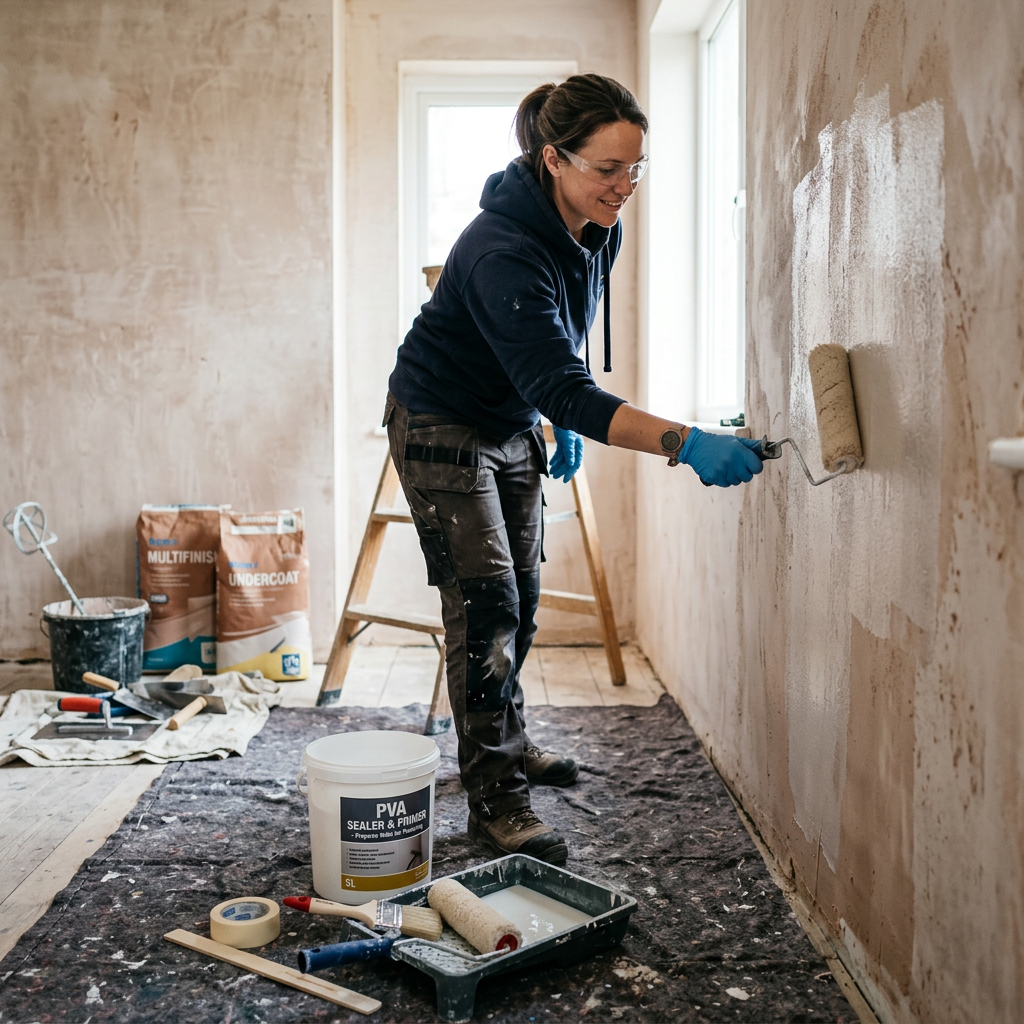
Do You Need to PVA Walls Before Plastering? Find Out!
Do I Need to PVA Walls Before Plastering?
Picture this: It’s Sunday morning in Clapham, and you're gearing up to give your living room a fresh look. With a can-do spirit, you’ve decided to tackle the plastering yourself. But as you look at the bare walls, a daunting question strikes you—Do I really need to PVA these walls before I plaster? If you've found yourself asking this very question, you're not alone. Many DIY enthusiasts and homeowners wonder whether PVA, or Polyvinyl Acetate, is a necessary step in the plastering process. Let’s dive deep into this often-misunderstood topic together!
Understanding PVA and Its Role in Plastering
Before we analyze whether it’s essential to PVA your walls, let’s unpack what PVA is and its purpose in plastering. PVA glue is widely used in construction, known for its adhesive properties. In the context of plastering, it serves primarily as a primer to prepare surfaces, promote adhesion, and reduce absorbency.
Benefits of Using PVA
- Improved Adhesion: PVA helps the plaster bond better to the wall, decreasing the chances of it cracking and falling off over time.
- Control Absorbency: Surfaces like old plaster, new drywall, or painted walls can absorb water at different rates. PVA helps homogenize this absorption, ensuring an even application of plaster.
- Reduced Plaster Wastage: A well-primed surface allows for a smoother finish, thus minimizing the amount of plaster you’ll need.
When Should You PVA?
Ideal Scenarios for PVA Usage
PVA is particularly advantageous in certain situations, including:
- New Walls: Freshly applied plaster or new plasterboards.
- High Absorbency Surfaces: Porous walls that soak up moisture quickly.
- Old Surfaces: Previously plastered walls that may be dusty or damaged.
When You Might Skip PVA
Conversely, PVA might not be necessary in the following situations:
- Already Finished Walls: If the walls are already skimmed and in good condition, PVA is often redundant.
- Use of Certain Plaster Products: Some modern plasters do not require a primer, thanks to their advanced formulations.
Practical Steps to PVA Your Walls
If you've determined that PVA is right for your project, here’s how to do it effectively:
Step-by-Step Guide:
- Clean the Wall: Remove dust, dirt, or grease to ensure good adhesion.
- Dilute the PVA: Mix PVA glue with water in a ratio of about 1:4 (one part PVA to four parts water).
- Apply Evenly: Use a brush or roller to apply the mixture evenly over the entire wall surface, ensuring full coverage.
- Let it Dry: Allow the PVA to dry completely (usually around 1-2 hours) before applying your plaster.
- Test for Absorbency: If you’re unsure, sprinkle a little water on the surface; if it beads up, PVA is necessary.
Cost Considerations
Applying PVA is relatively inexpensive. A 5-liter bucket of PVA typically costs around £20-£30, depending on the brand. Considering the advantages it offers, it’s a small investment that can lead to significant long-term benefits.
FAQ
## FAQ
1. Can I plaster directly without using PVA?
Absolutely, if your walls are in good condition and do not absorb moisture excessively, you can skip PVA. However, doing a test with water absorption can guide your decision.
2. What happens if I don’t use PVA on absorbent surfaces?
If you skip PVA on highly absorbent surfaces, the plaster may dry unevenly, potentially leading to cracking and peeling, which would result in more work and expense in the long run.
3. How long should I wait after PVA before plastering?
Typically, waiting around 1-2 hours for the PVA to dry completely is sufficient. Just make sure it’s no longer tacky before you start plastering.
4. Can I use a different product instead of PVA?
Yes, alternative primers like bonding agents or specialist plaster primers can be used, although PVA is one of the most economical choices.
5. Is PVA suitable for all types of plaster?
While PVA works well with most plasters including multi-finish and bonding, always check the manufacturer's guidelines for specific recommendations for your chosen plaster.
Conclusion
In summary, using PVA on your walls before plastering can significantly enhance the bond between the wall surface and the plaster, leading to a flawless finish and long-lasting results. Understanding its relevance and applying it correctly can save time, money, and added stress down the line.
If you’re in London and seeking professional help with plastering, look no further than London Plastering Service. Our professional plastering team is ready to assist you with any plastering needs, including wall skimming services. Want to see our work? Check out our gallery of completed projects or explore more at our blog for additional tips and guides.
Don’t hesitate—give your home the transformation it deserves! Contact us today for a free consultation and quote.
Related Plastering Guides & Services
Need Professional Plastering?
Get expert plastering services in London. Free quotes within 60 minutes.