
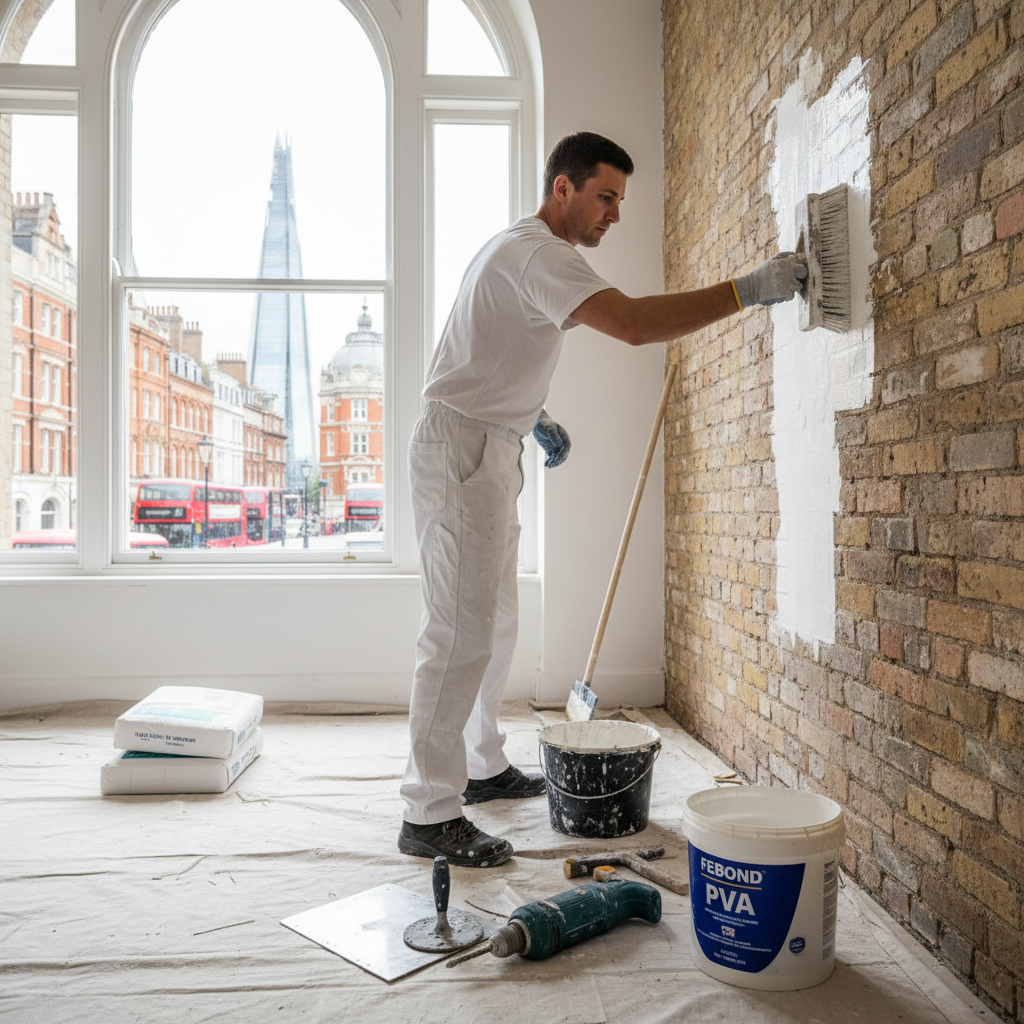
Do You Need to PVA Walls Before Plastering?
Understanding PVA and Its Role in Plastering
Imagine this: You’ve decided to refresh your London home, tackling the bare walls that have seen better days. You gather your tools and plaster, ready to transform your space, but one nagging question lingers: Do I need to PVA the walls before plastering? You’re not alone; countless homeowners in bustling London neighborhoods like Camden, Hackney, and Islington have grappled with this essential aspect of the plastering process. So, let's peel back the layers and explore this very important topic.
PVA, or Polyvinyl Acetate, is commonly used as a primer in the plastering trade. It's designed to enhance the adhesion of plaster to various surfaces. But is it really necessary? In this guide, we’ll dive deep into the specifics, helping you understand when and why using PVA is a wise choice for your plastering project.
When Should You Use PVA Before Plastering?
1. On New, Bare Surfaces
New plasterboard, concrete, or cement surfaces can be quite porous. Applying PVA helps seal these surfaces, preventing excessive absorption of moisture from the plaster, which can lead to cracking and uneven finishes.
2. To Improve Adhesion
Older surfaces or those previously painted may have had their texture altered, making it difficult for new plaster to stick. If you're working with such surfaces, a coat of PVA can provide that necessary bond.
3. With Slippery or Smooth Surfaces
In the case of tiles or very smooth surfaces, PVA acts as a primer, giving the plaster something to grip onto. Smooth surfaces often struggle with plaster adhering properly, leading to a lack of durability over time.
4. Damp Areas
In areas prone to dampness, such as kitchens or bathrooms, using PVA before plastering can provide an additional layer of moisture resistance, ensuring that the plaster remains intact and prevents long-term damage.
Benefits of Using PVA Before Plastering
If you’re still on the fence about using PVA, here are a few compelling reasons why it’s often recommended:
- Enhanced Adhesion: Ensures that the plaster adheres properly to the surface, reducing the risk of peeling or cracking.
- Promotes a Smooth Finish: Helps achieve a professional-looking finish that’s hard to beat.
- Moisture Control: Minimizes moisture absorption which can cause plaster problems later on.
Practical Steps: How to Use PVA Before Plastering
-
Prep the Surface
- Ensure your walls are clean and free from dust, grease, or old paint. It’s important because impurities can affect adhesion.
-
Dilute the PVA
- Mix PVA with water in a ratio of about 1:4 (one part PVA to four parts water). This dilution aids penetration into porous surfaces.
-
Apply the PVA
- Use a paintbrush or roller to apply an even coat across the wall. Make sure to cover all areas thoroughly.
-
Allow to Dry
- Let the PVA dry completely before applying plaster. This can take anywhere from 30 minutes to a couple of hours depending on ambient temperature and humidity.
-
Proceed with Plastering
- Once dry, it’s time to mix your plaster and get started!
Pricing Estimates
If you’re considering hiring expert plasterers from London Plastering Service, typical pricing for plastering jobs can range from £15 to £40 per square meter, depending on factors like wall condition, plaster type, and the complexity of the job. This investment ensures a durable and professional finish.
FAQ
1. Can I skip PVA if my walls are already painted?
Yes, you should still consider PVA if your walls are painted, especially if the paint is glossy or chipping. PVA can help to improve plaster adhesion.
2. How long should I wait after applying PVA before plastering?
It’s best to wait at least 30 minutes, or until the PVA is completely dry to the touch, before proceeding with plastering.
3. Is PVA the same as primer?
While PVA can serve as a primer, it’s specifically designed for porous surfaces to enhance adhesion and it might not have the same properties as specialized primers meant for paint.
4. What happens if I don’t use PVA?
Not using PVA can lead to poor adhesion, resulting in cracks, chips, and an unprofessional finish over time.
5. Can I use PVA on previously plastered surfaces?
Yes, but make sure the previous plaster is sound. It can help with adhesion if you're plastering over older surfaces that might be dusty or chalking.
Conclusion
Taking the step to PVA your walls before plastering is ultimately about ensuring a durable and beautiful finish. For homeowners in areas like Chelsea or Fulham, where property values are high, investing time and effort into the prep work can mean the difference between a mediocre job and a stunning transformation.
Ready to take your plastering project to the next level? Don’t hesitate to reach out to our professional team at London Plastering Service, who can guide you through the process. Check out our Gallery for inspiration and examples of our work. If you’re looking for expert local plasterers in your area, we're just a call away! Visit our Blog for more tips and plastering guides. Your walls deserve a perfect finish, so let’s get started today!
Related Plastering Guides & Services
Need Professional Plastering?
Get expert plastering services in London. Free quotes within 60 minutes.