
Do Landlords Need to Replaster Walls? UK Law Explained
Does a Landlord Have to Replaster Walls? UK Law Explained
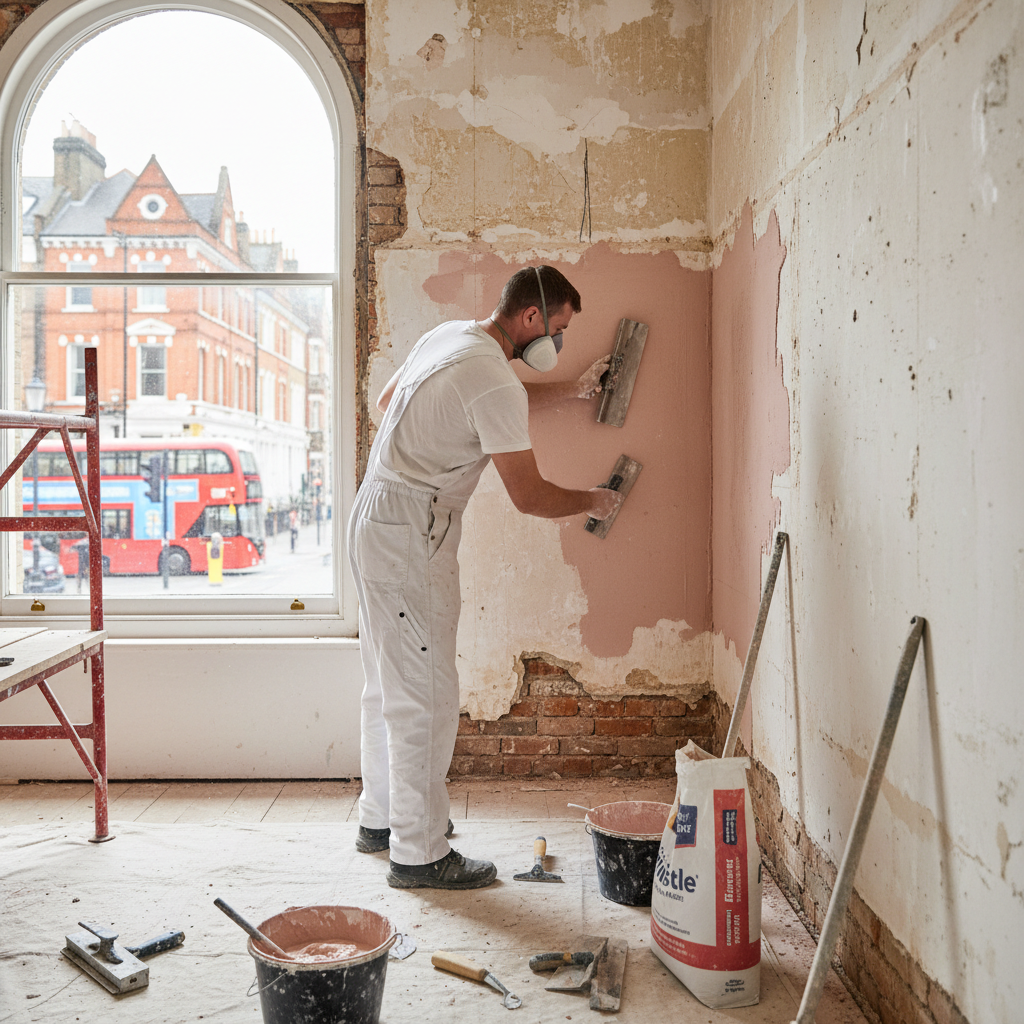
Imagine moving into your dream London flat, only to discover the walls are cracked, peeling, and in dire need of plastering. You may wonder: does your landlord have any obligations in this case? Understanding your rights as a tenant and the responsibilities of your landlord regarding wall maintenance can make all the difference in ensuring a comfortable living experience. This blog post delves into the UK laws surrounding landlord responsibilities concerning plastering, particularly when it comes to the state of your walls.
Understanding Landlord Responsibilities
In the UK, rental agreements are governed by various laws, predominantly the Housing Act 1988 and the Landlord and Tenant Act 1985. These laws establish the conditions under which a property must meet fitness standards for human habitation. As a landlord, ensuring the property is well maintained is crucial.
Key Responsibilities Include:
- Maintenance of Structure and Exterior: Landlords are responsible for maintaining the structure, including walls, roofs, and foundations.
- Repairs to Plumbing and Heating Systems: Any issues relating to plumbing, heating, and sanitation must be promptly addressed.
- Provision of a Safe Environment: Landlords must ensure that the property is safe, meaning that old or damaged plaster that could lead to injuries must be repaired.
When Does Replastering Fall Under These Responsibilities?
Plastering becomes a landlord’s responsibility when it affects the safety and health of the tenants. For instance:
- Cracked or Falling Plaster: This could indicate underlying structural issues, posing a hazard.
- Mould and Damp Issues: If damp leads to mould growth, the landlord must address it to ensure a healthy living environment.
What happens if the walls are intact but suffer cosmetic damage? While aesthetic issues may not be legally mandatory for landlords to rectify, addressing them may retain tenant satisfaction, especially in high-demand areas like Kensington or Battersea.
The Legal Framework
When it comes to legal obligations, key regulations influencing landlords include:
1. The Landlord and Tenant Act 1985
This act outlines the basic rights of tenants and includes the landlord's duty to keep the property fit for human habitation. It suggests that landlords must manage structural safety, including the integrity of plastering.
2. Housing Health and Safety Rating System (HHSRS)
The HHSRS is a risk-based assessment used to ensure residential properties meet health and safety standards. A landlord may be obligated to replaster if the current state creates a health hazard, such as leading to asbestos exposure.
Practical Tips for Landlords and Tenants
Here are some actionable tips and considerations for both landlords and tenants regarding wall maintenance:
For Landlords:
- Conduct Regular Inspections: Schedule routine checks on your properties to identify any plaster deterioration.
- Respond Promptly to Tenant Complaints: Immediate action prevents small issues from becoming larger hazards.
- Hire Professionals: Engage a skilled plastering team like London Plastering Service for any necessary repairs. This can also be a cost-effective strategy to maintain the property’s value.
- Budget for Repairs: Set aside funds annually to cover maintenance costs, which on average can range from £200 to £800 per room for replastering, depending on the extent of damage.
For Tenants:
- Document Any Damage: Keep records of wall conditions upon moving in and throughout your stay.
- Report Issues Promptly: Notify your landlord immediately if you notice cracks or damp spots.
- Understand Your Lease: Familiarize yourself with your rental agreement, as it might outline specific maintenance responsibilities.
FAQ
What conditions necessitate replastering?
Cracked or disintegrating plaster, signs of damp, or substantial surface damage often necessitate replastering. Furthermore, any risks to tenant safety should prompt immediate action.
How long does replastering take?
Typically, replastering a room can take 1 to 3 days, depending on the extent of the damage and drying times.
Are landlords legally required to replaster before a new tenant moves in?
If the walls are showing signs of wear or damage that could pose risks to health and safety, the landlord may have a legal obligation to address these issues before a new tenant moves in.
What should tenants do if their landlord refuses to replaster?
Tenants can pursue resolution by formally notifying the local council or consider legal advice if necessary. Keeping detailed records of all correspondence is essential.
How can London Plastering Service help landlords?
We offer comprehensive plastering services, including assessments, repairs, and restorations, ensuring your property meets necessary standards. Visit our gallery to see our completed projects.
Conclusion
Understanding the legal obligations of landlords regarding wall plastering is vital for maintaining quality rental properties in London. While the law requires landlords to ensure their properties are safe and fit for habitation, proactively addressing plaster damage not only enhances tenant security but also improves tenant satisfaction.
If you're a landlord in London needing assistance with replastering, contact us today to get a quote or learn more about our services. Keeping your property in top shape is essential not just for legal compliance, but also for providing a welcoming home to your tenants.
Related Plastering Guides & Services
Need Professional Plastering?
Get expert plastering services in London. Free quotes within 60 minutes.