
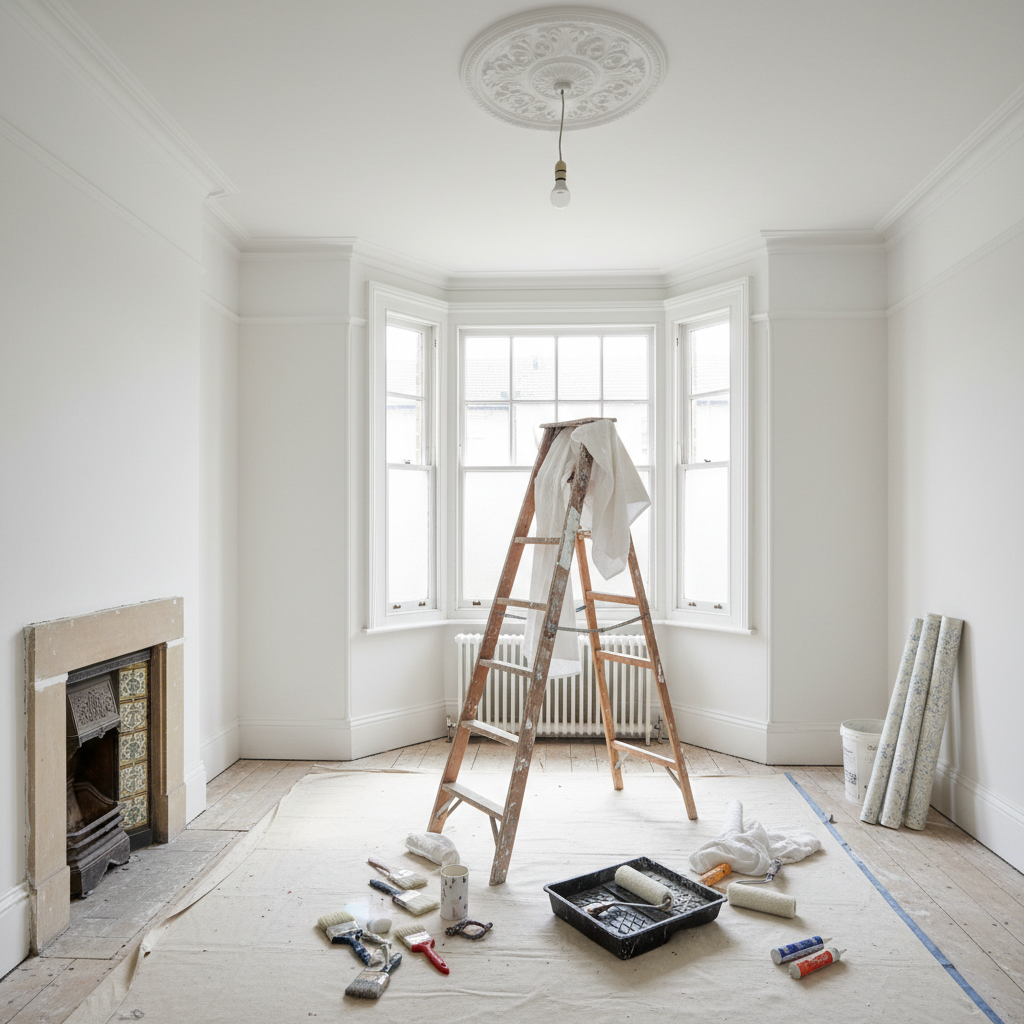
Decorating After Plastering: Your Essential Timeline Guide
How Long After Plastering Can You Decorate?
Imagine this: you've just had your walls freshly plastered, and you can't wait to transform your living room with fresh wallpaper or a coat of paint. You're excited, but a question lingers in your mind: how long do I have to wait before I can start decorating?
You're not alone in asking this! Many London homeowners find themselves in this predicament, especially after renovating older properties in areas like Islington or Wandsworth, where the charm of period features blends with modern aesthetics. In this blog, we will delve into the timing of when to decorate after plastering to ensure you achieve the best finish possible.
The Importance of Waiting After Plastering
Before we jump into specifics, it's crucial to understand why patience is key. Fresh plaster contains moisture. If you apply paint or wallpaper too soon, several issues may arise:
- Poor Adhesion: Paint won’t stick well to damp plaster, leading to peeling.
- Mould Growth: Excess moisture can result in mould, a common problem in damp London homes.
- Uneven Finishes: Dampness can cause painted surfaces to dry unevenly, ruining your hard work.
To prevent these issues and achieve that flawless finish, we need to talk timelines.
How Long Do You Really Need to Wait?
General Guidelines
Typically, you should wait:
- For Internal Walls: 2 to 4 weeks, depending on thickness and drying conditions.
- For External Walls: At least 4 to 6 weeks, as they take longer to dry due to environmental factors.
Factors Influencing Drying Time
Drying times can vary based on several factors:
- Humidity Levels: Higher humidity slows down drying. London tends to be humid, particularly in autumn and winter.
- Temperature: Warmer weather helps plaster to dry faster. Ideal room temperature is between 18°C to 24°C.
- Thickness of Plaster: Thicker layers take longer to dry.
So, if you've recently plastered a wall in your Hackney flat, be aware that those comforting autumn showers can extend your drying time.
Tips for Checking Plaster Dryness
It’s critical to ensure your plaster is thoroughly dry before decorating. Here are some practical tips:
- Touch Test: Gently press your hand against the plastered surface. If it feels cool or damp, wait a few more days.
- Visual Inspection: Look for any discolouration or dark patches, indicating moisture.
- Moisture Meter: For the tech-savvy, investing in a moisture meter can provide an accurate reading of plaster moisture levels.
Preparing to Decorate
Once you're confident that your plaster is dry, it’s time to prepare:
Tools and Materials You'll Need:
- Primer: Sealers or primers to create a suitable base for your paint or wallpaper.
- Paint or Wallpaper: Choose high-quality options for the best finish. Expect to pay around £25-£100 per roll for premium wallpaper in London.
- Brushes and Rollers: Invest in some durable application tools to make your decorating process smoother.
Steps for Decorating:
- Clean the Surface: Dust and debris can affect adhesion.
- Apply Primer: Primer helps paint adhere well and reduces the amount of paint needed.
- Decorate: Whether painting or wallpapering, follow product instructions carefully.
- Curing Time: Allow adequate curing time for paint or wallpaper (typically 24 hours).
For additional insights and vibrant examples, check out our Gallery - View our completed projects!
FAQ
## How long does plaster take to dry in a humid environment?
In humid environments like London, plaster can take longer to dry, extending the wait period by an additional week or more. Always check the moisture content to be safe!
## Can I paint straight over plaster?
No, it's best to apply a primer first. This helps the paint adhere better and prevents issues like peeling.
## What's the best type of paint for new plaster?
Use breathable paint that allows moisture to escape while being durable. Emulsion paints are commonly used for interior plastering.
## I’ve already painted but it’s peeling, what can I do?
You’ll need to strip the peeling paint and start the prep work again. Ensure the plaster is completely dry before repainting.
## Is wall skimming necessary before decorating?
Wall skimming provides a smooth surface and is highly recommended before painting or wallpapering, especially in older homes.
For tips specific to London’s local plastering needs, read more on our Blog - More plastering tips and guides.
Conclusion
In conclusion, waiting to decorate after plastering is essential for a beautiful and lasting finish. By understanding the drying times, checking the moisture levels, and following the right steps, you can transform your walls into a stunning visual foundation for your home. Don't rush the process!
If you're in need of professional plastering services, remember that the London Plastering Service specializes in delivering quality results across the city. Our experienced team is here to help ensure your renovations are successful. Contact us today for a quote!
By taking your time and allowing your plaster walls to cure fully, you're setting yourself up for a successful and vibrantly decorated space.
Related Plastering Guides & Services
Need Professional Plastering?
Get expert plastering services in London. Free quotes within 60 minutes.