
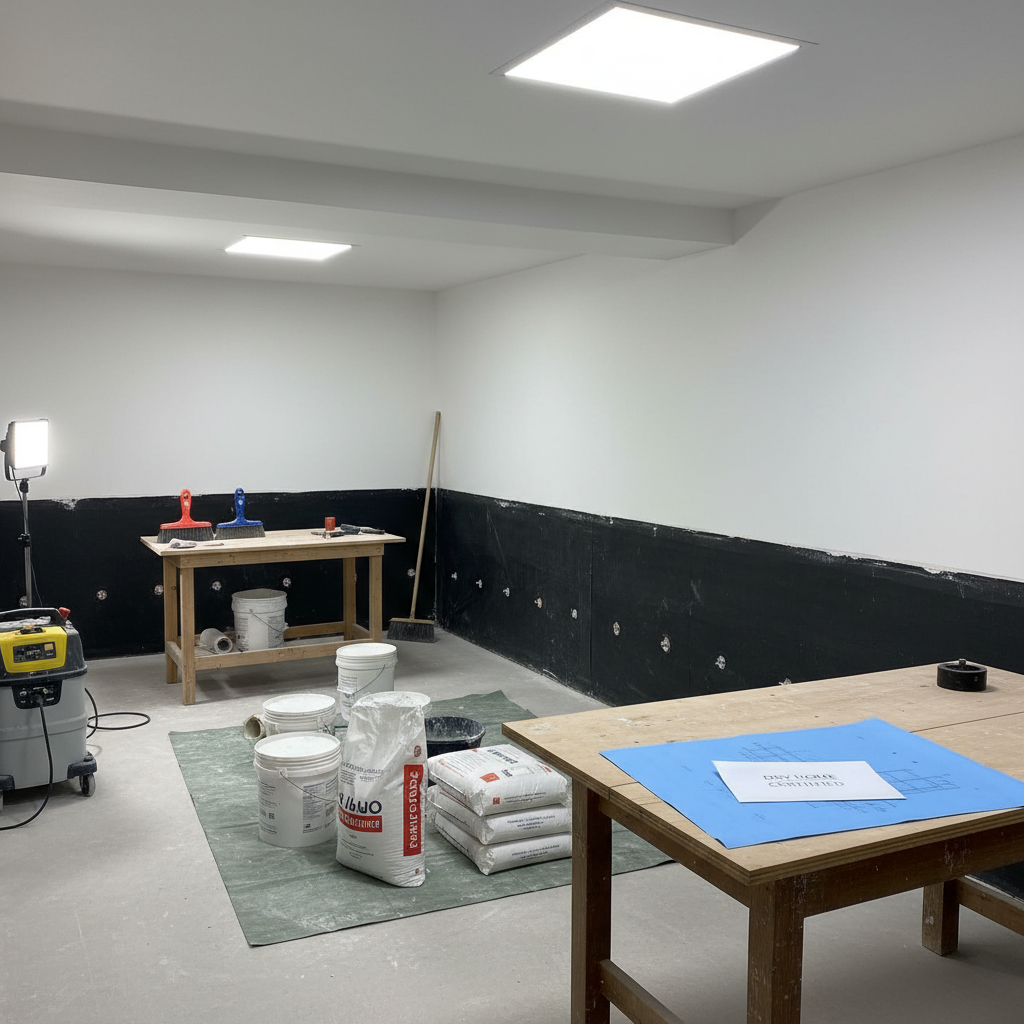
Damp Proof Plastering Solutions for Basement Walls
Damp Proof Plastering Solutions for Basement Walls
When Sarah bought her charming Victorian home in Camden, she envisioned hosting cozy family gatherings in the basement. However, after just one rainy London weekend, that dream was threatened by damp patches creeping across her walls. Little did she know, the solution lay in effective damp proof plastering techniques that could transform her basement from a moisture-ridden cave into a warm, inviting space.
If you've found yourself in a similar situation, don't fret! This guide dives deep into the world of damp proof plastering solutions specifically designed for basement walls, helping protect your prized property and maintain a healthy living environment.
Understanding Basement Dampness
Before we explore the damp proof plastering options, it's crucial to understand why basements are prone to damp issues. Factors contributing to basement dampness include:
- Poor drainage systems
- High water tables
- Condensation
- Leaky plumbing
In London, with its varying architectural styles and weather conditions, it’s essential to know the root causes of dampness and choose the right approach to address them.
Damp Proof Plastering Solutions
1. Damp Proof Membrane (DPM)
Installing a damp proof membrane is a straightforward yet effective way to protect your basement walls. This plastic sheet acts as a barrier, preventing moisture from penetrating your walls. Here’s how to install it:
- Prepare the Wall: Remove any loose plaster and clean the surface.
- Apply the DPM: Cut to size and firmly attach it to the wall using specialized adhesive.
- Seal the Edges: Use adhesive tape to seal all joints for optimal protection.
2. Waterproof Plaster
Waterproof plaster is formulated to withstand moisture and is perfect for basement walls.
- Preparation: Ensure the surface is clean and free from contaminants.
- Application: Mix the waterproof plaster according to the manufacturer's instructions, applying it with a trowel.
- Finishing: Smooth the surface before it sets for an even finish.
3. Render with Additives
For an added layer of protection, consider using render mixed with waterproof additives.
- Choose a Quality Render: Look for a product specifically designed for damp conditions.
- Mix Additives: Follow the manufacturer's instructions carefully.
- Application: Apply in two coats for optimal coverage.
Practical Tips for Homeowners
- Assess the Source of Damp: Check your drainage and ensure gutters are clear to avoid water overflow.
- Keep Your Basement Ventilated: Use dehumidifiers or open windows regularly to reduce moisture.
- Consider Insulation: Insulating your walls can help prevent temperature fluctuations that lead to condensation.
Estimated Costs
The cost of damp proof plastering solutions can vary significantly depending on the size of your basement and the method chosen:
- Damp Proof Membrane Installation: £20-£35 per square meter.
- Waterproof Plaster Application: £30-£50 per square meter.
- Render with Additives: £25-£45 per square meter.
Why Hire Professionals from London Plastering Service
Instead of tackling this on your own, consider hiring professionals like London Plastering Service for expert damp proof plastering solutions. Their team is equipped to handle projects across London, delivering excellent results that comply with local building regulations.
FAQ
1. How can I tell if my basement needs damp proofing?
Look for signs such as mold growth, peeling paint, damp patches, or a musty odor. If you notice these, it's time to get professional advice to assess the condition of your walls.
2. How long does it take to damp proof a basement?
The timeframe can vary but generally expect the job to take 2-5 days, depending on the methods used and the size of the basement.
3. Can I do the damp proofing myself?
While DIY is possible, we recommend hiring professionals to ensure the job is done correctly. Mistakes can lead to costly damage in the long run. Check out our Gallery to see our previous successful damp proofing projects.
4. What are the benefits of waterproof plaster compared to traditional plaster?
Waterproof plaster is designed to resist moisture and prevent mold growth, unlike traditional plaster which can deteriorate over time in damp conditions.
5. Is damp proof plastering covered by home insurance?
Many home insurance policies cover damp proofing, especially if it is done professionally. Always check with your insurance provider for specific coverage details.
Conclusion
Damp proof plastering solutions for basement walls are crucial for maintaining a dry and livable home, especially in a city like London where dampness can be a common issue. By understanding the various options available and the importance of professional help, you can protect your property and enhance its value.
If you’re ready to transform your damp basement into a dry, usable space, contact the experts at London Plastering Service. Take the first step towards a moisture-free future today!
For more tips and tricks on plastering and home improvement, be sure to check out our Blog.
Related Plastering Guides & Services
Need Professional Plastering?
Get expert plastering services in London. Free quotes within 60 minutes.