
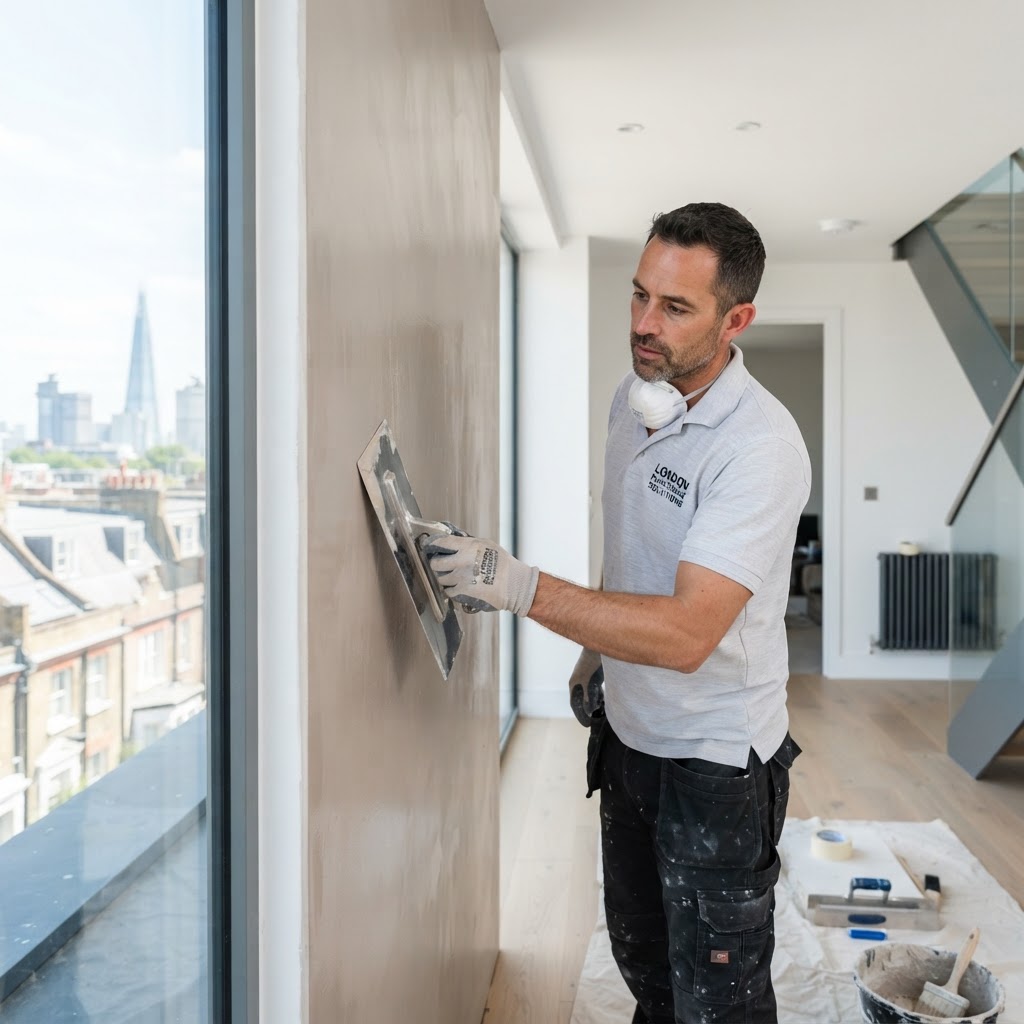
Choosing the Right Plasterer in London: An Expert Checklist
Choosing the Right Plasterer in London: An Expert Checklist
Finding a Trusted Plasterer in London
Finding a reliable tradesperson in a city as complex as London is more than just searching online; it is an exercise in local expertise. Whether you are dealing with a historic Grade II listed property in Kensington (W8) or a high-rise modern apartment in Canary Wharf (E14), quality workmanship is the definitive barrier between a pristine, long-lasting wall and a costly, recurring repair headache. At London Plastering Service, we believe that informed homeowners make the best decisions. This guide will walk you through the essential steps to identify a true professional plasterer in London, ensuring your investment adds value to your property.
The Importance of Professionalism and Local Knowledge
A substandard plastering job is not merely an aesthetic eyesore; it can lead to long-term structural issues, including hairline cracks, damp spots, and even detachment of the skim coat. When vetting potential contractors, you must look for a track record that matches your specific building type. A plasterer experienced in working on Victorian terraces in Wandsworth (SW18) will have a completely different toolkit and technique than one specialized in luxury new-builds in Shoreditch (EC2A). Always look for genuine reviews that mention specific tasks, such as Wall Skimming London or Dry Lining London. A competent plasterer should be able to provide references or photographic evidence of recent work in your specific borough, whether that is the tight access lanes of Westminster, the humidity-prone areas of Greenwich, or the bustling renovations in Camden.
Expert Checklist for Hiring
1. Verify Insurance and Professional Qualifications
In the competitive London trade market, valid Public Liability Insurance is non-negotiable. Always ask for proof of current insurance to protect yourself against potential accidents, such as water damage to your flooring or accidental structural interference. Furthermore, ensure the contractor holds relevant NVQ qualifications in Plastering. This ensures they are up to date with current British Standards (BS EN 13914).
2. Request a Granular, Detailed Quote
Never accept a rough verbal estimate, especially for large-scale renovations. Transparent pricing is the mark of a professional. You should expect a written quote that clearly breaks down costs, including materials (plaster, bonding agent, beading) and labor. For a baseline, reference our Plastering Prices London guide. Ensure the quote explicitly states if it includes VAT, waste disposal (skip hire in London can cost between £250 and £450), and surface preparation. Hidden costs often appear as 'extra prep time' or 'scaffolding hire' if not agreed upon in writing.
3. Evaluate Material Expertise
Modern plastering requires more than just gypsum. In London’s historic homes, traditional lime plastering is often required to allow walls to 'breathe.' If your property is pre-1940, ask your contractor about their experience with lime mortar and heritage restoration. Using standard hard-wall plaster on an old masonry wall can trap moisture, causing severe decay.
4. Site Preparation and Cleanliness
Ask the contractor specifically how they handle site protection. A true pro will use heavy-duty floor protection (like Correx sheets) rather than thin plastic film. If a quote does not include a detailed plan for post-job waste removal and deep cleaning, you should be wary of potential hidden costs later on.
2026 London Plastering Price Guide: A Deep Dive
London pricing reflects the high cost of skilled labor, transport, and the premium nature of craftsmanship in the capital. As of 2026, you should anticipate these market ranges, adjusted for borough-specific logistics:
- Wall Skimming: £250–£450 per room. Prices are higher in Central London (Zone 1) due to congestion charges and parking constraints.
- Full House Replastering: £4,000–£9,000 for a standard 3-bed Victorian terrace. This includes hacking off old, loose plaster and applying two coats of backing plaster plus a skim coat.
- Dry Lining Installation: £500–£1,000 per room. Variations depend on the inclusion of thermal insulation boards, which are highly recommended for older drafty properties in North London.
- Emergency Patching: £150–£350 (standard call-out for Emergency Plaster Repair London).
- Rendering (External): £60–£120 per square meter, depending on the material (e.g., K-Rend vs. traditional sand and cement).
Note: These prices are estimates. Always ensure your Plastering Cost London analysis includes a contingency fund of at least 15% for unforeseen issues behind the walls, such as rotten timber studs or outdated electrical cabling.
Frequently Asked Questions (FAQs)
How long should plaster take to dry before painting?
In the London climate, indoor moisture levels are often high, which can slow the curing process. It typically takes 3 to 7 days for plaster to dry completely. We recommend waiting until the wall has turned a uniform light pink color. Never apply paint to damp plaster, as this will prevent the wall from breathing and lead to flaking paint later. Use a breathable mist coat (a mix of water and emulsion) as the first layer.
Should I opt for a full replaster or just skimming?
If your walls have deep, extensive cracks, signs of salt damp, or crumbling mortar underneath, a Full House Replaster London is far more cost-effective in the long run. Skimming is a surface-level fix; it will not hide structural substrate failure and you may find yourself paying for the same wall to be repaired twice.
How does the location of my home affect the quote?
London is unique. If you live in a Controlled Parking Zone (CPZ) in boroughs like Islington or Kensington, the plasterer must pay for parking permits and potentially higher congestion charges. These costs are usually passed on in the quote. Being upfront about parking access can sometimes save you money.
Can I install dry lining over existing walls to save money?
Yes, dry lining is an excellent way to improve thermal efficiency in older homes. However, you must ensure the underlying wall is stable. If there is significant dampness, dry lining over it will only hide the problem, allowing mold to grow behind the new board. Always have the wall treated for damp before installing any lining system.
How do I identify if a wall needs a skim or a full re-skim?
Test the wall by gently tapping it. If you hear a hollow sound, the plaster has 'blown' (lost its bond with the brickwork) and needs to be replaced entirely. If the wall is solid but has a rough or wavy finish, a standard skim will be sufficient for a smooth, glass-like finish.
Conclusion: Ready to Start Your Project?
Choosing a plasterer in London doesn't have to be a gamble. By verifying credentials, demanding written quotes, understanding the 2026 market rates, and considering the unique needs of your specific property, you can ensure your walls remain in top condition for years. Whether you are prepping for a sale or renovating your forever home, do not compromise on quality. Contact London Plastering Service today for a professional, transparent consultation. Let our experts handle the technical heavy lifting while you enjoy the flawless, professional results you deserve.
Related Plastering Guides & Services
Need Professional Plastering?
Get expert plastering services in London. Free quotes within 60 minutes.