
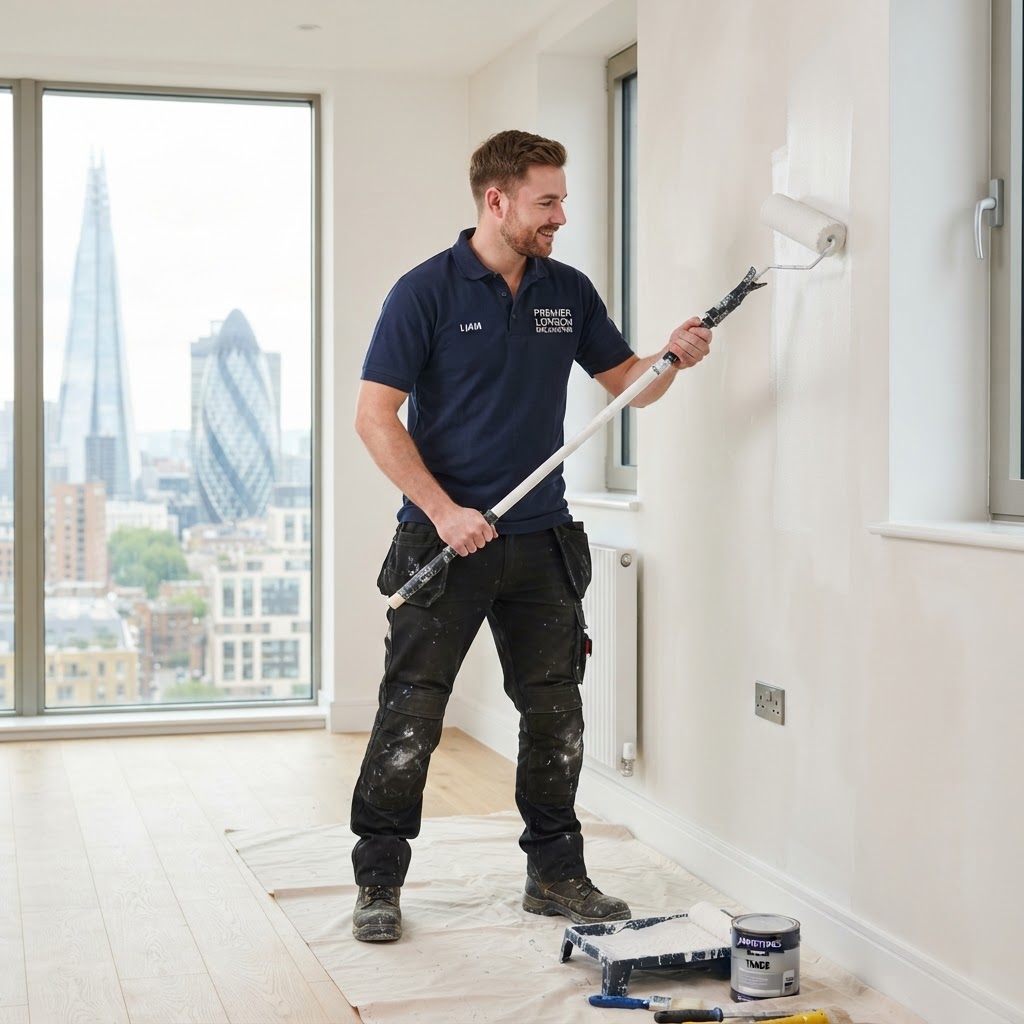
Choosing the Best Wall Primer: A Professional Plastering Guide
Introduction: Why Primer Matters for Your Walls
When undertaking home renovations in London, achieving a smooth, long-lasting finish is the ultimate goal. Whether you are dealing with a fresh skim coat or covering old paint, finding the best wall primer is the most critical step that many DIYers overlook. As professional experts at London Plastering Service, we see countless projects where paint peels or patches appear simply because the wall wasn't correctly primed before top-coating. In this guide, we will break down exactly how to choose the right primer for your specific wall conditions.
The Role of Primer in London Home Renovation
London homes, from Victorian terraces in Fulham to modern apartments in Canary Wharf, often present unique surface challenges. Moisture, fluctuating temperatures, and previous layers of decorative paint all impact how new paint adheres to your walls. Proper preparation is why our Wall Skimming London services are so highly rated; we ensure the substrate is perfectly ready for the paint to grip. Using the best wall primer acts as a vital bridge, sealing porous surfaces like new plaster and neutralising stains before you commit to expensive decorative coats.
Choosing the Best Wall Primer for New Plaster
If you have recently had Full House Replastering, you must be careful. New plaster is highly porous and 'thirsty.' If you apply standard emulsion directly, the moisture will be sucked out of the paint too quickly, leading to an uneven, chalky finish.
Types of Primers:
- Plaster Primer/Sealer: Specifically designed for fresh, alkaline surfaces.
- Multi-Purpose Primer: Good for general surfaces but check the label for alkalinity resistance.
- Oil-Based Primer: Best for covering persistent stains or smoke damage in older properties.
For a standard skimmed wall in a London flat, a 'mist coat' (a thinned-down water-based emulsion) is often considered the best wall primer approach by tradespeople. However, for a more robust finish, branded plaster sealers from local merchants cost approximately £25-£40 per 5L tin in 2026.
When to Use Specialist Primers
Not every wall is a blank canvas. If you are dealing with Artex Covering London or old surfaces, you might need something more heavy-duty. High-adhesion primers are essential when covering difficult substrates like glossed wood or shiny surfaces.
If you are worried about the Plastering Cost London homeowners face, remember that using the correct primer saves money in the long run. By preventing peeling and premature paint failure, you avoid the need for Emergency Plaster Repair and costly re-decoration down the line. When repairing ceilings, our Ceiling Plaster Repair London experts always recommend priming the patch twice before painting to ensure the colour matches the surrounding area.
Budgeting for Your Renovation
In the current London market, good quality professional-grade primer will cost between £8 and £12 per litre. If you are looking to hire professionals to handle the Plastering Prices London contractors typically charge, ensure that the scope of work includes surface preparation and priming. If you are handling Dry Lining London yourself, don't skimp on the joint compound priming, or you will see the joints 'flashing' through the paint once the light hits the wall.
FAQ
FAQ
1. Is a mist coat the same as the best wall primer?
A mist coat is a thinned-down emulsion used specifically for fresh plaster. While effective, it isn't technically a 'primer.' For older walls or surfaces with varying porosity, a dedicated high-quality wall primer is superior.
2. How much does professional wall preparation cost in London?
Preparation costs vary by surface condition, but for a standard room, you should factor in £150-£300 for professional prep and priming, excluding paint costs.
3. Can I prime over wallpaper?
No. You should always remove old wallpaper and ensure the substrate is sound. If the underlying plaster is damaged, contact a professional before applying any primer.
4. How long does primer take to dry?
Most water-based primers are touch-dry in 1-2 hours, but you should wait at least 4-6 hours before applying top-coat paint, depending on the room's ventilation and humidity.
Conclusion and Call to Action
Getting your wall preparation right is the difference between a amateur look and a professional, durable finish. Whether you are prepping for a DIY job or need expert assistance, London Plastering Service is here to help. If you're feeling overwhelmed by the scale of your renovation, let our professionals handle the heavy lifting. Contact London Plastering Service today for a free, no-obligation quote on your next project.
Related Plastering Guides & Services
Need Professional Plastering?
Get expert plastering services in London. Free quotes within 60 minutes.