
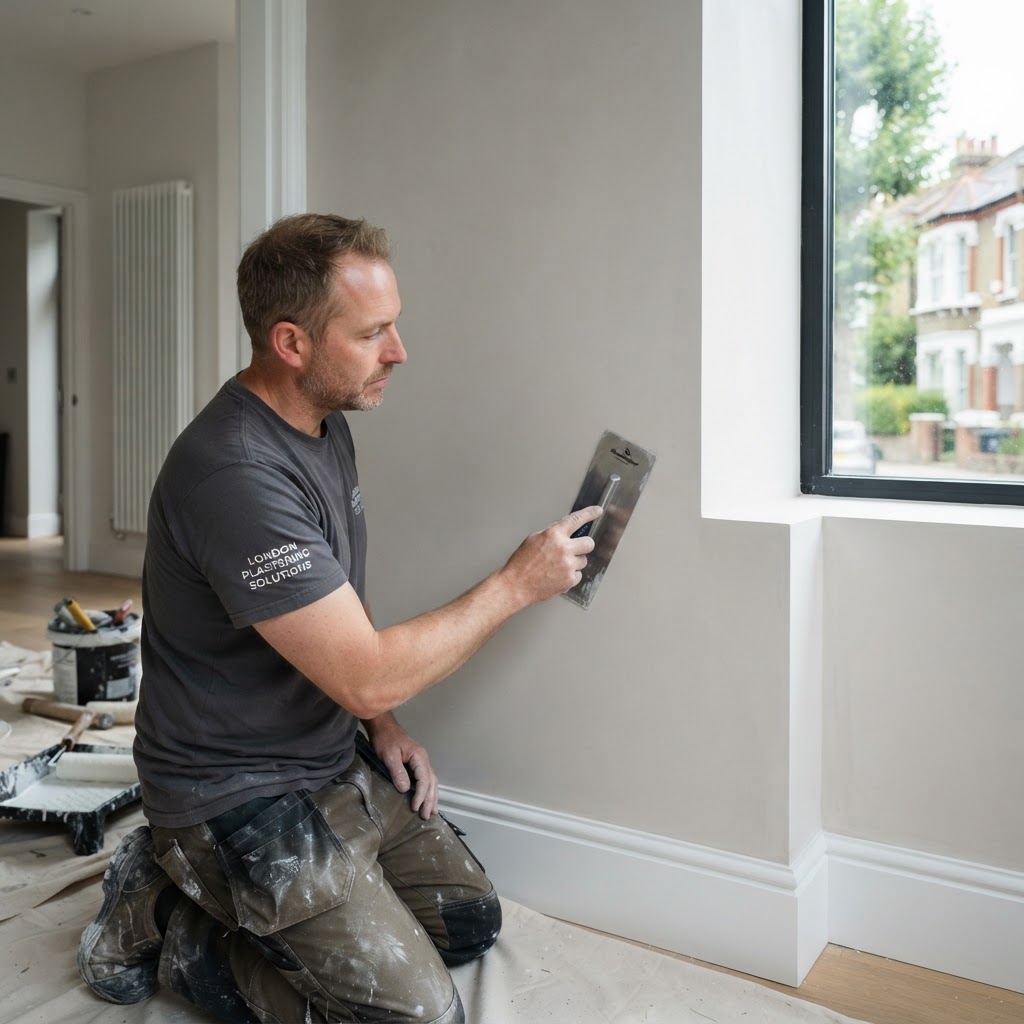
Choosing the Best Primer for Plaster: Expert London Guide
Understanding Why You Need the Best Primer for Plaster
If you have recently had work done by a professional plasterer, you know that the finish is only as good as the preparation that follows. Fresh plaster is highly porous and 'thirsty,' meaning it will soak up expensive paint like a sponge if not treated correctly. Choosing the best primer for plaster is the most critical step in ensuring your interior walls look pristine for years to come. In the competitive London market, whether you are refreshing a Victorian terrace in Islington or a modern apartment in Canary Wharf, using a high-quality primer prevents flaking, patchiness, and wasted paint.
Why Raw Plaster Needs Special Attention
Raw, or 'green,' plaster has a high pH level and high moisture content. If you apply standard emulsion directly to a surface that has just undergone Wall Skimming London, the paint will likely dry too quickly, leading to cracking or uneven texture. By selecting the best primer for plaster—typically a 'mist coat' or a high-quality acrylic sealer—you create a neutral barrier that allows the final decorative coats to adhere evenly. Many of our clients in Kensington or Chelsea who opt for Full House Replastering are often surprised by how much paint they save once the surface is correctly primed.
Top Recommendations for the Best Primer for Plaster
When we consult on projects across Greater London, we always recommend products that stand up to the city's varying humidity levels. Here are the industry standards for 2026:
- The Mist Coat Method: Often considered the "gold standard," this involves thinning a contract matt emulsion with 30-50% water. It remains the most cost-effective and reliable primer for new plaster.
- Acrylic Sealers: Products like Zinsser Grade 1 are excellent for sealing porous surfaces quickly, especially if you are working on Ceiling Plaster Repair London and need a rapid dry time.
- Stabilising Solutions: If the plaster is older or slightly dusty, a stabilising primer is essential to bind the surface particles together before painting.
Cost Implications and Planning Your Project
In London, the cost of materials and labour remains premium. When you calculate your Plastering Cost London budget, don't forget to allocate funds for high-quality primers. A 5-litre tin of a premium acrylic primer usually ranges from £25 to £40. While cheaper alternatives exist, skimping here often leads to more expensive remedial work later. We always advise checking our Plastering Prices London guide to see how these prep stages fit into your overall renovation budget. Even if you are dealing with a simple Artex Covering London project, proper priming remains non-negotiable for a professional result.
Step-by-Step Application Guide
- Ensure the Surface is Dry: New plaster can take 2-4 weeks to dry completely depending on ventilation.
- Dust Down: Even if you think the walls are clean, wipe them down to remove fine plaster dust.
- Application: Apply your chosen primer using a high-quality roller or brush. Do not overload the brush; light, even coats are superior to one thick layer.
- Inspect: Once dry, check for any 'holidays' (missed spots) and touch them up before starting your decorative top coats.
FAQ
Frequently Asked Questions
Do I really need a special primer for plaster?
Yes. Raw plaster is highly absorbent. Without a primer, your paint will be sucked into the surface, leading to an inconsistent finish and wasted product.
Can I use PVA instead of a primer?
No, we strongly advise against this. PVA creates a film that can cause future paint layers to peel off. Always use a proper mist coat or a breathable plaster sealer.
How long should I wait after plastering before priming?
For standard skim coats, wait at least 7-14 days. For deeper patches or Dry Lining London joints, wait until the plaster has turned a uniform light pink colour.
What is the best primer for plaster in humid areas like bathrooms?
Use a dedicated moisture-resistant primer. This helps prevent damp issues, which are common in many period properties across South London.
Conclusion: Get the Perfect Finish
Whether you are handling a DIY project or managing a large-scale renovation, using the best primer for plaster is the secret to a professional look. If you are ever unsure about the state of your walls or need help with Emergency Plaster Repair London, our team is ready to assist.
Ready to get started on your property project? Contact London Plastering Service today for a free, no-obligation quote and ensure your walls are prepared to perfection.
Related Plastering Guides & Services
Need Professional Plastering?
Get expert plastering services in London. Free quotes within 60 minutes.