
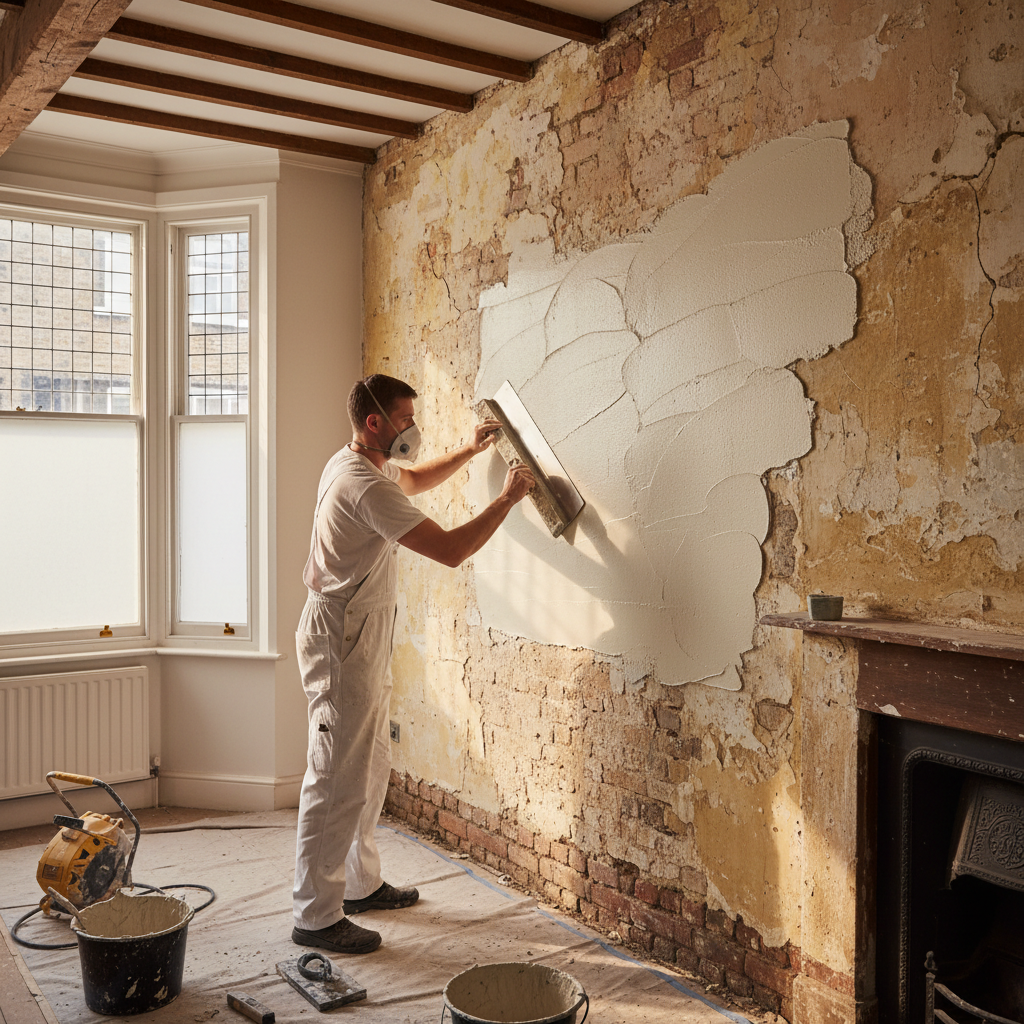
Can You Plaster Over Plaster? Complete Guide for London
Can You Plaster Over Plaster? A Comprehensive Guide
Plastering is an essential part of ensuring your walls and ceilings are smooth and ready for decoration. If you're in London and are wondering, can you plaster over plaster? the answer is yes! However, several factors must be considered to ensure a successful application. In this comprehensive guide, I'll walk you through the considerations, preparation, and costs associated with plastering over existing plaster.
If you need professional help, check out our expert team at Plasterer London for quality plastering services in your area.
Why Plaster Over Existing Plaster?
There are several reasons why you might want to plaster over existing plaster:
- Repair Damage: If your existing plaster has cracks, holes, or other imperfections, adding a new layer of plaster can make the wall look new again.
- Updating Texture: Installing a different texture or finish can modernize the look of your surface.
- Improving Insulation: Adding plaster can aid in insulation, helping improve your home's energy efficiency.
Preparing Your Surface Before Plastering
Before you start plastering over existing plaster, proper preparation is crucial to avoid issues like peeling or cracking. Follow these steps:
1. Clean the Surface
- Remove dust, dirt, and debris.
- Use a damp cloth to wipe down old plaster and let it dry completely.
2. Inspect for Damage
- Check for cracks or loose areas.
- Repair any damaged spots by chipping away the loose plaster.
3. Apply a Bonding Agent
- A bonding agent can help the new plaster adhere to the old plaster. This is particularly important for shiny or smooth surfaces.
- Products like PVA (polyvinyl acetate) glue or specialist bonding agents are effective. Dilute with water according to the manufacturer's instructions before applying.
4. Consider the Thickness of Application
- For thicker applications, consider whether the old plaster can support it. Generally, plaster can be applied in layers up to 3-6mm thick.
- If you plan to add more than that, consult a professional.
Steps to Plaster Over Old Plaster
Once you've prepared the surface, follow these steps to apply your new plaster:
Step 1: Mix Your Plaster
- Use a high-quality plaster mix suitable for internal use to ensure durability.
- Follow the manufacturer's instructions for mixing.
Step 2: Apply the First Layer
- Use a trowel to apply the first layer of plaster evenly, pressing it into the surface.
- Aim for a thickness of about 3mm if possible.
Step 3: Create a Level Surface
- Use a straight edge to level the plaster and knock off any high spots.
Step 4: Apply Additional Layers
- If you need to apply multiple layers, make sure to allow the first layer to dry slightly before adding the next.
- A typical drying time is around 24 hours depending on the humidity and thickness.
Step 5: Final Finishing
- Once fully dry, sand the surface lightly for a smooth finish and apply a final coat if necessary.
- If you want an artex finish or any specific design, this can be done prior to the final drying.
Costs of Plastering Over Plaster in London (2026)
When considering plastering over existing plaster, cost can vary significantly based on several factors, including:
- Area Size: Larger rooms will naturally incur higher material and labor costs.
- Accessibility: Difficult-to-reach areas may warrant increased labor.
- Condition of Original Plaster: Significant repairs may cause additional charges.
Average Pricing:
- Materials: Expect around £10-£20 per bag of plaster, depending on quality.
- Labor Costs: London plasterers typically charge between £150 and £300 per day. For small jobs (like plastering a single room), labor may range from £300 to £600.
- Overall Costs: For an average-sized room (15 m²), you could expect total costs ranging from £500 to £1,200. Always ask for a quote tailored to your specific needs. For more insights on pricing, visit Plastering Prices London.
Example:
- A mid-range job on a living room wall, requiring a full skim, may be priced approximately at £800, including materials and labor.
Frequently Asked Questions (FAQs)
1. How long does plastering over plaster take?
The entire process can take 1-3 days, depending on the area size and number of layers required. Allow for drying time between layers, usually around 24 hours.
2. Can I plaster over painted plaster?
Yes, but it’s essential to clean the surface and use a bonding agent to ensure good adhesion. Removing any loose paint will also help.
3. Is it necessary to remove the old plaster before applying new plaster?
Not necessarily, but if the old plaster is badly damaged or crumbling, it's advisable to remove it to ensure stability for the new layer.
4. Can I do this myself?
While DIY plastering is possible, hiring a professional may yield better results, especially for large areas. Our team at Plasterer London specializes in this kind of work.
5. What if there are deep cracks in the old plaster?
If deep cracks are present, it's best to repair these with a suitable filler before applying new plaster to avoid future issues.
Conclusion
Plastering over existing plaster can be an effective way to improve the look and condition of your walls, especially in older London homes. However, careful preparation and a good understanding of the process are essential for achieving the best results. If you’re in a London borough such as Kensington, Camden, or Westminster, reach out to us for a friendly consultation.
Ready to transform your walls? Contact us now for a free quote!
Explore our additional services at Wall Skimming London, Ceiling Plaster Repair, and Artex Covering London for a complete plastering solution.
Related Plastering Guides & Services
Need Professional Plastering?
Get expert plastering services in London. Free quotes within 60 minutes.