
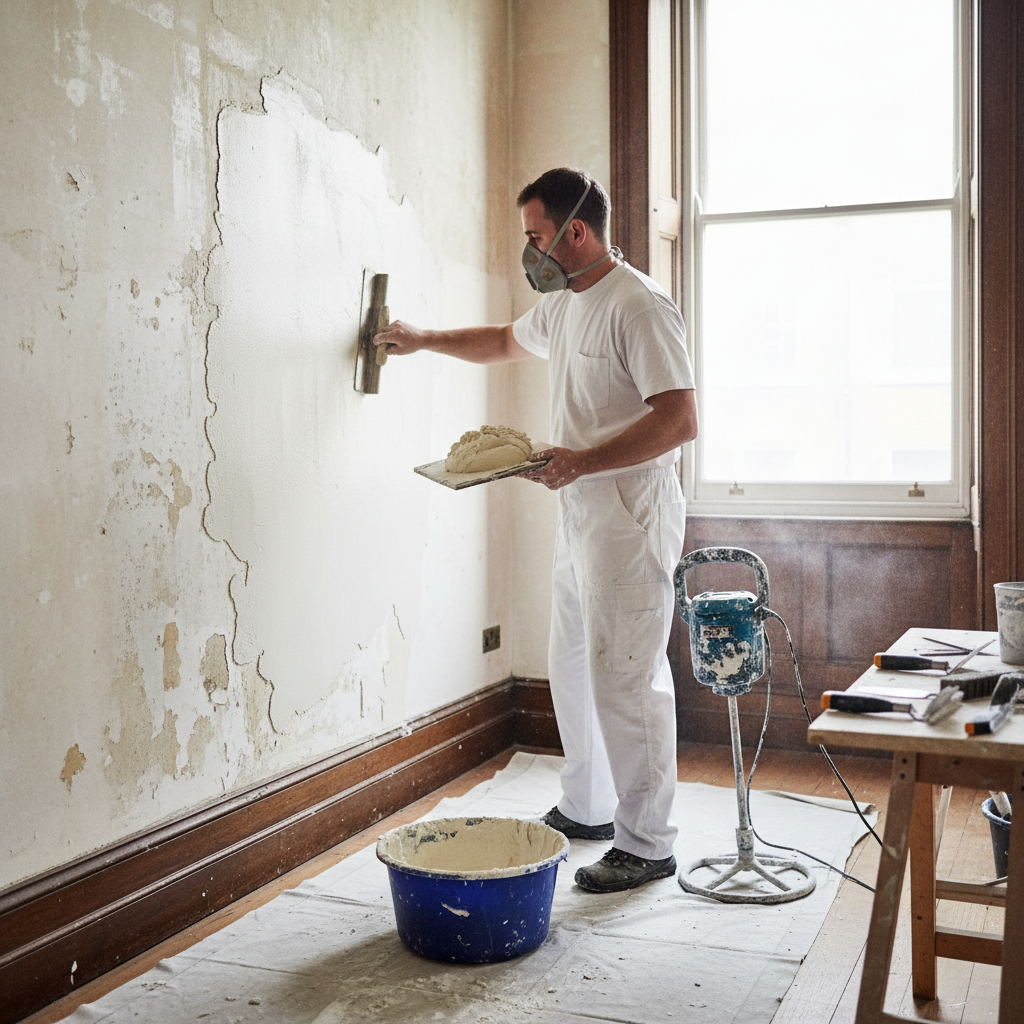
Can You Plaster Over Old Plaster? Here's What to Know
Can You Plaster Over Old Plaster? Here's What to Know
Imagine this: You’ve just moved into an older London home, and the walls are adorned with charming but somewhat cracked old plaster. As you plan your renovations, you wonder – is it possible to cover up that old plaster instead of removing it altogether? For many homeowners, this thought sparks a mix of hope and confusion. In this post, we’ll explore whether plastering over old plaster is a viable option, sharing practical tips, techniques, and answers to your questions.
Understanding the Condition of Old Plaster
Before diving into the specifics of plastering over existing plaster, it’s essential to assess the condition of your walls.
- Check for Cracks: Look for larger cracks or peeling areas which can indicate a deeper problem. Small hairline cracks are generally manageable, but extensive damage means you might need to consider repairs.
- Moisture Issues: Feel for damp spots. If the walls have been exposed to moisture and the plaster is crumbling, it’s best to address these issues first before applying new plaster.
- Paint Layers: If the old plaster is painted, the type of paint can affect adhesion. Glossy surfaces may require sanding for better grip.
These assessments help determine whether simply plastering over the existing layer will suffice or if you need to remove, repair, or treat the walls.
Can You Plaster Over Old Plaster? The Answer
Yes, you can plaster over old plaster without removing it, provided that the old layer is in good condition and properly prepared. Many London homeowners choose this approach as it is often quicker and more cost-effective. Here’s how you can successfully plaster over old plaster:
Step-by-Step Guide to Plastering Over Old Surfaces
-
Prepare the Area:
- Remove furniture and cover the floors with a drop cloth.
- Ensure good ventilation in the workspace, especially in older buildings.
-
Inspect and Repair:
- Use filler to patch any cracks or holes in the old plaster.
- For significant damage, consider hiring local professionals from PlasterersNearMe.
-
Clean the Surface:
- Dust and clean the walls thoroughly. A damp cloth can help eliminate excess dirt and dust that might interfere with adhesion.
-
Scuff the Surface:
- Lightly sand the old plaster surface to create a key for the new plaster to adhere effectively.
-
Apply a Bonding Agent:
- Use a bonding agent over the old plaster, especially if the surface is smooth, to enhance adhesion. Brands like PVA (polyvinyl acetate) work well.
-
Mix the Plaster:
- Follow the manufacturer’s instructions for mixing your plaster. For DIYers, a standard finish plaster can work well – typically costing around £20-£50 per bag.
-
Apply the New Plaster:
- Using a trowel, apply the plaster in thin layers to avoid sagging. Smooth it out as you go, applying multiple coats as necessary (usually 2-3).
-
Finish and Cure:
- Allow the plaster to dry and cure within the standard timeframe of 24-48 hours – depending on the products used.
Practical Tips for A Successful Plaster Job
- Choose the Right Time: Ideally, plan plastering during drier months when humidity is low, as it will help with the curing process.
- Use Proper Tools: Invest in good quality plastering tools; they make a difference in achieving a smooth finish.
- Expect a Mess: Plastering can be very messy. Preparation is key to minimizing post-job cleanup!
- Seek Professional Help if Unsure: If you're ever in doubt, it's best to consult with a professional - check out our About page for more about our experienced team.
FAQ
1. What happens if I plaster over damaged plaster?
It’s not advisable to plaster over significantly damaged plaster. Damaged areas can compromise the integrity of your new plaster, leading to issues like cracking or peeling.
2. How long will the new plaster last?
If applied correctly over a stable surface, new plaster can last several years, generally 10-15 years or more, depending on conditions and maintenance.
3. Can I use any type of plaster?
Not all plaster is created equal. Using the right type for your wall condition is crucial. For old plaster, a finish or skim coat is often best.
4. Is it cheaper to plaster over old plaster?
In many cases, yes! Costs can vary widely, but labor and removal would typically increase your renovation budget by £100-£500 or more, depending on the extent of work needed.
5. What if I want to paint over the new plaster?
Allow the new plaster to dry completely (1-2 weeks). After curing, you can paint with a primer followed by your choice of paint.
Conclusion
So, can you plaster over old plaster without removing it? The answer is a resounding yes, but with some important caveats. Proper preparation, assessment of the existing surface, and careful application will help ensure successful results. If you're based in London and looking for a reliable plastering service to take care of this process, look no further than London Plastering Service. Our experienced team can guide you through your plastering needs, ensuring a smooth, beautiful finish that lasts.
For more practical plastering insights, tips, and project inspiration, check out our Gallery and keep your renovation journey seamless!
Related Plastering Guides & Services
Need Professional Plastering?
Get expert plastering services in London. Free quotes within 60 minutes.