
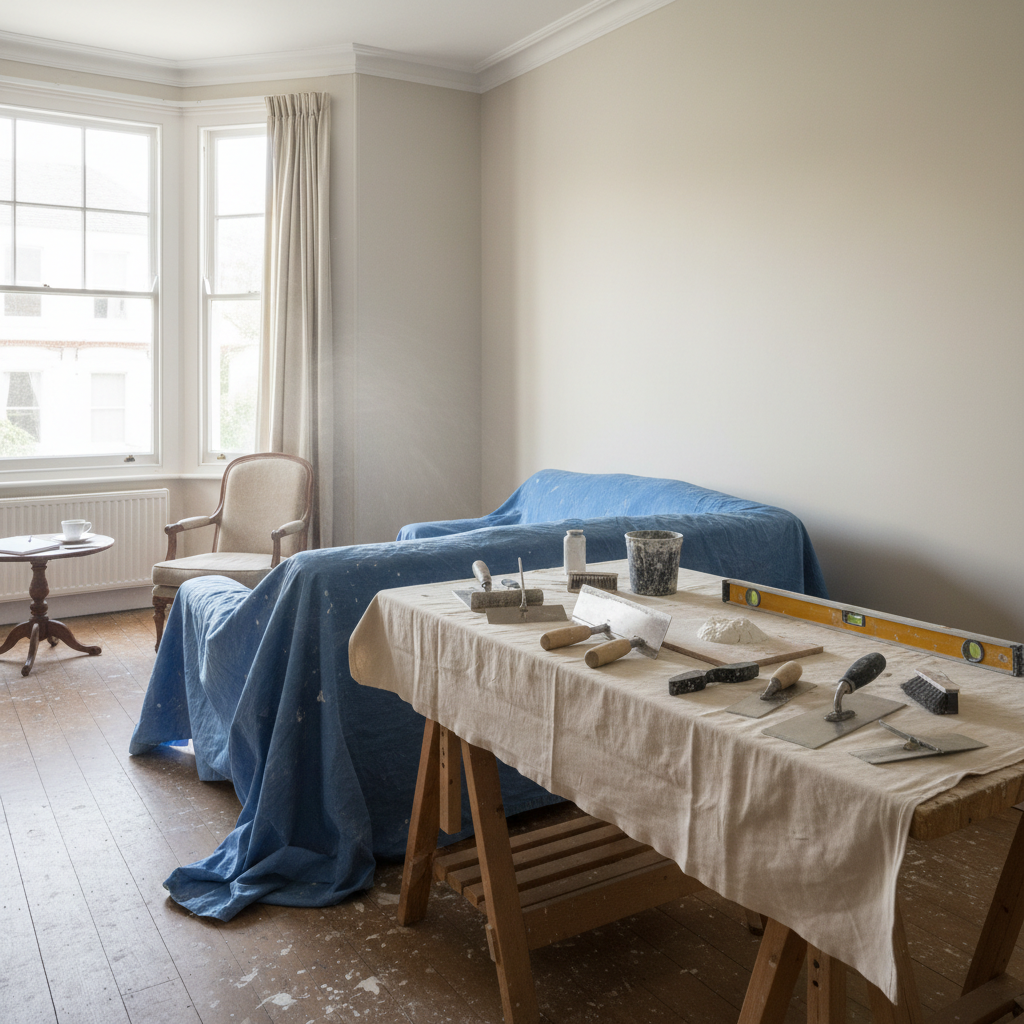
Can You Live in a House While It's Being Plastered?
Can You Live in a House While It Is Being Plastered?
Imagine you’re cozily nestled in your London home, sipping tea, when you decide it’s time for a makeover. You’ve planned out the perfect plastering to refresh your rooms, but then a thought strikes: can you continue living here while the walls are being transformed? It’s a valid concern, and you're not alone if you’re feeling a bit anxious about the idea. Plastering can be dusty work, noisy, and at times, inconvenient. But, here's the good news — with a little planning, you can indeed live in your home while it’s being plastered.
Understanding the Plastering Process
Plastering is essential for creating smooth, attractive surfaces on your walls. Whether you’re looking to cover up old imperfections or finish a new build, plastering can significantly enhance the aesthetic of your space.
Common Types of Plastering Services
- Skimming: Applying a thin layer of plaster to existing walls and ceilings to make them smooth.
- Rendering: Used primarily on external walls, this involves applying a coat of plaster for weather protection.
- Lath and Plaster: A traditional method still used in older homes, involving wooden laths with plaster applied over.
Before diving into whether you can live in your home during this process, let’s explore how long plastering takes and what to expect.
Duration of Plastering Work
- Small rooms (e.g., bedrooms): 1-2 days
- Medium rooms (e.g., kitchens): 2-3 days
- Large rooms or full houses: 1-2 weeks, depending on the extent
These timelines will vary based on your specific needs, the condition of your walls, and the size of the area being worked on. Consider consulting a trusted service like London Plastering Service for a detailed estimate.
Can You Live in Your Home During Plastering?
Yes, but it requires some preparation! Here are some pros and cons you should consider:
Pros:
- Convenience: Staying in your home means you don’t have to arrange temporary accommodation.
- Supervision: You’ll be able to monitor the work and communicate with the plasterer directly.
Cons:
- Disruption: Expect noise and dust, especially if multiple areas are being worked on.
- Limited Access: Depending on which areas are undergoing plastering, certain parts of your house might be off-limits.
Practical Tips for Living Through Plastering Work
If you decide to stay, here are some actionable tips to minimize stress:
1. Plan Around the Schedule
- Discuss the plastering timeline with your contractor.
- Schedule work for when you’ll be out of the house, if possible.
2. Prepare Your Space
- Move furniture and valuables away from the work area. Consider using covers for any items left in space to protect from dust.
3. Seal Off Areas
- Use plastic sheeting to seal doors and openings to other rooms.
- Creating isolated zones can help manage dust and noise levels.
4. Communicate with Your Plasterer
- Keep an open line of communication with your plasterer regarding timeline, schedule, and any concerns.
5. Expect Disruption
- Prepare for noise, and use earplugs or music to drown out unwanted sounds.
- Designate a quiet area in your home to retreat to when the work gets too overwhelming.
FAQ
## 1. How long does plaster take to dry before you can paint?
Plaster generally takes about 2-4 weeks to dry completely, depending on humidity and temperature. Always conduct a moisture test before painting.
## 2. Is plastering a messy job?
Yes, plastering is usually a dusty process. Minimal mess can be managed by sealing off work areas and using drop cloths. Professional plasterers often take care to minimize disruption.
## 3. Can I use the room after plastering?
While you can access the room, it’s advisable to limit occupancy until the plaster has dried completely. The room will also have residual dust, which should be cleaned thoroughly.
## 4. What is wall skimming, and when is it needed?
Wall skimming involves applying a thin layer of plaster over existing walls to create a smooth surface. It's often needed in renovations to cover old paint or rough patches. For professional wall skimming in London, check out WallSkimmingLondon.
## 5. Can you live in a house with wet plaster?
Yes, but be careful as wet plaster can be a hazard. Keep children and pets away, and avoid touching wet plaster as it can damage the finished surface.
Conclusion
Living in a house while it’s being plastered can be a juggling act, but with the right planning and preparation, it’s entirely feasible! By following the tips outlined above, you can smooth out the rough edges of your living situation. If you’re ready to transform your home and are looking for a reliable plastering service in London, contact London Plastering Service today to discuss your needs and get a free quote. Let’s bring your vision to life while making sure you feel comfortable in your own space.
Stay informed for more tips and insights by checking out our Blog for various plastering guides and articles!
Related Plastering Guides & Services
Need Professional Plastering?
Get expert plastering services in London. Free quotes within 60 minutes.