
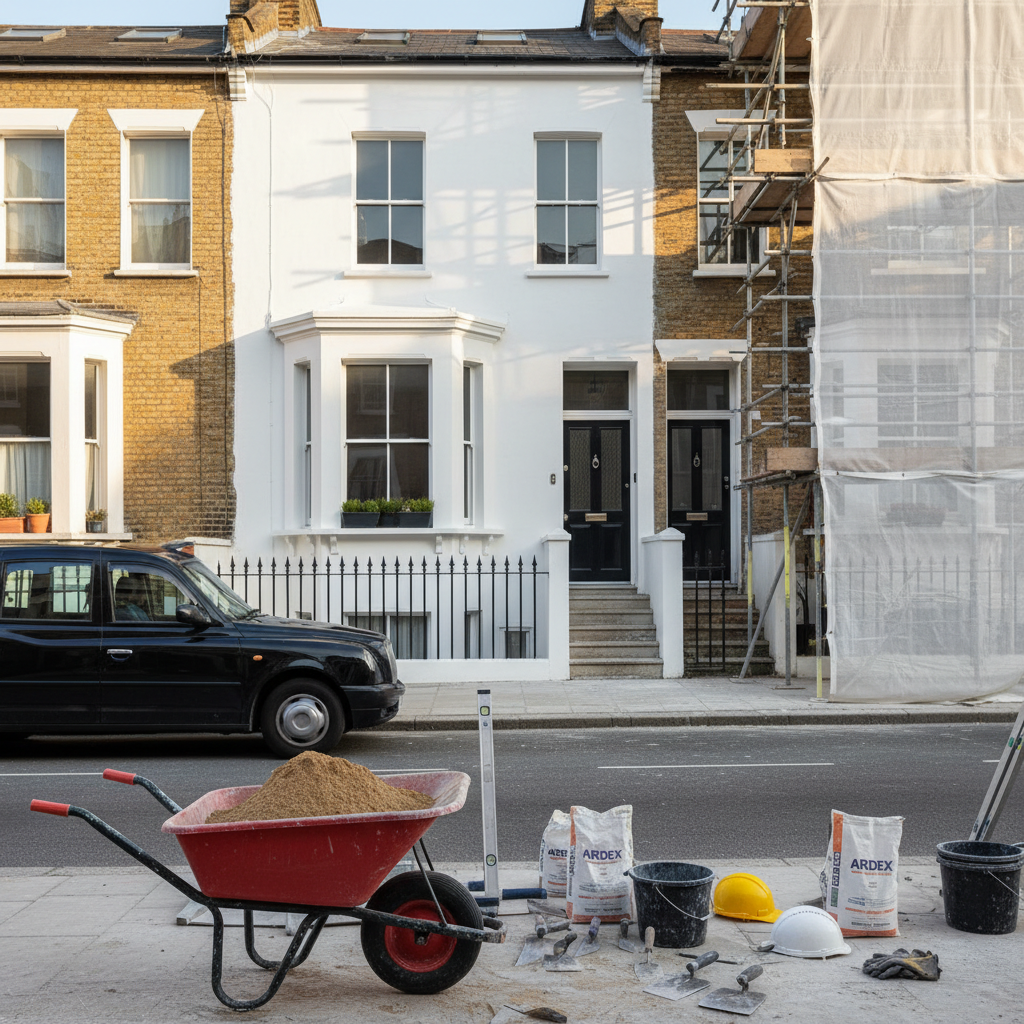
Budget-Friendly Plastering: The Cheapest Ways Explained
What is the Cheapest Way to Plaster Walls?
Imagine this: You’ve just moved into an adorable flat in Clapham, but the walls look tired and dated. You can almost hear the drab paint begging for a revamp. The idea of plastering seems daunting and expensive, but what if I told you that there are budget-friendly ways to achieve a gorgeous finish without breaking the bank?
In this guide, we’ll dive into the cheapest ways to plaster walls, ensuring your home shines in the vibrant heart of London, all while keeping your budget intact.
Understanding Plastering Basics
Plastering is an essential part of home improvement that not only enhances aesthetics but also adds value to your property. Whether you’re a first-time homeowner in Southwark or managing a rental in Hackney, knowing the cheapest plastering methods can significantly impact your budget.
What are the Different Types of Plastering?
- Skimming: This involves applying a thin layer of plaster over existing walls. It’s typically the most economical choice and perfect for refreshing old walls. Check out our Wall Skimming Services for more details.
- Bonding: For uneven or damaged surfaces, bonding agents are applied to provide a proper foundation for plaster. It can be cost-effective but requires additional preparation time.
- Rendering: This method is mostly used on external walls to protect the surface and enhance insulation. While rendering may be more expensive, it’s worthwhile for exterior renovations.
The Cheapest Way to Plaster Walls
To save money without sacrificing quality, consider the following strategies:
1. DIY Plastering
One of the most cost-effective ways to plaster your walls is to take matters into your own hands. Here’s a simple step-by-step process:
Step-by-Step DIY Plastering Guide:
- Gather Your Tools: You will need a trowel, hawk, sandpaper, a bucket, and plaster mix. Expect to spend around £50-£100 for basic tools if you don’t already own them.
- Prepare the Wall: Clean the wall of dust and debris. If you notice any cracks, fill them in with flexible filler.
- Mix the Plaster: Follow the instructions on the plaster mix for the best consistency.
- Apply a Base Coat: Start with a thin layer of plaster, using your trowel to apply in upward strokes.
- Smooth it Out: Use a float or a trowel to achieve a smooth finish.
- Let it Cure: Allowing the plaster to dry properly is crucial—typically around 24 hours.
- Sand & Paint: Once dry, lightly sand the surface and apply a primer before painting.
While DIY plastering can save hundreds of pounds compared to hiring a specialist, be prepared for a learning curve.
2. Hire Affordable Local Plasterers
Sometimes, getting a professional is the best way to ensure quality. While considering affordability, browse through platforms like Plasterers Near Me to find local contractors in your borough. Here are some tips to hire affordably:
- Get Quotes: Request quotes from at least three services to compare prices.
- Check Reviews: Ensure quality by reading reviews online.
- Seasonal Discounts: Look for seasonal promotions or discounts during the off-peak season (winter months).
You can typically expect professional plastering costs to range from £200-£600, depending on the size of the job and the complexity of the work.
3. Use Alternative Plastering Materials
- Self-Adhesive Plasterboard: A low-cost option is to use plasterboard with an adhesive layer. It’s lightweight, easy to handle, and saves on labor costs.
- Pre-mixed Plaster: Opt for pre-mixed plaster if you're working on a small area. It tends to be cheaper over the long run.
4. Look at Community Projects
Sometimes community projects offer opportunities for low-cost or even free plastering services. Check local community centers or non-profits that might be serving the community and often look for homeowners willing to contribute for practical experience.
Practical Tips for Economical Plastering
- Plan Ahead: Always plan your project. Measure wall sizes correctly to avoid buying excess materials.
- Buy in Bulk: If you’re doing multiple rooms, buying materials in bulk can lead to significant savings.
- Learn Techniques: Invest time in watching online tutorials to improve your plastering skills before diving in.
- Avoid Extras: Resist the temptation to overspend on high-end materials—basic plaster will suffice for most interior jobs.
FAQ
1. How much does it typically cost to plaster walls in London?
The cost varies depending on the complexity of the job and the area. On average, you can expect to pay between £200 and £600 for a standard room.
2. Can I paint over fresh plaster immediately?
No, it is advisable to let the plaster dry completely for about a week before applying paint to ensure it adheres properly without peeling.
3. What types of plaster are available for home use?
Common types include gypsum plaster, lime plaster, and cement plaster. Each has unique properties, so choose based on your specific needs.
4. Is hiring a professional worth the investment?
Yes, especially if the area to plaster is large or requires specific techniques. Hiring a professional can save you time and ensure quality results that last.
Conclusion
Getting the cheapest way to plaster walls doesn't mean compromising on quality. With these tips and insights, you can achieve a fresh look without draining your wallet. Whether you choose to take the DIY route or hire local professionals, the key lies in planning and exploring cost-effective options. Ready to tackle your plastering project? At London Plastering Service, our expert team is here to help transform your space affordably. Contact us today for a quote and let’s bring your walls back to life!
Explore our Gallery for inspiration and check out our Blog for more tips on home improvement!
Taking on a plastering project doesn’t need to feel overwhelming. With the right information and resources, you’re well on your way to beautifully plastered walls.
Related Plastering Guides & Services
Need Professional Plastering?
Get expert plastering services in London. Free quotes within 60 minutes.