
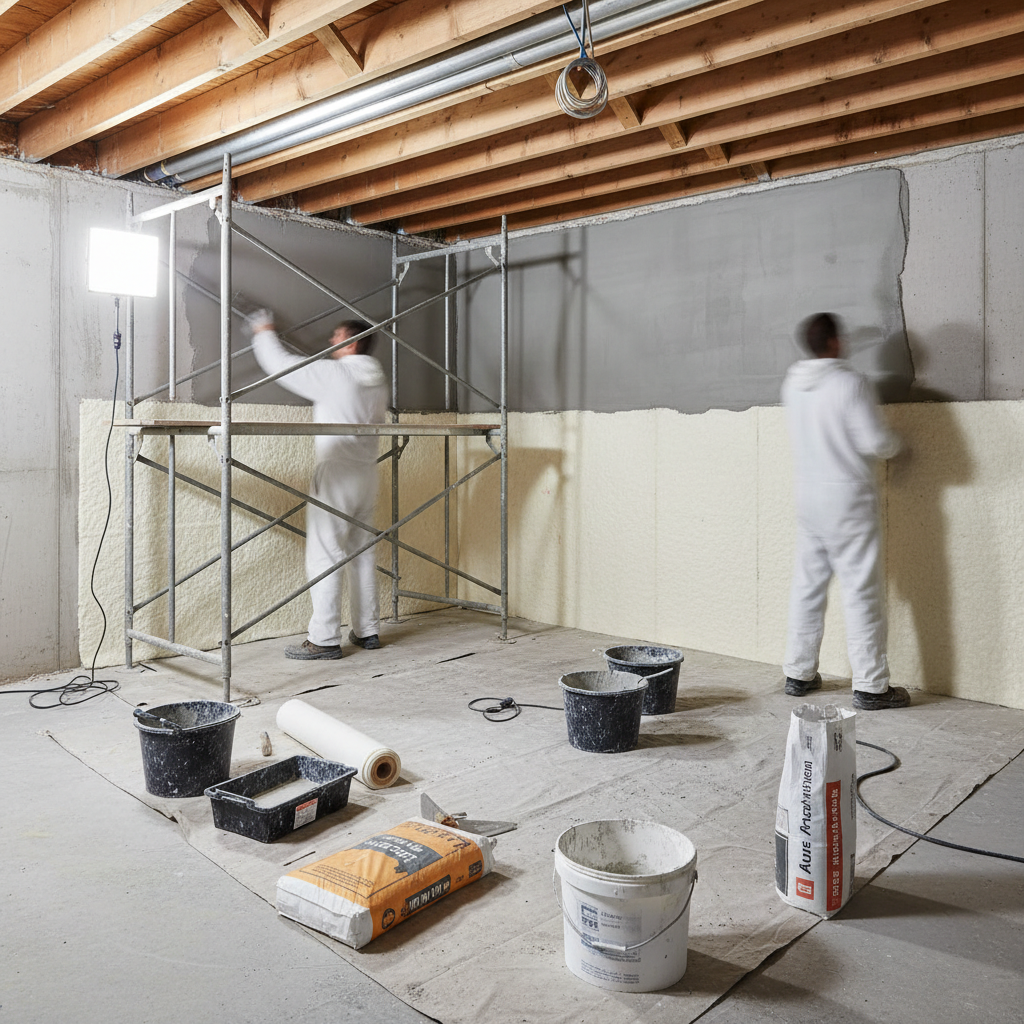
Basement Conversion Plastering and Damp Proofing Tips
Basement Conversion Plastering and Damp Proofing Guide
Introduction: The Hidden Potential of Your Basement
Imagine stepping into your basement, a space that has long been neglected and underutilized. Perhaps its dampness, dingy walls, or clutter made it feel more like a dark cave than a functional room. However, with the right plastering and damp proofing techniques, it could become the cozy home office, playroom for kids, or guest suite you've always dreamed of! In fact, did you know that properly converting your basement can add up to 20% to your home's value? That’s a game-changer, isn’t it?
If you’re ready to embark on this transformative journey in London, you’re in the right place. This detailed guide will walk you through the essential steps of basement conversion plastering and damp proofing to ensure a safe, dry, and stylish environment. Let’s dive in!
Understanding the Basics of Basement Conversion
What is Basement Conversion?
Basement conversion involves renovating your unused basement space to create a functional living area. This project often includes installing new walls, ceilings, flooring, and, crucially, ensuring that the space is adequately waterproofed.
Why Plastering and Damp Proofing are Essential
The lower levels of a house are prone to moisture issues due to their closeness to the ground. When converting your basement, it’s crucial to address these issues:
- Prevent structural damage: Continuous moisture can lead to mold and rot.
- Improve air quality: Damp environments foster unhealthy living conditions.
- Enhance aesthetic appeal: Fresh plaster creates a clean, modern look.
Key Steps of Basement Conversion Plastering
Step 1: Assess and Prepare the Space
Before you start, take the time to evaluate your basement:
- Check for damp: Look for signs of water ingress, mold, and cracking.
- Clear out clutter: A tidy space allows for easier access during renovations.
- Measure: Note the dimensions of the area you plan to convert.
Step 2: Choose the Right Damp Proofing Method
There are various methods for damp proofing:
- Tank System: A barrier that can be applied to walls to create a waterproof seal.
- Membrane System: Plastic membranes lined against walls to manage moisture.
- Injectable Damp Proof Course (DPC): A treatment that creates a barrier against rising damp.
Choose a method based on your specific needs and the level of dampness you encounter. Consulting with a professional plastering team, like London Plastering Service, can help make this decision.
Step 3: Apply a Suitable Base Layer
Depending on your damp proofing method, apply a base layer:
- Ensure the surface is clean and dry before application.
- Use a damp-proofing paint or skin to protect the plaster from moisture.
Step 4: Plastering Your Basement
Once the space is prepared and damp-proofed, you can start plastering. Here’s how:
- Gather Materials: Ensure you have all necessary tools (plaster, trowel, mixing bucket).
- Mix Your Plaster: Follow the manufacturer’s guidance on mixing.
- Apply in Sections: Start at the corners, applying plaster smoothly onto walls with a trowel.
- Smooth and Level: Use a plastering float to level the surface.
- Cure Properly: Allow the plaster to cure before painting or additional finishes.
For visual inspiration, check our Gallery showcasing completed extensions and conversions.
Practical Tips for a Successful Basement Conversion
- Ensure Good Drainage: Confirm that the exterior of your home has proper drainage to prevent water pooling near your foundation.
- Ventilation Matters: Install vents or consider an HRV (Heat Recovery Ventilation) system to maintain air quality.
- Use Quality Materials: Always choose materials designed for high moisture environments, such as breathable plasters.
- Consult Local Experts: Don’t hesitate to seek advice from local professionals. You can find qualified plasterers near you through our PlasterersNearMe service.
- Plan for Utilities: Don’t forget about electrical and plumbing when planning your layout.
FAQ
What is the average cost of basement plastering in London?
The cost of basement plastering can vary significantly based on size and complexity. On average, homeowners can expect to pay between £1,200 - £3,000 for a standard size basement.
Do I need planning permission for a basement conversion?
In most cases, a basement conversion requires planning permission, especially if you are altering the structure or increasing the size of the property. Consult your local council or an expert to be sure.
How long does a basement conversion usually take?
Depending on the scale of the project, a basement conversion can take anywhere from 6 weeks to several months. Factors include availability of materials, complexity of damp proofing, and the number of specialists involved.
Is it worth converting a basement?
Absolutely! A converted basement adds usable space and can significantly increase your property’s value. Moreover, it avoids the hassle of moving and gives you a tailored living solution.
What type of plaster should I use in a damp basement?
For damp environments, it's best to use moisture-resistant plaster, such as sand and cement plaster or a special anti-mold plaster, to prevent mold and degradation over time.
Conclusion: Start Your Transformation Today!
Transforming your basement into a beautiful and functional space is within reach! With the right plastering and damp proofing, you can ensure that your new area is not only appealing but also protected against the dampness that these subterranean spaces are known for.
Ready to transform your basement? Contact London Plastering Service today for a consultation! Together, let’s turn your basement into the space of your dreams, adding value and comfort to your home. Don't wait; the perfect basement is just a project away!
Related Plastering Guides & Services
Need Professional Plastering?
Get expert plastering services in London. Free quotes within 60 minutes.