
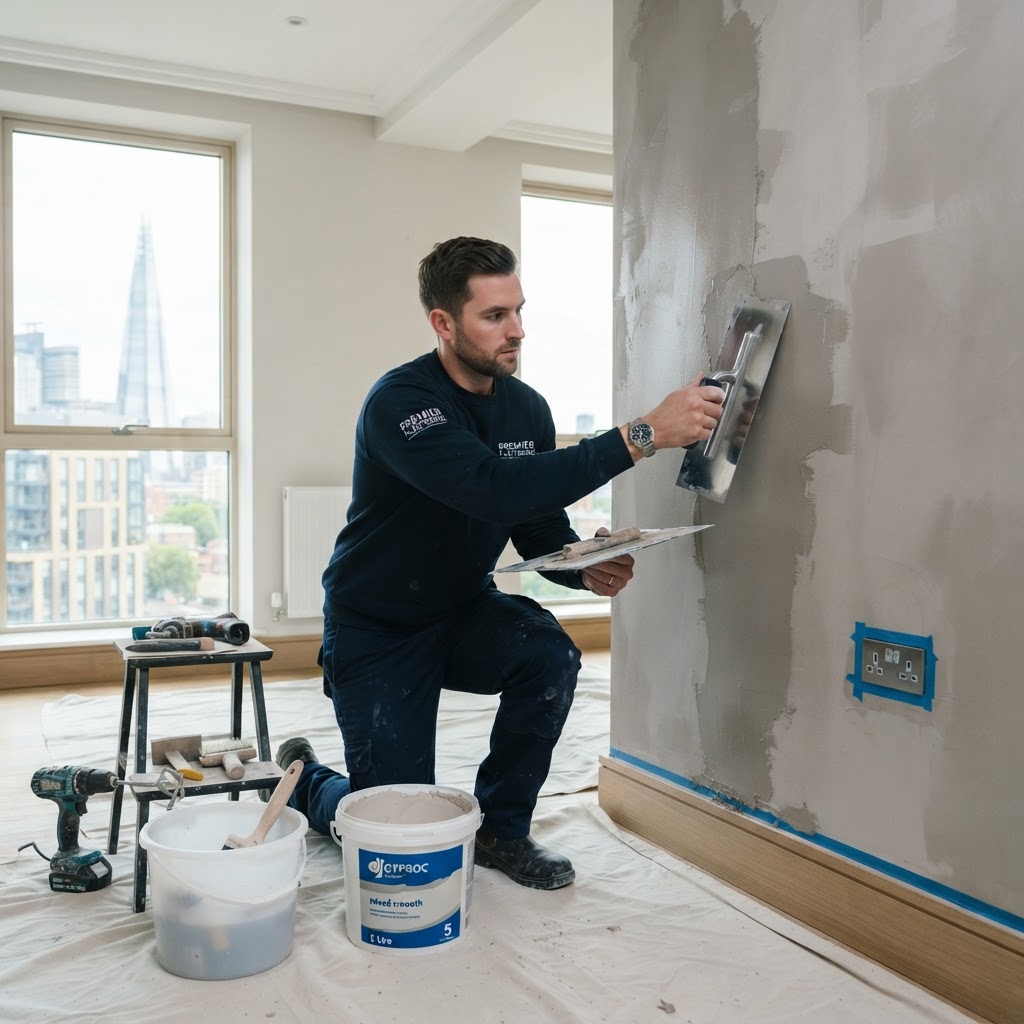
Avoiding Cowboy Plasterers in London: Expert Guide
Protecting Your Home from Cowboy Plasterers in London
Finding a reliable tradesperson in a bustling, high-cost city like London can feel overwhelming. When your home needs attention, whether it is Wall Skimming London in a Victorian terrace in Islington or major renovation work in a modern apartment in Docklands, you want the peace of mind that comes with hiring a professional. At London Plastering Service, we pride ourselves on being the trusted plasterer London residents rely on for quality, integrity, and precision. Unfortunately, the industry is not without 'cowboy' operators who cut corners, use substandard materials, and leave homeowners with significant bills to fix their mistakes.
Why London's Market Attracts Unqualified Workers
London's high demand for property improvements, fueled by the competitive housing market in boroughs like Kensington and Chelsea or Richmond, often creates a vacuum filled by untrained individuals. They often promise quick fixes at rock-bottom prices, which is the first sign of trouble. Many of these operators target areas with high rental turnover, such as E1 or SW9, knowing that landlords are often seeking the cheapest possible 'refresh' between tenancies. Understanding the market landscape is crucial before you commit to any quote.
Top 7 Red Flags to Watch For
- Unrealistic Prices: If a quote seems too good to be true, it almost certainly is. Professional firms providing Plastering Prices London are transparent about their costs. If someone undercuts legitimate businesses by 50%, they are likely skimping on materials, skipping necessary prep work like PVA bonding, or using apprentice-level labor on high-stakes walls.
- Lack of Digital Footprint: In 2026, every reputable business has a website and verified social proof. Avoid tradespeople who only operate via anonymous Facebook profiles, local Whatsapp groups, or hand-written flyers posted through your door in N1 or SE16. Legitimacy is built through consistent branding and verifiable history.
- Demanding Cash Upfront: While deposits for major jobs are normal to cover the cost of bulk materials like Thistle MultiFinish, a request for full payment in cash before work starts is a major red flag. Always use trackable payment methods.
- No Insurance Documents: Always ask for proof of Public Liability Insurance. A true professional will have this ready to show. Without it, you are personally liable for any property damage or injuries occurring on your site.
- Vague Quotations: Avoid anyone who refuses to provide a written estimate. Your Plastering Cost London breakdown should be clear, itemized, and include a VAT registration number if applicable.
- No Portfolio: If they cannot show you high-quality photos of previous work—or worse, use stock photos—steer clear. Ask to see photos of 'in-progress' work, which reveals true craftsmanship regarding how they protect floors and handle corners.
- Pressure Tactics: A professional will give you space to decide. Cowboy plasterers often pressure you to 'book today' for a 'special discount' that expires tonight. This is a psychological tactic to prevent you from getting a second opinion.
Understanding 2026 Pricing for Professional Work
Transparency is key to avoiding bad deals. For a standard room in a Zone 1-3 London home, you should expect the following benchmarks for high-quality professional work. These prices account for the high cost of living, transport, and waste disposal fees (skip hire/waste carrier licenses) which are significantly higher in areas like Westminster than in the suburbs.
- Small Wall Skim (up to 10sqm): £250 - £400
- Full Room Skimming (average 4x4m room): £500 - £850
- Ceiling Plaster Repair London: £300 - £600 depending on complexity, specifically if dealing with lath and plaster.
- Dry Lining London Installation: £800 - £1,500 per average room.
- Full House Replaster (3-Bed Semi): £4,500 - £7,500+ depending on the state of the existing substrate.
If you are quoted significantly below these figures for a Full House Replaster London project, you are likely looking at an unqualified worker who will likely need to be replaced, doubling your costs when you have to pay a professional to tear out the 'cowboy' work.
The Dangers of Poor Workmanship: Technical Deep Dive
Poorly applied plaster doesn't just look bad; it can lead to moisture trapping, cracks, and structural issues. Cowboy plasterers often skip the 'bonding agent' phase or fail to use stop beads on corner angles. In humid London environments, this leads to 'blown' plaster where the finish separates from the wall. We frequently see jobs where internal walls weren't sealed correctly, leading to mold growth within 6 months. If you have been left with a disastrous Artex Covering London job or botched skim, we offer Emergency Plaster Repair London to rectify the damage before it gets worse.
Frequently Asked Questions (FAQ)
Q: What should I include in a plastering contract?
A: Always ensure you have a written quote that specifies the scope of work, materials used (brands like British Gypsum are standard), timeline, and total price including VAT. Ensure there is a clause regarding site protection—like carpet coverage and dust management—and waste removal. Never assume the plasterer will take the rubble with them unless it is explicitly written on the quote.
Q: Should I pay for materials in advance?
A: Reputable companies typically cover the cost of materials. You should only be expected to pay for labor and materials upon completion or according to a pre-agreed milestone schedule (e.g., 50% for larger multi-room projects). If a contractor asks for 100% upfront to 'buy the plaster,' walk away.
Q: How can I verify a plasterer’s reputation?
A: Check for verified reviews on Google, check their website for actual project photos, and ask for references from recent local clients in boroughs like Camden, Wandsworth, or Greenwich. Look for names, dates, and specific project details in their reviews.
Q: Do I need a permit for internal plastering?
A: Generally, no. However, if you are working on a listed building, especially in conservation areas like Hampstead or Belgravia, you must check with your local council's conservation officer first. You may be restricted from using modern gypsum plasters and required to use traditional lime-based products.
Q: How do I know if the plasterer is using the right materials?
A: A professional will explain why they choose specific products. For example, a bathroom renovation in a humid area requires moisture-resistant plasterboards (green board), whereas a living room might use standard fire-rated board. If they suggest using cheap, generic plaster, this is a sign of corner-cutting that will affect the longevity of your walls.
Q: What is the risk of using non-insured plasterers in a London tenement or flat?
A: In shared buildings, property damage is a major liability. If a 'cowboy' accidentally triggers a leak or damages common area walls in a block of flats, you are legally responsible as the homeowner. Always demand an insurance certificate showing at least £1m-£2m in public liability coverage to protect your investment.
Conclusion: Secure Your Investment
Don't let a bad experience ruin your home renovation. By performing due diligence—checking insurance, avoiding cash-only tradespeople, and looking for a proven track record—you can ensure your home stays beautiful and structurally sound.
Ready to get your project done right? Contact London Plastering Service today for a professional, transparent consultation. Call us now or visit our contact page to request your accurate, no-obligation quote.
Related Plastering Guides & Services
Need Professional Plastering?
Get expert plastering services in London. Free quotes within 60 minutes.