
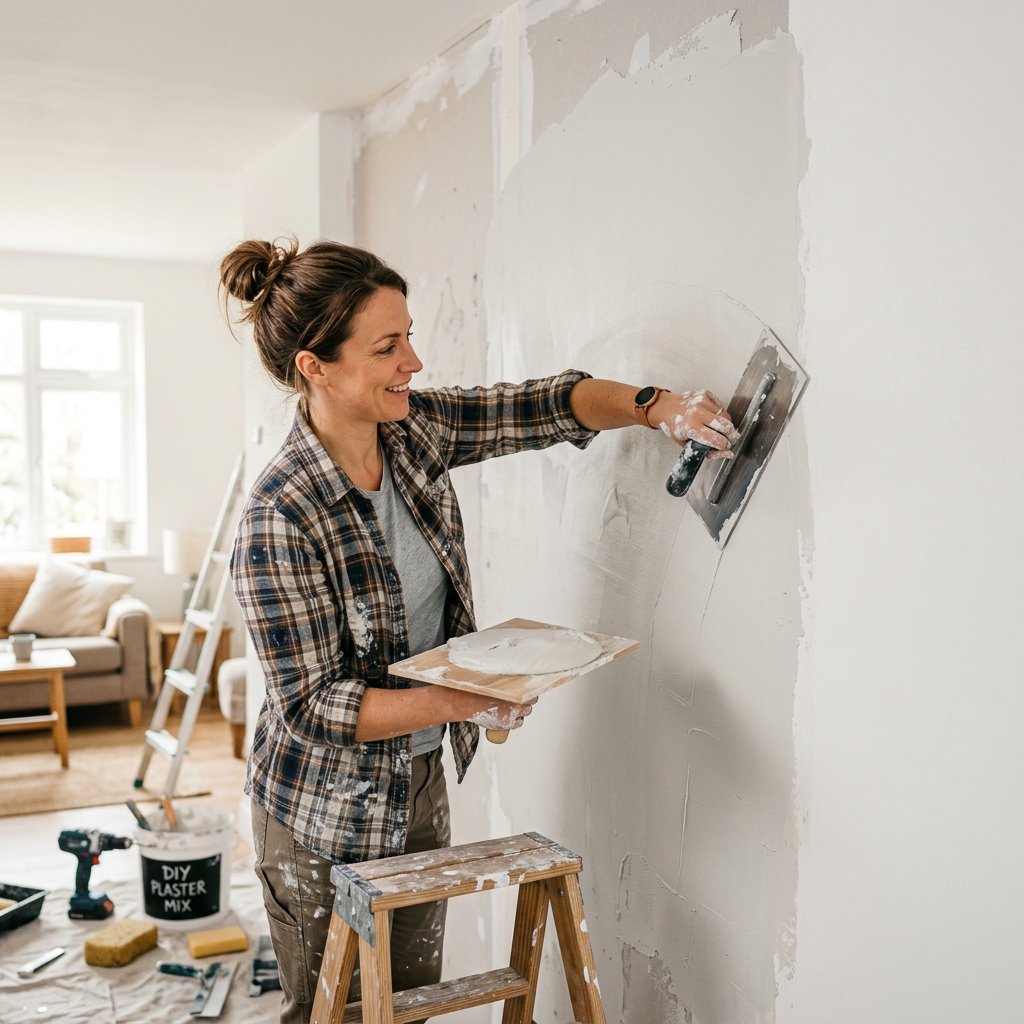
Affordable Tips for Plastering Your Walls Successfully
The Cheapest Way to Plaster Walls: Your Ultimate Guide
Have you ever walked into a room and felt completely out of place due to uneven walls, cracks, or peeling paint? Picture this: it’s a rainy afternoon in Clapham, and you decide that today is the day to tackle that unsightly wall in your living room. Little did you know, the journey to achieve that smooth, flawless finish could either break the bank or leave your wallet untouched. What if I told you that there are ways to plaster your walls that won’t leave you drowning in costs? Let’s dive into the surprisingly affordable ways to bring new life to your spaces without compromising quality.
Understanding Wall Plastering
Plastering is the art of covering walls and ceilings with a protective coating made of materials like lime, gypsum, or cement. Not only does this create a smooth surface ready for painting, but it also provides durability and insulation. But how can you do it affordably?
Exploring Your Options for Cheap Plastering
When considering the cheapest way to plaster walls, you typically have a few options:
- DIY Plastering: If you’re handy and have the time, tackling your plastering project yourself can save you a significant amount of money.
- Hiring Help: Affordable local plasterers can offer competitive pricing. Finding reputable professionals in your area like those at London Plastering Service
- Materials: Choosing budget-friendly plaster materials can make a large difference in the overall cost.
DIY Plastering: A Step-by-Step Guide
If you opt to plaster your walls yourself, here's a simple guide to follow:
Tools and Materials Needed:
- Plaster mix (around £10-£15 per bag)
- A trowel
- Mixing bucket
- Hawk (for holding plaster)
- Sandpaper
- Primer and paint (optional)
Steps:
- Prepare Your Walls: Remove old wallpaper and ensure there's no dust. Fill in large holes. A clean surface will help the plaster adhere better.
- Mix Your Plaster: Follow the instructions on the plaster mix bag. You want a smooth, lump-free consistency.
- Apply the First Coat: Start at the top of your wall and work your way down. Use a trowel to spread an even layer, aiming for about 3-5 mm thick.
- Let it Dry: Allow your first coat to dry completely, which can take between 24-48 hours.
- Sand and Finish: Once dry, sand down any imperfections before applying a second coat if needed. Finally, you can paint over the plaster.
By doing this yourself, you could save up to £300-£600 compared to hiring professionals.
Finding Local Plasterers in London
If DIY isn't your style, don’t fret! You can still find affordable plastering services. In areas like Westminster or Islington, local plasterers can offer their expertise at competitive rates. Consider using platforms to search for local plasterers in your area.
Tips for Affordable Professional Plastering
- Get multiple quotes: This helps ensure you’re getting a fair price. Expect quotes to range from £15-£35 per hour, depending on experience.
- Schedule during off-peak times: Plasterers can have quieter periods during the year, which may lead to lower prices.
- Request packages: If you're planning on multiple rooms, inquire about package deals.
Key Questions to Ask Your Plasterer:
- Are you insured?
- What materials do you recommend?
- How long will the job take?
This will ensure you find the right fit for your project without overspending.
Practical Tips for Cost-Efficient Plastering
- Use ready-mix plaster: Saves time and money on mixing materials. Expect to pay around £15-£25 per bucket, depending on brand.
- Layering: If your walls require more than one coat, check that each layer dries completely before adding another to avoid damage or cracking.
- Consider wall skimming: This technique is less expensive and can cover uneven surfaces effectively. Check out our wall skimming services for more.
FAQ
What is the average cost of plastering a room in London?
The average cost can be around £600 to £1,200 depending on the size and condition of the walls. Simple projects may cost less, while extensive repairs or larger rooms will be at the higher end.
How long does plaster need to dry?
Typically, plaster may take 24-48 hours to dry for the first coat, but this can vary depending on humidity and airflow in your home.
Can I paint directly over freshly plastered walls?
No, it’s essential to let the plaster cure for about a month before painting to ensure a proper bond.
Is DIY plastering really cheaper?
Yes, if done correctly, DIY plastering can significantly decrease labor costs. However, be cautious of the time and skill required for achieving professional results.
Do I need to prepare the walls before plastering?
Absolutely! Proper preparation ensures better adhesion and results. It involves cleaning, filling holes, and potentially priming the surface.
Conclusion: Start Your Plastering Journey Today
Achieving beautifully plastered walls doesn’t have to be costly. Whether you decide to roll up your sleeves and tackle the project yourself or seek out local plastering professionals, there are many available methods that won’t break the bank. Remember, if you want the job done swiftly and with excellent results, consider professional help from London Plastering Service.
Now that you have the tools and knowledge, why wait? Transform your space today and say goodbye to those aging walls. Explore more plastering tips and guides on our blog, and let’s make your home the envy of your neighbourhood!
Related Plastering Guides & Services
Need Professional Plastering?
Get expert plastering services in London. Free quotes within 60 minutes.