
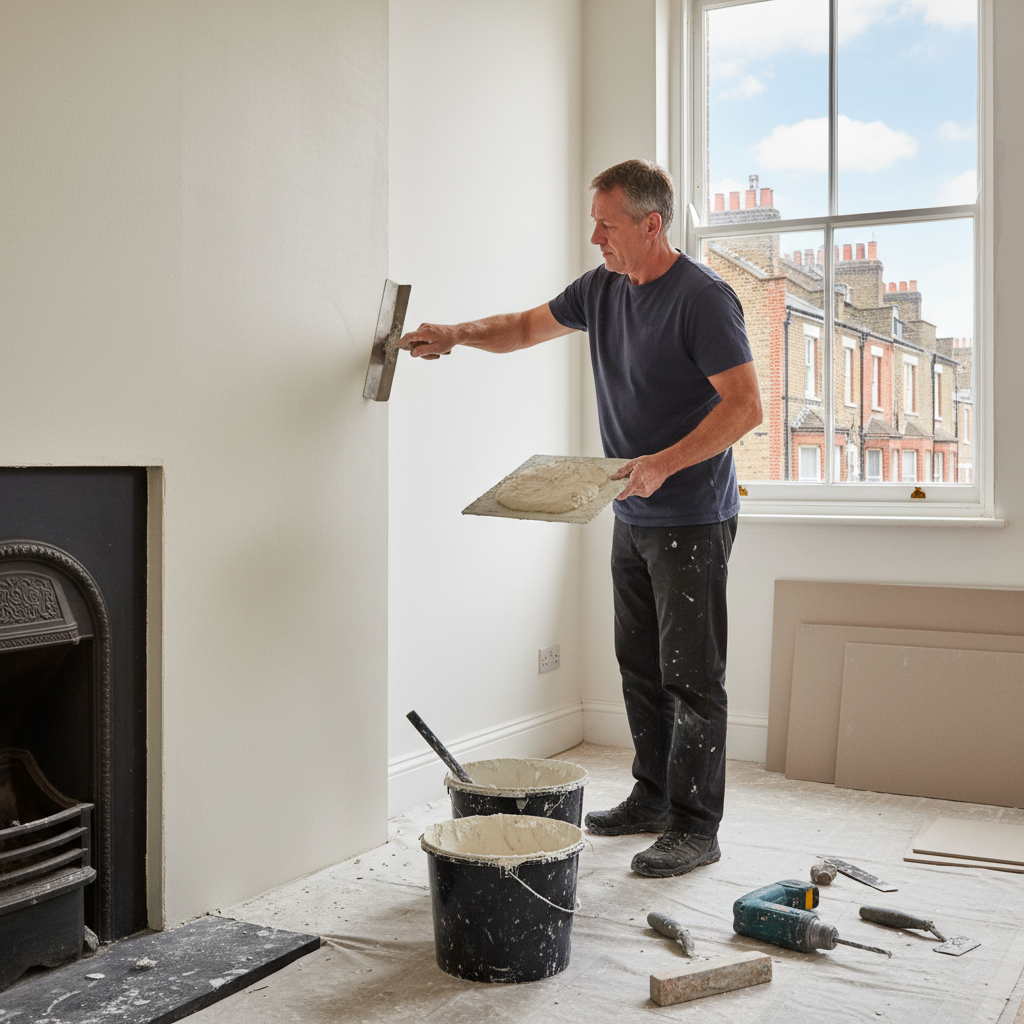
Affordable Plastering: The Cheapest Ways to Plaster Walls
What is the Cheapest Way to Plaster Walls?
Imagine standing in your newly purchased flat in Hackney, peeling paint hanging from the walls, and a texture that screams ‘70s disaster. You might think it would be easy – a simple coat of plaster can make your walls look brand new. But then you check the prices! Fear not, fellow Londoners! There are budget-friendly ways to achieve that pristine finish. Let’s dive into the world of plastering and find out how you can keep your wallet happy while transforming your space.
Understanding Plastering Basics
Before we get into the cheapest ways to plaster your walls, it’s important to understand what plastering is and why it matters. Plastering is the process of covering walls and ceilings with a smooth layer of plaster, which can serve both a protective and decorative purpose.
Types of Plastering
- Skim Coating: This is a thin layer of plaster that smooths existing walls. It’s often used to cover imperfections without requiring a full re-plaster.
- Traditional Plastering: This involves applying several layers of plaster mixed with lime or cement to create a robust surface.
- Dry-Lining: This method uses plasterboard to create a dry surface before plastering, often quicker and easier but usually more expensive.
Knowing the type of plastering helps you choose the most cost-effective approach for your needs.
Cheapest Ways to Plaster Walls
1. DIY Plastering
If you're handy and willing, consider doing it yourself. Here’s how:
- Materials: Purchase plaster mix, a trowel, and a hawk. A standard bag of plaster (25kg) costs around £6-£10.
- Preparation: Remove old paint or paper, and clean the area thoroughly.
- Mixing Plaster: Follow the instructions on the package, aiming for a smooth consistency.
- Application:
- Start from the corner and work your way across the wall.
- Apply a thin layer (about 2mm) using your trowel; let it dry before applying a second coat if necessary.
2. Choosing Cost-Effective Materials
Using affordable yet effective materials can save you money. Here are some tips:
- Opt for Gypsum Plaster: This is cheaper and easier to apply. Prices start around £5 per bag.
- Buy in Bulk: If you’re doing multiple rooms, consider buying larger quantities.
- Use Ready-Mix Plaster: Although it’s pricier per bag, it saves time and mess with preparation.
3. Hiring Local Plasterers
Sometimes, going DIY can backfire. Hiring local professionals can be cost-effective when you consider the risks of doing it wrong:
- Get Multiple Quotes: Compare quotes from local plasterers in your borough. Prices can vary significantly, so aim to find competitive rates around £20-£40 per square metre.
- Check Reviews and Portfolios: When searching for local plasterers in your area, always check their reviews and previous work.
- Consider Sourcing from London Plastering Service: They often have special offers, especially for multiple rooms.
4. Timing for Off-Peak Rates
Don’t underestimate the power of timing. Hiring plasterers during off-peak seasons can greatly reduce costs:
- The winter months (especially January-February) tend to be quieter, and you can negotiate lower rates.
Practical Tips for Cost-Effective Plastering
To keep costs down, consider these actionable tips:
- Preparation is Key: The more work you do before plastering, the less expensive the job will be.
- Keep it Simple: Avoid intricate designs. A simple finish saves time and materials.
- Use the Right Tools: Investing in good quality tools can make a world of difference in your plastering process.
FAQ
What is the cost of hiring a professional plasterer in London?
The average rates for professional plasterers in London can range from £20 to £40 per square meter depending on the complexity of the job and your specific location, such as Camden or Kensington.
Can I plaster over old paint?
Yes, you can plaster over old paint, but only if the surface is stable. Make sure to scrape off any loose paint and clean the area. If the paint is glossy, you might need to sand it down for better adhesion.
How long does plastering take?
For standard wall skim, expect it to take about 1-2 days depending on the size of your room and humidity levels. Always allow plaster to dry completely before painting (typically 1-2 weeks).
Are there any DIY plastering courses in London?
Yes, many local community centers and colleges offer plastering courses. They can provide you with hands-on training to build your skills further. Check places like City Lit or nearby technical institutes.
What are the signs I need to replaster?
If you notice cracks, damp patches, or peeling paint on your walls, it may be time to consider replastering. Regular maintenance ensures that your walls remain in good condition.
Conclusion
Plastering doesn’t have to break the bank, particularly in a bustling city like London. With a little effort, some strategic planning, and possibly hiring professionals from a trusted company like London Plastering Service, you can achieve stunning results for your walls without draining your finances.
Ready to get started? Contact us for a quote today and see how we can help you with your plastering needs in London! Don’t forget to check our Gallery to inspire your project.
Related Plastering Guides & Services
Need Professional Plastering?
Get expert plastering services in London. Free quotes within 60 minutes.